







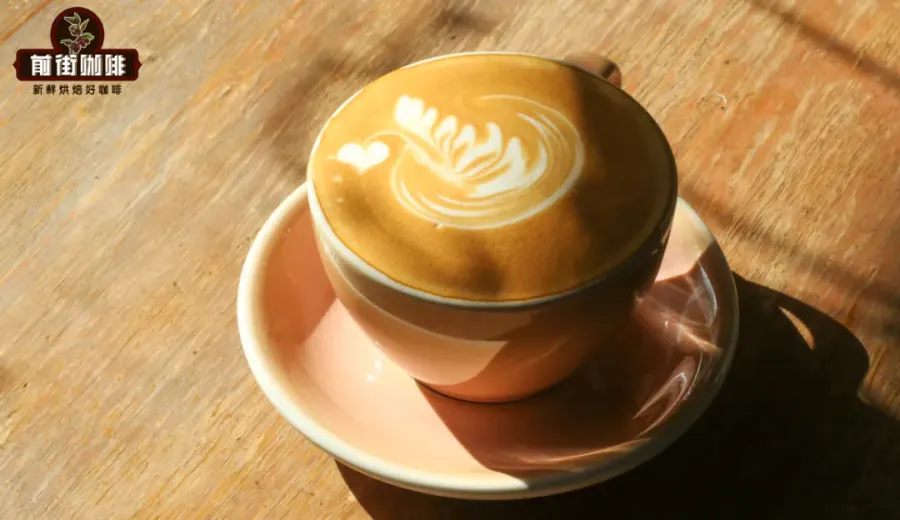
Introduction:Who says only lattes can be latte art? With special techniques, even Americano can display exquisite patterns in the cup. This article delves into the science behind Americano latte art, teaching you how to create unique visual effects using the coffee’s own crema and foam, and demonstrates the process with a classic blend bean. Along with step-by-step photo instructions, it includes key parameters such as room temperature and cold water ratios, frothing temperatures, as well as an analysis of flavor and texture differences between latte art Americanos and regular hot Americanos—taking you on a journey to explore new possibilities in coffee presentation.
When it comes to coffee latte art, most people immediately think of milk-based drinks like lattes or cappuccinos. But did you know that even Americano can be used to create delicate designs? This article will start with the basic principles of latte art and gradually explain how to achieve stunning visual effects using just coffee liquid, with a hands-on demonstration to let you experience this technique firsthand.
The so-called “latte art,” officially known as Latte Art, is, as the name suggests, the art of drawing various patterns and shapes on the surface of espresso using milk. The principle lies in the fact that the abundant proteins in milk can envelop the air being incorporated, forming bubbles with lower density. These bubbles float on top of the coffee crema and, through the movement of the pitcher, naturally form beautiful patterns. Therefore, stable and fine milk foam, along with rich coffee crema, are two essential elements for successful latte art.
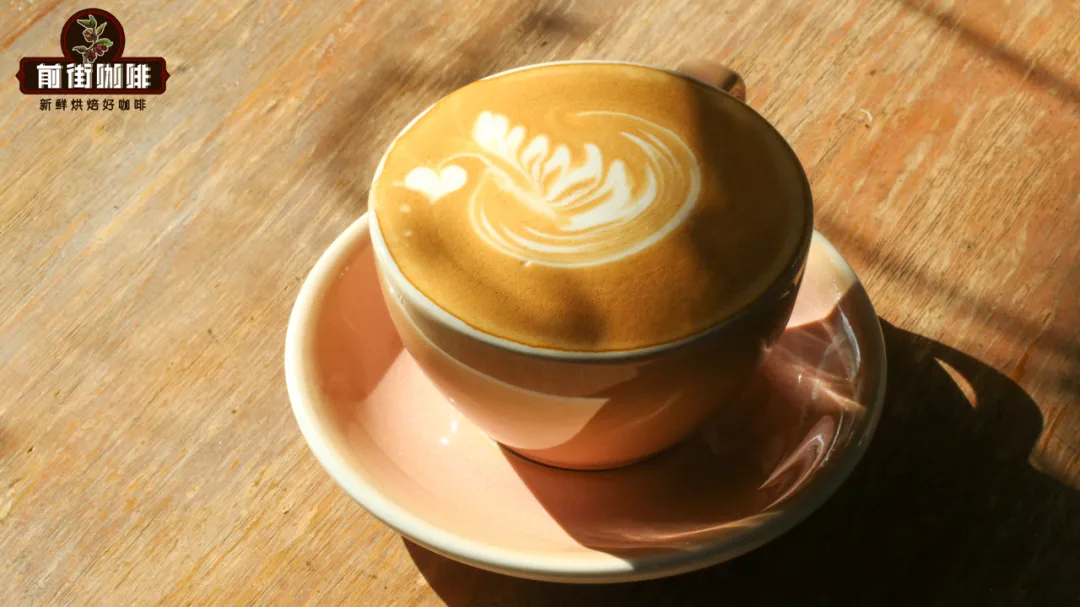
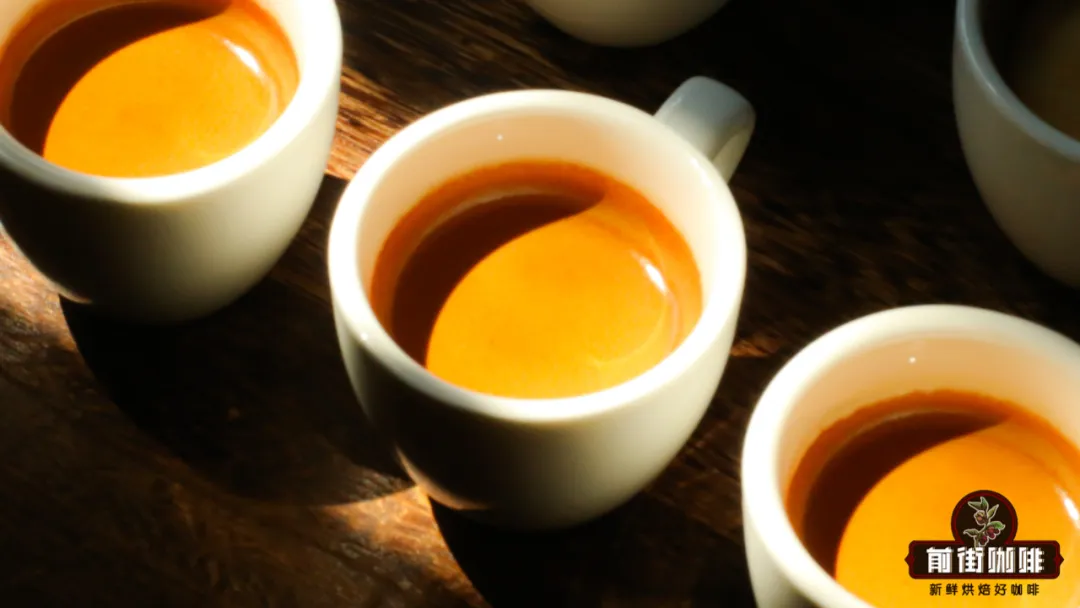
However, if we slightly adapt this principle, we don’t necessarily have to use milk. Coffee itself naturally produces a layer of golden coffee crema during extraction, which consists of tiny bubbles formed by carbon dioxide, lipids, and proteins. By appropriately increasing the total volume of coffee liquid and controlling the temperature, coffee can also generate enough foam for latte art.
This is the core concept of “Americano latte art.” Although Americano is made only of espresso and hot water, without any additional milk, we can use the technique of dilution with ice water to adjust the overall liquid volume on one hand, and lower the temperature on the other, creating an environment suitable for foaming. Then, by using movements similar to those for frothing milk, we can produce fine and dense foam from the coffee liquid to draw patterns.
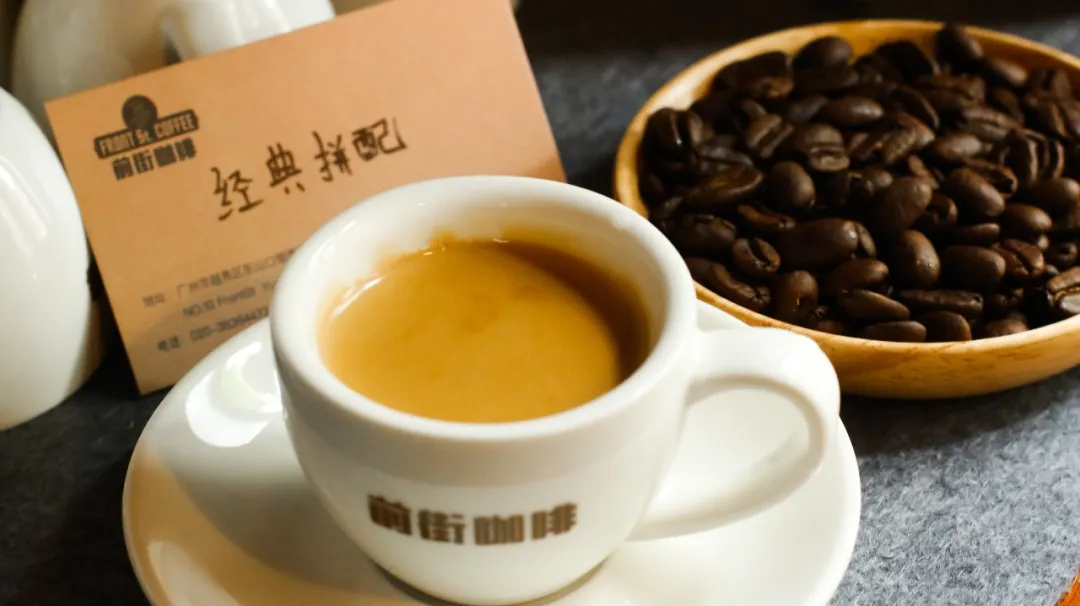
For this practical session, we selected a classic blend bean, characterized by rich crema and balanced aroma, making it very suitable for practicing coffee latte art. The specific extraction parameters are set as follows: 20 grams of coffee grounds, a coffee-to-water ratio of 1:2, and an extraction time controlled at around 30 seconds to ensure a concentrated shot with sufficient crema.
To obtain both the base coffee and the coffee liquid for frothing, we can use a split-flow extraction method, which means diverting the coffee liquid into two cups during the extraction process. The specific operation is to attach the portafilter to the machine after tamping the coffee grounds, and place one cup under each of the two spouts, thus obtaining two equal portions of espresso in one go. This method is more precise than post-extraction separation and also avoids uneven division affecting the subsequent frothing effect.
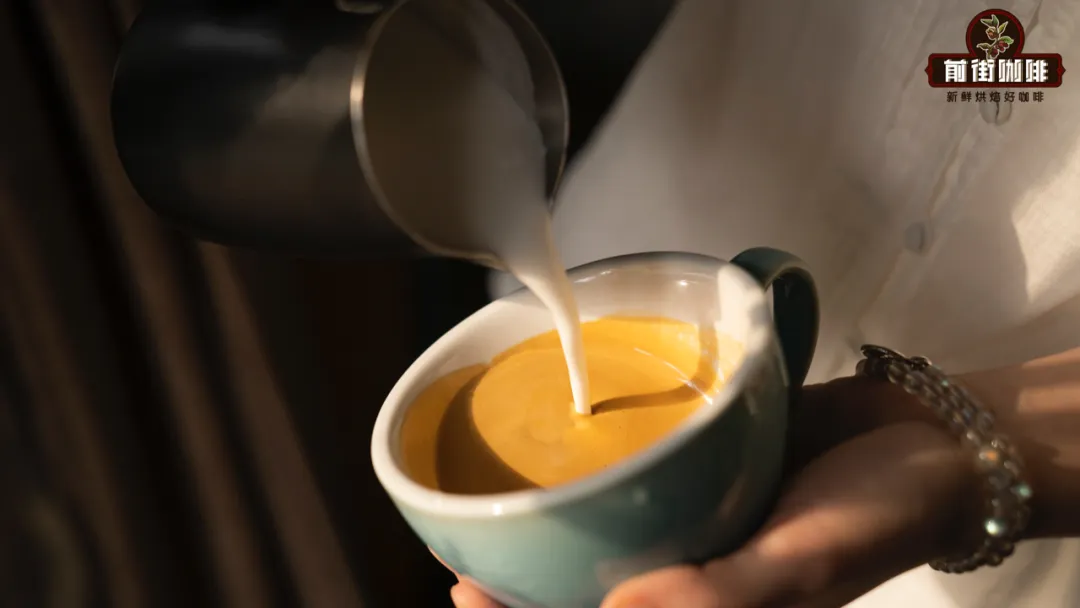
After obtaining the two shots of espresso, one will serve as the base for the final drink, while the other is combined with 80 grams of ice cubes and 80 milliliters of room temperature water, then placed in a frothing pitcher for frothing. The addition of ice water not only supplements the liquid volume but also extends the stability time of the foam through the low temperature, resulting in finer and longer-lasting coffee foam. During the frothing process, similar to frothing milk, it is necessary to generate enough bubbles in the coffee liquid using appropriate airflow. It is recommended to stir until the foam is fine and has good fluidity, and control the final temperature to around 65°C. This temperature is not only pleasant to the palate but also helps maintain a good foam structure.
Once the coffee foam is ready, the following steps are almost identical to the regular latte art process. Simply pour the frothed coffee foam slowly into the base espresso, and by gently shaking your wrist and moving the pitcher, you can create beautiful patterns on the liquid surface. This process not only tests your skill but also brings a lot of creative fun.
For comparison, we also brewed a traditional hot Americano as a control: using the same 40 milliliters of espresso, paired with 160 milliliters of 65°C hot water. In terms of flavor, both showcase the classic profile of the blend bean, including notes of chocolate, nuts, and a hint of buttery cookie aroma. The main difference lies in mouthfeel and concentration.
The latte art Americano, with its surface covered by a layer of fine foam, offers a richer and creamier texture upon drinking, whereas the regular Americano is relatively smoother but lacks this textural variation. Additionally, since the foam occupies a certain amount of space in the cup, the actual proportion of coffee liquid in the latte art Americano is higher, resulting in a more concentrated flavor that is more vividly expressed. However, there is no significant difference in the overall flavor profile between the two, demonstrating that this technique not only provides visual appeal but also maintains drink quality.
In summary, although Americano latte art is not as common as milk-based latte art, by mastering the characteristics of coffee itself and the proper frothing techniques, it is still possible to present refined patterns on black coffee. This method not only adds fun to everyday coffee beverages but also serves as an alternative way for baristas or enthusiasts to practice frothing and latte art skills. It is recommended that beginners adjust the ice water ratio and frothing time appropriately to find the balance that best suits their taste and skill level.
Whether you’re a coffee novice or a seasoned enthusiast, why not give it a try and personally experience the surprise of creating latte art without milk? As long as you pay attention to liquid volume control and temperature management, you too can serve a beautifully presented and flavorful specialty Americano—whether at home or in a café.
The above content is compiled by CoffeeHunters, a coffee news website.


