







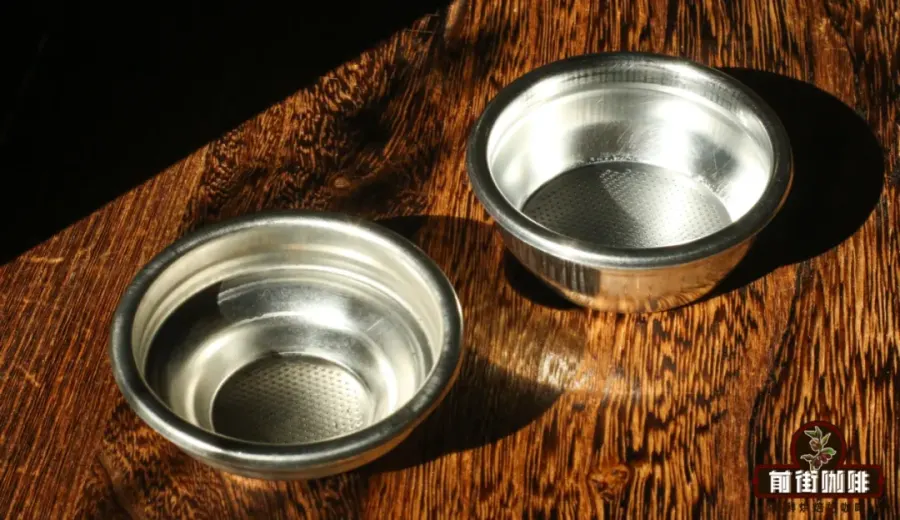
Introduction:In specialty coffee shops, have you ever wondered why most shops prefer to use double baskets, extract with a full dose, and then discard half, rather than switching to single baskets? The reason actually lies in extraction stability, flavor consistency, and operational convenience. This article dives deep into the design principles of single and double baskets, analyzes real-world extraction performance, and explores why double baskets have become the mainstream choice—helping you gain practical knowledge for choosing the right basket.
Walking into a coffee shop, you might never have paid special attention to the baskets in the baristas’ hands, but they actually have a huge impact on the flavor of the espresso in your cup. A single basket typically holds 9–11 grams of coffee grounds, suitable for extracting a single shot; whereas a double basket can accommodate 18–22 grams, usually used to make a double shot, with an output of about 36–40 milliliters. However, you might be surprised to find that even when a customer orders just one drink, many shops still prefer to use a double basket—even discarding the excess—rather than switching to a single basket. What’s the reason behind the dominance of double baskets? Through experiments and data, we take you through an in-depth comparison of the two.
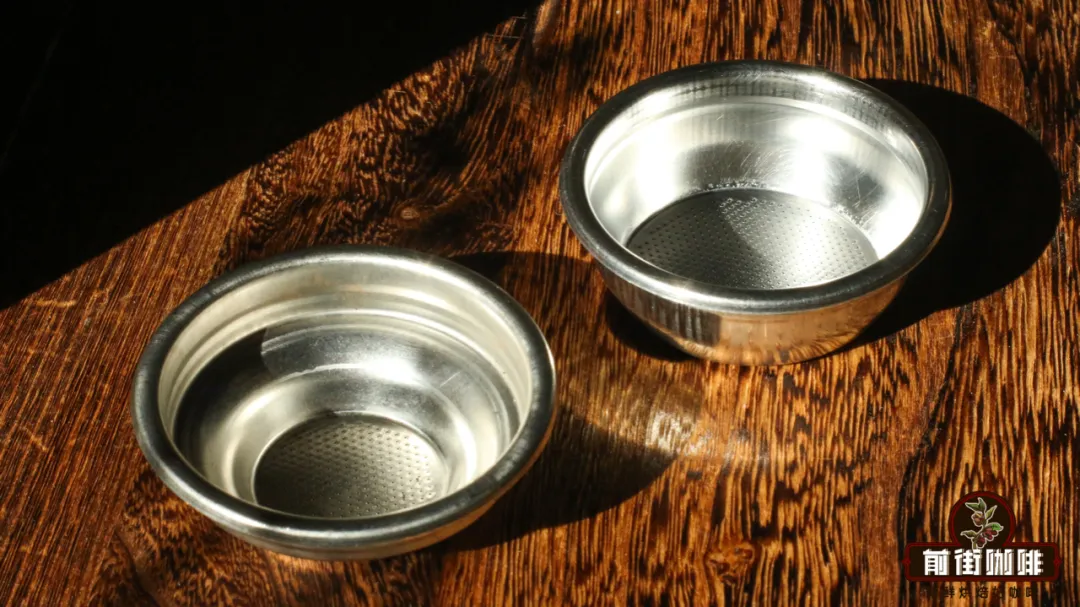
A standard single basket is designed primarily to extract about 9–11 grams of coffee, aiming to produce a refined and concentrated single shot. The double basket, on the other hand, is tailored for 18–22 grams of coffee, typically yielding about 36–40 milliliters of liquid—the common output of a “double shot.” If a customer wants a stronger coffee, they often ask for an “extra shot,” meaning an additional single shot is added. However, many shops facing a single order don’t actually switch to a single basket; instead, they extract with a double basket and either split the dose or discard half. This practice is actually rooted in considerations of technique and stability.
You might wonder, why not just use a single basket for a single shot? The issue is that the extraction performance of a single basket often fails to meet the modern coffee shop’s standards for flavor, strength, and consistency. From multiple comparative tests conducted in a lab, it was found that single baskets significantly underperform double baskets in terms of extraction consistency and stability—this is the main reason the industry generally opts for the latter.
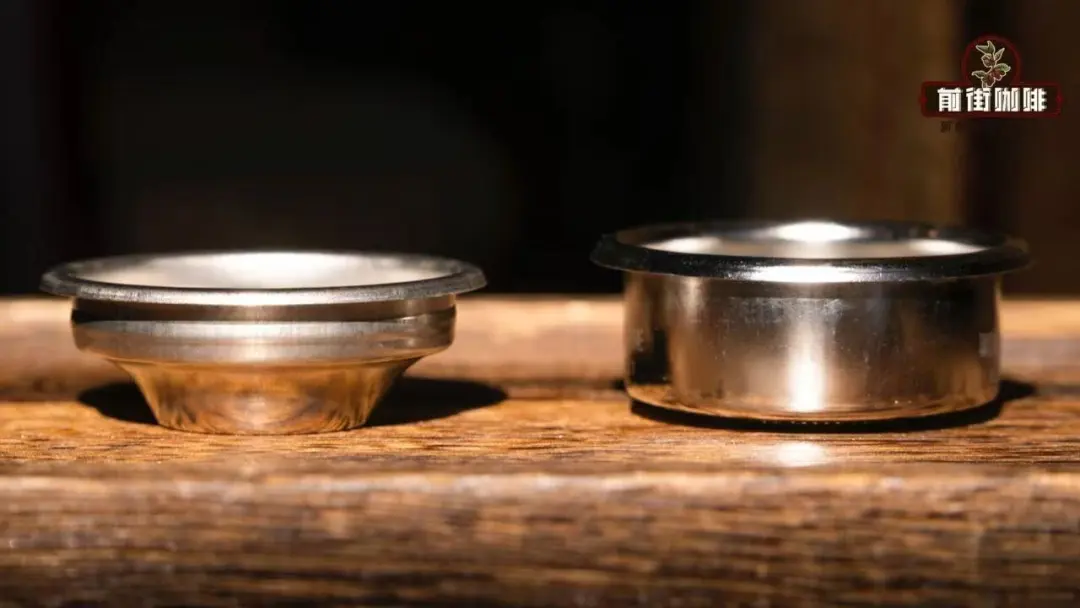
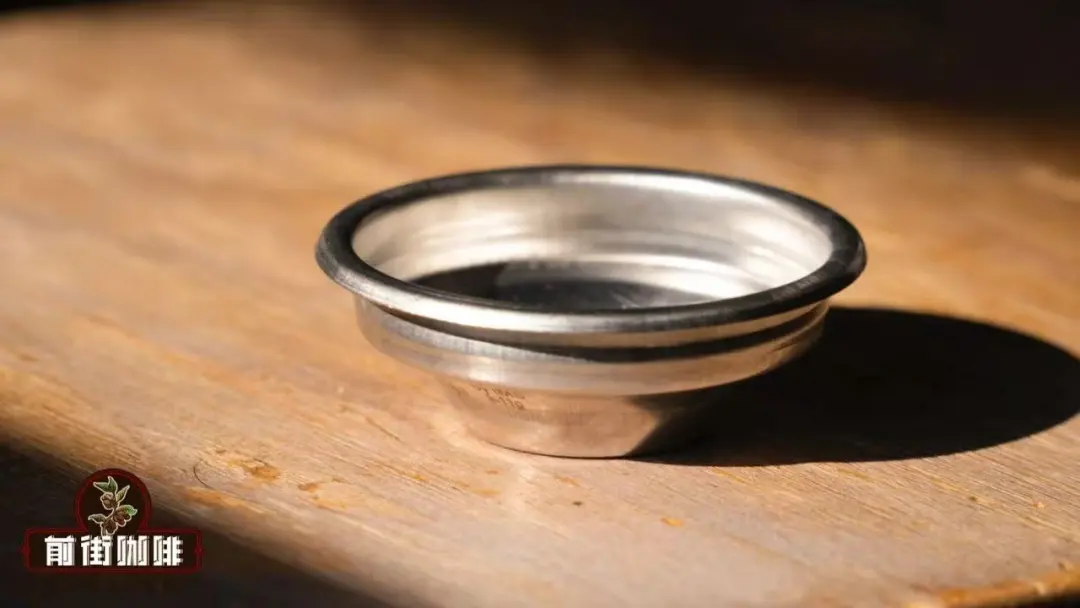
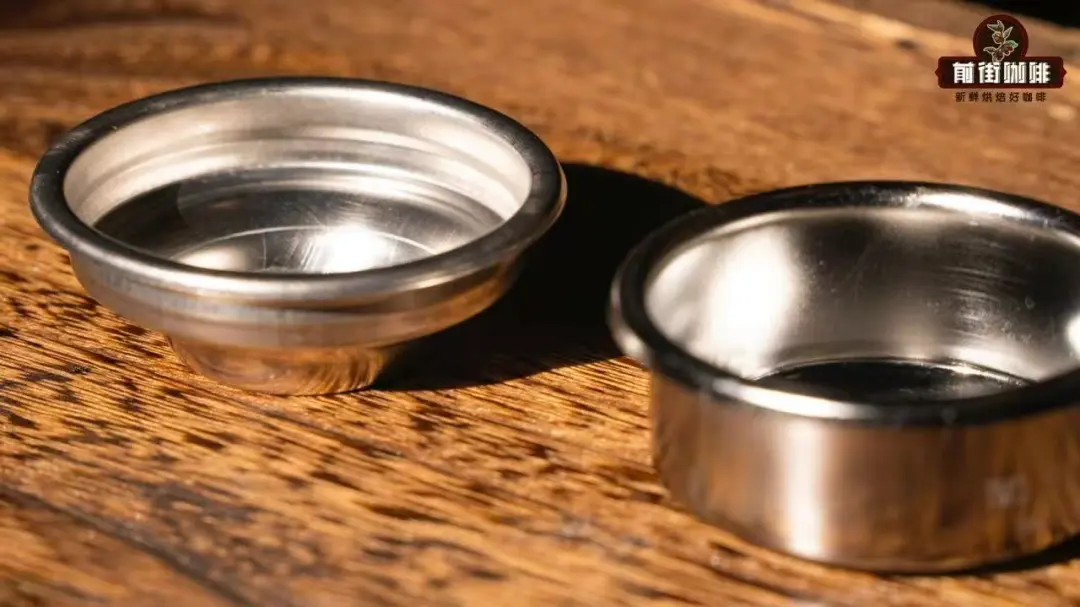
So, what exactly are the differences in design between single and double baskets? The most obvious difference lies in their structural shape. Double baskets are usually straight, cylindrical designs with consistent top and bottom diameters. This structure results in a flat coffee bed, even distribution of tamping pressure, uniform penetration of hot water during extraction, and ultimately a more intact and solid puck. In contrast, single baskets have an inverted cone shape, divided into upper and lower sections: the upper part has a wider diameter, while the lower part gradually narrows. This design isn’t for aesthetics, but serves a practical purpose.

The reason single baskets adopt an inverted cone shape is that their original design intent was to extract a relatively rich and balanced coffee liquid using less coffee (about half the amount of a double basket). With a smaller coffee dose, using the same straight-walled structure as a double basket would result in an overly thin coffee layer, allowing water to pass through too quickly and causing under-extraction. Therefore, designers reduced the bottom diameter to increase the coffee bed thickness, enabling better contact between water and coffee grounds to improve extraction efficiency. Additionally, the larger upper diameter is designed to match the coffee machine’s group head, ensuring the basket sits securely.
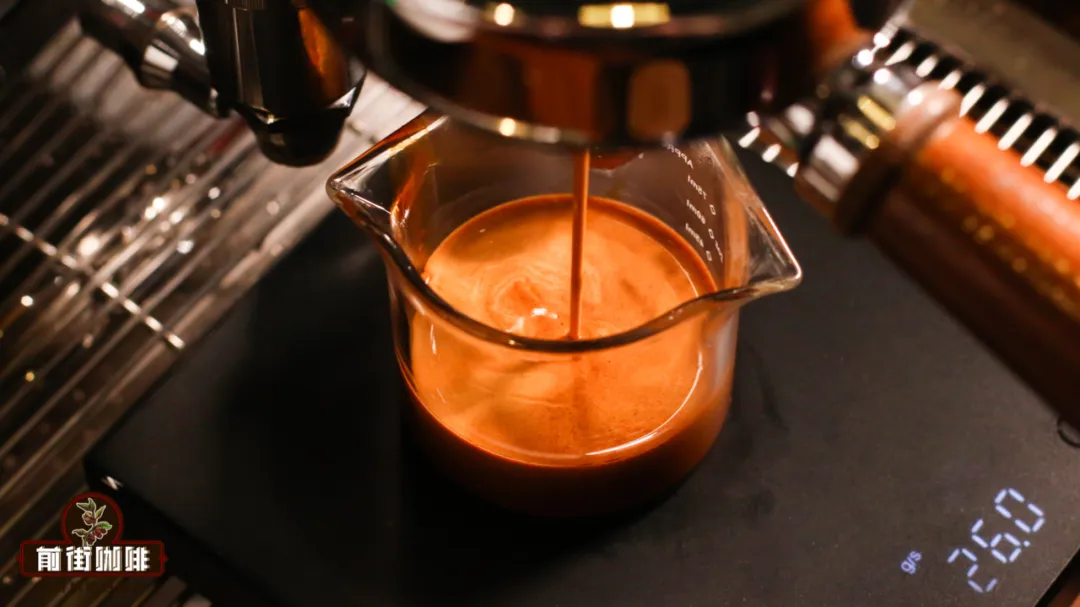
But this design also brings challenges. In one actual extraction test, using a double basket with 20 grams of coffee, 40 milliliters of liquid was extracted in about 30 seconds, with a measured concentration of 10.52% and an extraction yield of 21.80%. The flavors were layered and rich, including notes of chocolate, butter, nuts, and caramel, with a full body and long aftertaste. In contrast, the single basket, using 10 grams of coffee, extracted 20 milliliters in just about 21 seconds, resulting in a concentration of only 8.21% and an extraction yield of 17.02%. The flavors were noticeably lighter, lacked complexity, the body was thin, and the aftertaste was short—exhibiting classic signs of under-extraction.
To make a single basket perform closer to a double, theoretically you could adjust the grind finer or increase the coffee dose. However, for coffee shops, adjusting the grinder settings on the spot isn’t practical—especially just for one cup. Further testing showed that even with the same grind size, a single basket needs at least over 12.5 grams of coffee to approach the extraction performance of a double basket. But even then, single baskets face a more serious issue—extremely poor stability.
Stability is the key reason single baskets are rarely used, and it’s closely tied to their structure. The straight design of double baskets ensures even distribution of pressure during distribution, tamping, and extraction, minimizing channeling and leading to more consistent extractions. However, to increase coffee bed thickness in a limited space, single baskets use a double-layered and inverted cone structure. This results in greater pressure on the edges of the puck during tamping compared to the center, leaving the middle area relatively loose. Once extraction begins, water will preferentially flow through the path of least resistance—the center—causing channeling and highly uneven extraction.
This uneven extraction not only affects flavor but also makes it difficult to cleanly knock out the puck after brewing. Many baristas report that pucks from single baskets are often loose, wet, and even fail to hold their shape. This not only impacts the quality of the coffee being served but also adds operational challenges. Therefore, despite single baskets theoretically saving coffee, their poor extraction stability, subpar flavor performance, and operational inconvenience lead most professional cafés to stick with double baskets—even if it means discarding some coffee—to ensure consistent quality in every cup.
In summary, single and double baskets each have their original design purposes, but in practice, double baskets stand out as the industry standard due to their stable structure, uniform extraction, and consistent flavor. While single baskets may save coffee in theory, their technical complexity and poor stability often make it difficult to meet commercial extraction quality standards. If you’re a coffee enthusiast, the next time you order at a café, you might want to observe which type of basket the barista uses—you might gain a deeper appreciation for the technical choices behind that cup of espresso.
The above content is compiled by CoffeeHunters, a coffee news website.


