








Introduction:This article provides an in-depth analysis of the operational differences between Tetsu Kasuya’s modified hybrid pour-over method and the classic 4:6 method. Through a practical demonstration using beans from Emerald Estate, it details grind-to-water ratios, water temperature control, and segmented pouring techniques. Learn how these two methods affect extraction uniformity and flavor expression, master the key points of using a smart dripper, and adjust to achieve your ideal cup profile.
As the 2016 World Brewers Cup Champion and the originator of both the 4:6 method and the hybrid brewing method, Tetsu Kasuya has always adhered to the philosophy of “helping everyone brew delicious coffee.” These methods are not only simple and straightforward but also easy for pour-over beginners to grasp, allowing them to brew coffee with rich layers of flavor.
Recently, Tetsu Kasuya made minor adjustments to the original hybrid brewing method—just two subtle changes—that significantly improved extraction stability and uniformity. The new version combines immersion and drip filtration extraction and must be performed using a smart dripper with a valve mechanism. This article uses Emerald Estate Diamond Mountain coffee beans as an example, demonstrating the full process of the updated hybrid pour-over method step-by-step with a Hario V60 smart dripper. It covers key parameters such as grind-to-water ratio, grind size, segmented pouring, and temperature control, helping you understand the logic behind this method and learn how to optimize it according to personal taste preferences.

Tetsu Kasuya has demonstrated the effects of the adjusted hybrid pour-over method in videos, showing how even slight tweaks can lead to noticeably different coffee outcomes. The 4:6 method and hybrid brewing method he promotes are centered around being “easy to learn, stable, and flavorful,” making them a top choice for many coffee enthusiasts just starting out.
This time, his improvements to the hybrid brewing method focus on two minor changes in the brewing process, effectively enhancing overall extraction stability and uniformity, thus making it easier to produce a high-quality cup of coffee. Next, we’ll introduce in detail this upgraded hybrid brewing method and how its steps differ.
The so-called hybrid brewing method, as the name suggests, integrates both “immersion” and “drip filtration” extraction techniques. Traditional drip filtration extracts coffee by passing water through the surface of the grounds, while immersion allows the coffee grounds to sit in hot water for an extended period to release flavor compounds. The hybrid brewing method alternates between these two approaches within the same workflow. Because it requires the coffee grounds to sit in water for a period, a smart dripper with a valve function is essential to precisely control the extraction time.
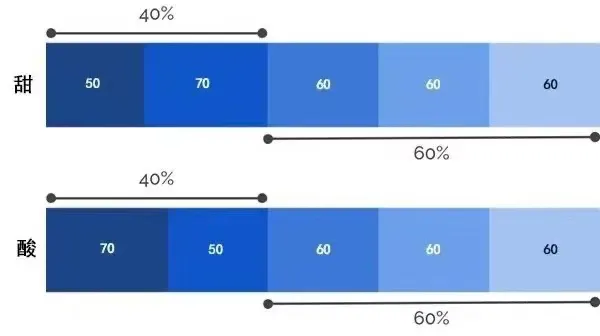
The hybrid brewing method evolved from the 4:6 method, sharing the same foundational theory, with the main differences lying in operational details. The 4:6 method clearly divides the total water volume into the first 40% and the latter 60%: the first 40% influences the coffee’s flavor balance, that is, the harmony between acidity and sweetness; the latter 60% primarily governs the mouthfeel, such as juiciness and body.

The hybrid brewing method also splits the water into the first 40% and the latter 60%, but unlike the 4:6 method’s five pouring segments, it simplifies the number of pours and incorporates an immersion step. The first two segments remain drip-filtration extractions, but the last three are combined into a single phase where 60% of the total water volume is poured as an immersion step. To execute this, simply close the valve of the smart dripper before pouring.
Due to the addition of a longer immersion phase, to avoid extracting excessive undesirable compounds, the water temperature for the third pour is usually slightly lowered. In the latest adjusted version, Tetsu Kasuya further optimized the method: changing the first bloom from a drip phase to an immersion phase, and splitting the latter 60% of water into two stages—one drip-poured and the other immersed. The goal of this adjustment is to allow the coffee grounds to fully degas in the initial stage, thereby making subsequent extraction more uniform and stable.
With the basic principles understood, let’s now go through the practical steps to master this upgraded hybrid brewing method.
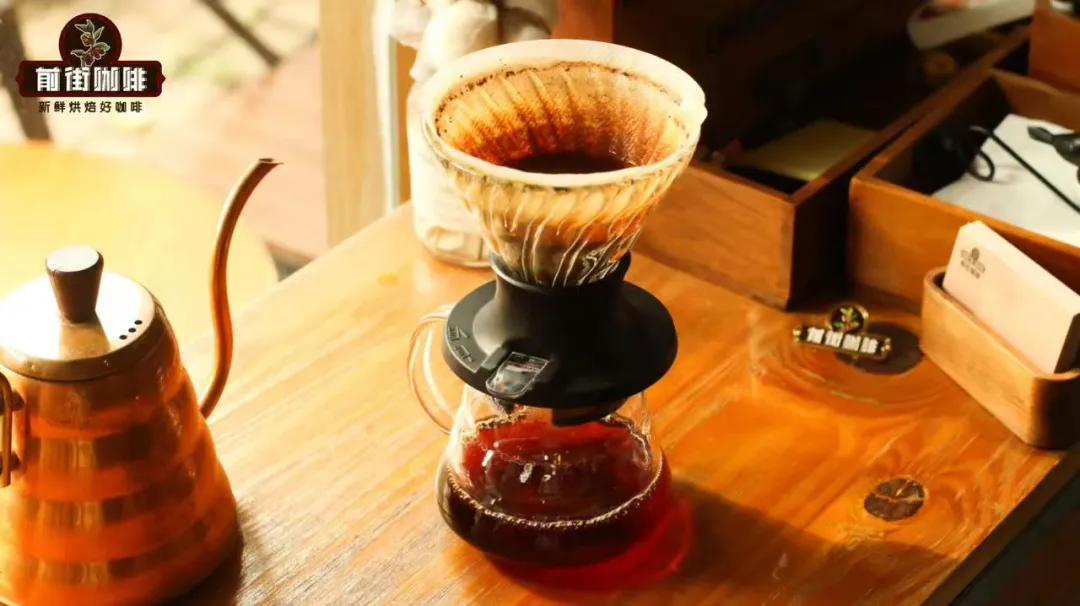
For this demonstration, we selected Emerald Estate Diamond Mountain coffee beans. The brewing parameters are as follows: using a Hario V60 smart dripper, 20 grams of coffee, a 1:15 grind-to-water ratio, and a grind size adjusted to that of fine sugar (referencing an Ek43 grinder at setting 10, approximately 75% through a 20-mesh sieve). The brewing water temperature is maintained at 92°C for the first three stages and lowered to around 70°C for the final stage.
Step 1: First, close the smart dripper valve and pour water equal to twice the coffee dose (approximately 40 ml × 2 = 80 ml) to perform a 40-second bloom. This step helps the coffee grounds fully degas, laying a solid foundation for subsequent extraction.
After the bloom, open the valve to allow the coffee liquid to drip naturally. As the dripping nears completion, pour the second segment of water in small streams in a circular motion from the center outward, adding about 80 ml (scale shows 120 ml), with a pouring time recommended to be controlled between 20–30 seconds.
When the coffee liquid in the cup is nearing the end of dripping, keep the valve open and continue pouring the third segment of water in small circular streams, also adding about 80 ml (scale shows 200 ml). During this waiting time, you can add room-temperature cold water to the kettle to adjust the water temperature to the range of 70°C to 80°C.
After approximately 2 minutes and 10 seconds, once the coffee liquid has mostly finished dripping, close the valve and pour the remaining 100 ml of water all at once for a 35-second immersion.
At 2 minutes and 45 seconds, open the valve to end the immersion and wait until all the coffee liquid has dripped out before removing the smart dripper. The entire extraction process is then complete.

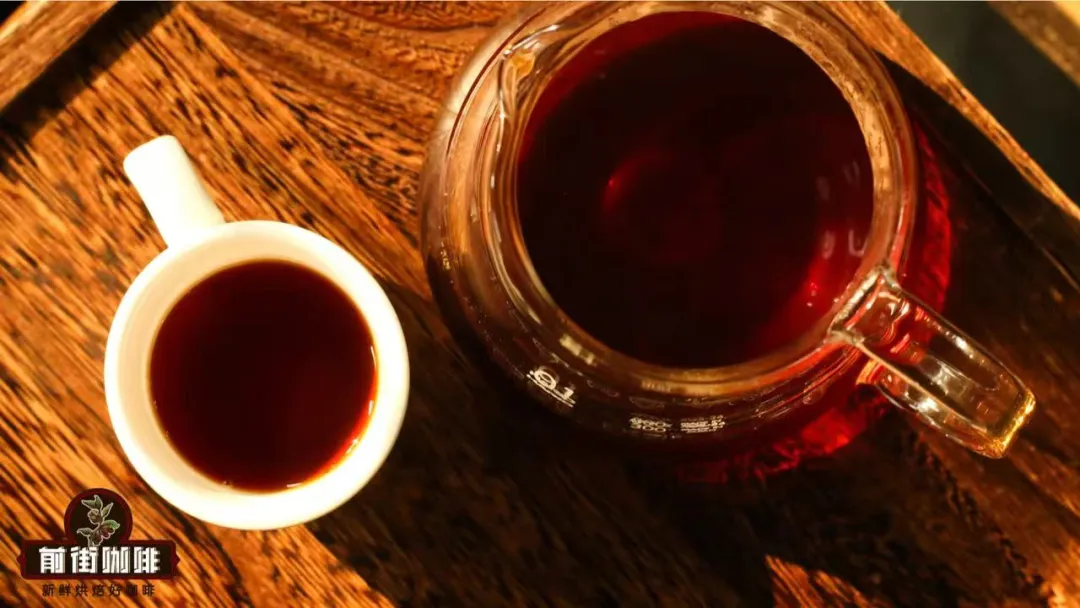
The total time is about 3 minutes and 20 seconds. Although slightly longer than conventional pour-over methods, the overall lower water temperature and emphasis on immersion prevent over-extraction bitterness, instead showcasing excellent balance. In terms of flavor, notes of citrus, berries, and apricot are distinct, with pronounced sweetness, a silky and mellow mouthfeel like honey, and a lingering aftertaste reminiscent of oolong tea.
The above is the complete operational process of the new hybrid brewing method, recommended as a reference template. Tetsu Kasuya also emphasized in the video that each user can adjust parameters and steps appropriately based on personal taste, bean characteristics, and equipment conditions. As long as the core principles are grasped, one can brew a coffee flavor closer to their own preference—this is also the core value of our ongoing efforts to share brewing knowledge.
The above content is compiled by CoffeeHunters, a coffee news website.


