








Introduction:Many coffee enthusiasts often find it difficult to detect floral aromas when tasting floral-scented coffee. In fact, understanding the sources of these aromas and mastering the correct tasting methods are key to identifying floral notes in coffee. This article will analyze the three common types of floral aromas found in coffee—namely fresh floral, soft floral, and muted floral—and share practical tips to enhance your olfactory discernment. It will also provide relevant pour over recommendations to help you more easily appreciate the delicate floral notes in coffee.
Many coffee lovers often encounter a common issue when tasting floral-character coffee: why can others clearly perceive jasmine, rose, and other floral notes, while they themselves only smell fruitiness? In reality, this isn’t due to issues with taste or smell, but rather a lack of familiarity with the origins and identification methods of coffee aromas. Floral notes in coffee don’t appear out of nowhere—they come from a range of volatile organic compounds such as terpenes, alcohols, aldehydes, and esters. These substances are similar in composition to the aromatic compounds found in flowers in nature, which can evoke memories and associations with specific blooms.

However, for those who are new to specialty coffee, accurately distinguishing floral notes from a cup of coffee is indeed not easy. Many people who try recommended floral-character coffees report that they perceive more citrus, berries, or other fruit flavors rather than distinct floral notes. In such cases, we can gradually improve our ability to perceive floral aromas by understanding the composition of aromas and training our olfactory sensitivity.
To accurately discern floral notes in coffee, it’s first important to understand that “tasting coffee” is not just a taste experience on the tongue—the sense of smell also plays a critical role. In fact, about 70% of our flavor perception comes from our sense of smell. Therefore, to truly experience the floral notes in coffee, we need to make full use of our nose by smelling the dry aroma and the wet aroma to capture those delicate aromatic molecules.

The floral notes in coffee are the result of the combined action of various volatile compounds. Among them, terpenes often bring a fresh, plant-like scent, alcohols may present soft floral or honey-like aromas, and aldehydes often carry bright, sweet top notes. These chemical components are very similar to the aromatic substances released by flowers in nature, thus triggering associations with specific blossoms in our minds. However, because the aromas in coffee are often rich in layers and intricately intertwined, without some training, it’s easy to notice only the more prominent fruit or nut tones while overlooking the subtle floral notes hidden within.
So, how can one improve their ability to identify floral aromas in coffee? A practical technique is to learn to deconstruct and compare the “contours and characteristics” of aromas. Each type of floral note has its own unique olfactory traits—for example, freshness, sweetness, juiciness, or a certain powdery or creamy aroma. When tasting a cup of coffee, you can try breaking down the perceived aromas into several dimensions, then comparing them with the real floral scents you are familiar with, gradually piecing together an overall impression akin to floral notes. This approach helps you more clearly capture those faint floral signals amidst complex aromatic backgrounds.
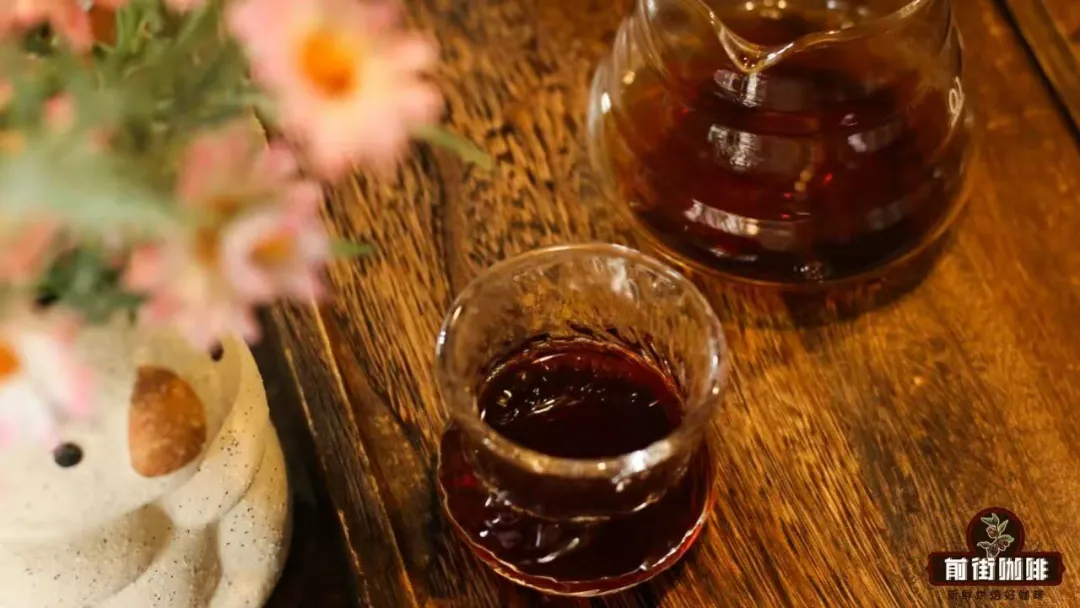
In coffee, common floral notes can generally be divided into three main types: fresh floral, soft floral, and muted floral. Each type has its own distinctive olfactory profile and is often found in coffee beans from different regions and processed by different methods.
Fresh Floralis the most common and easiest type for beginners to detect. These floral notes typically present as fresh, light, and slightly sweet, with common representative flowers including jasmine, coffee flower, gardenia, magnolia, and orange blossom. The hallmark of this type of floral aroma is its watery and transparent feel, sometimes accompanied by soft powdery or creamy notes, giving an overall impression of freshness and comfort. Fresh floral notes are commonly found in washed-process coffee beans produced in high-altitude regions of Africa and Central America. Due to the high altitude and large diurnal temperature variations, these regions often produce coffee with bright flavors and delicate aromas. For example, washed Yirgacheffe, Panamanian Geisha, and Emerald Green Label Geisha are classic representatives that showcase fresh floral characteristics.
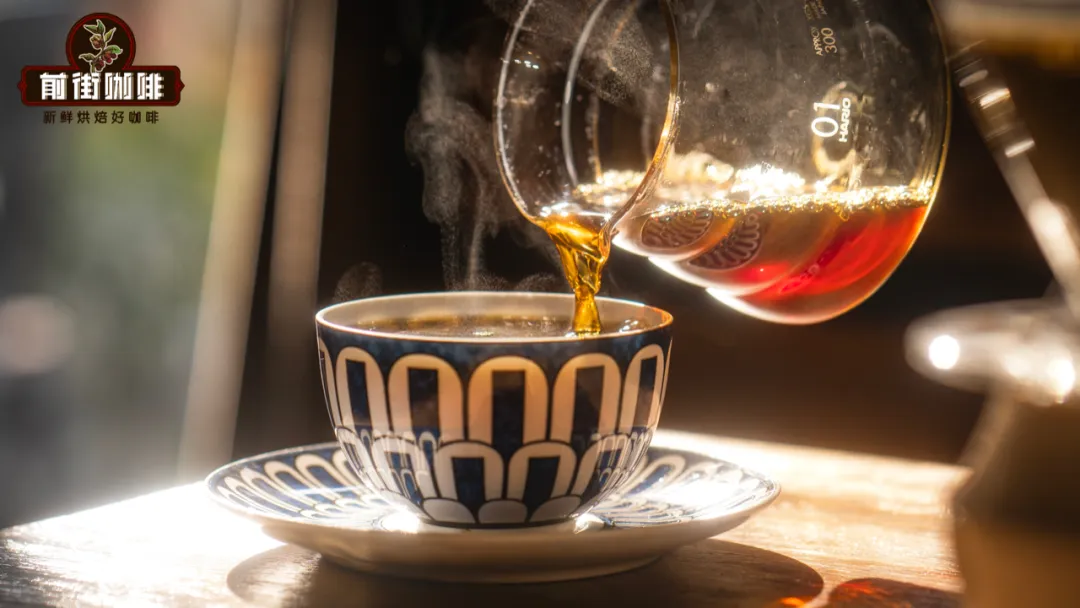
Soft Floralexhibits a warmer, softer, and more lingering aromatic quality, often blending with the aromas of ripe fruits to form a well-rounded profile with a woody undertone. Representative flowers include lavender, rose, magnolia, and violet. This type of floral note usually gives a tranquil and soothing impression, and is more subtle and harder to detect instantly compared to fresh floral notes—it requires careful sipping to gradually perceive. Soft floral notes are often found in high-altitude coffee beans with slightly deeper fermentation, especially in certain regions of Africa and Central America. For instance, Ethiopia’s ALO, Costa Rica’s Mozart, and the Jiwah from Finca La Divisoria are all excellent choices that showcase soft floral qualities.
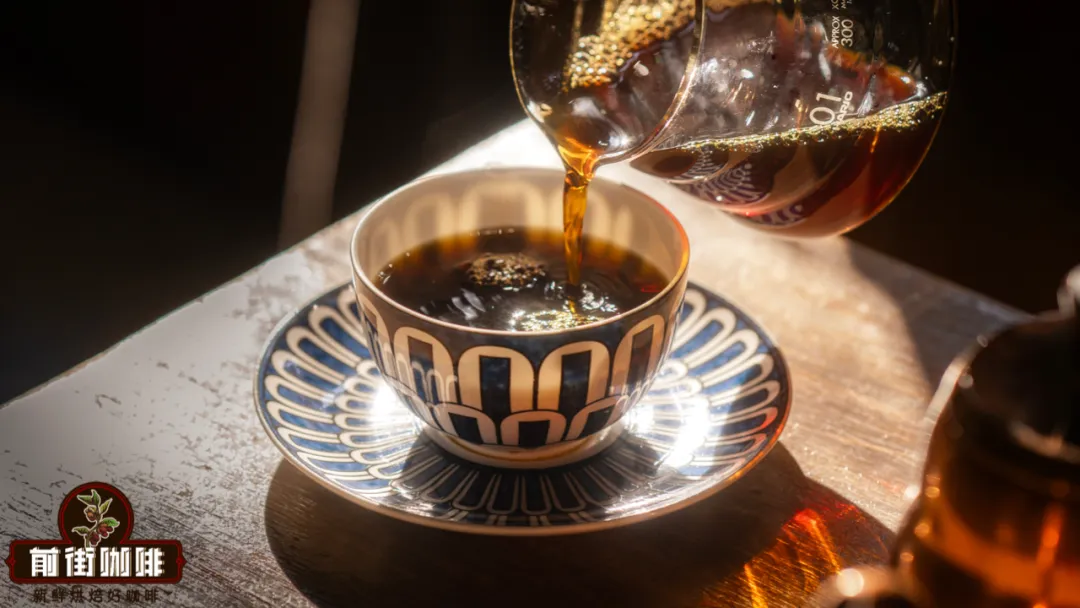
Finally, there isMuted Floral, a rather special type of floral note that often carries hints of spices or herbal scents, such as lemongrass or chamomile, and occasionally features sweet, rich aromas reminiscent of osmanthus. Though recognizable, these floral notes are less commonly encountered in coffee due to their relatively intense and closed-off character. Typical examples include premium, high-complexity beans like Gold Label Geisha and 90+ Eleta Geisha. These coffees often have extremely rich layers of aroma, making them ideal for advanced coffee enthusiasts to explore in depth.
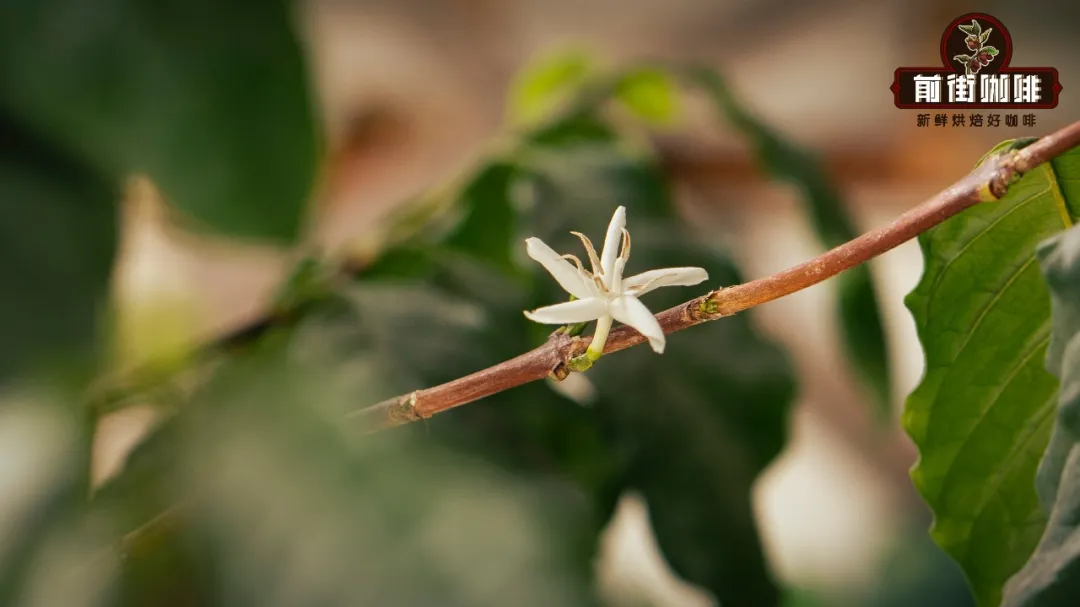
In addition to improving floral perception through olfactory training and aroma deconstruction, adjusting pour over parameters and methods can also enhance the expression of floral notes in coffee. For example, moderately lowering the water temperature and shortening the extraction time can help preserve the more delicate and volatile aromatic compounds in coffee, thereby highlighting floral characteristics. For a deeper understanding of how to enhance floral expression through pour over techniques, it is recommended to refer to specialized technical shares focusing on floral-enhancing extraction methods for more comprehensive practical guidance.
The above content is compiled by CoffeeHunters, a coffee news website.


