







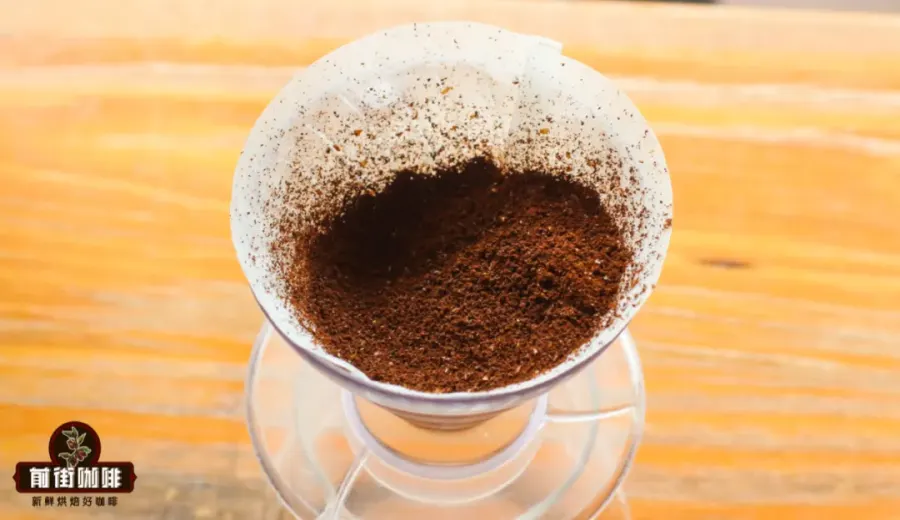
Introduction:Many pour over coffee enthusiasts have the habit of leveling the coffee bed before pouring water, aiming to achieve more even extraction. However, excessive or improperly applied tapping may trigger the "Brazil nut effect," causing fine particles to settle at the bottom and coarse particles to rise to the top. This, in turn, can disrupt the heat and water distribution during the blooming phase and compromise overall extraction balance. This article delves into the causes of this phenomenon and offers practical advice on handling the coffee bed to help you avoid uneven extraction and over-extraction, thereby enhancing the flavor performance of your pour over coffee.
During the pour over process, many coffee lovers observe the coffee bed before pouring water. If they notice uneven distribution of coffee grounds, they often opt to gently tap the filter cone to make the bed appear flatter. The intention is to allow hot water to pass through the coffee layer more uniformly, thereby improving extraction stability and flavor expression. However, if the tapping is not done properly, not only will it fail to achieve the desired effect, but it may also lead to uneven extraction—or even over-extraction—due to the "Brazil nut effect."
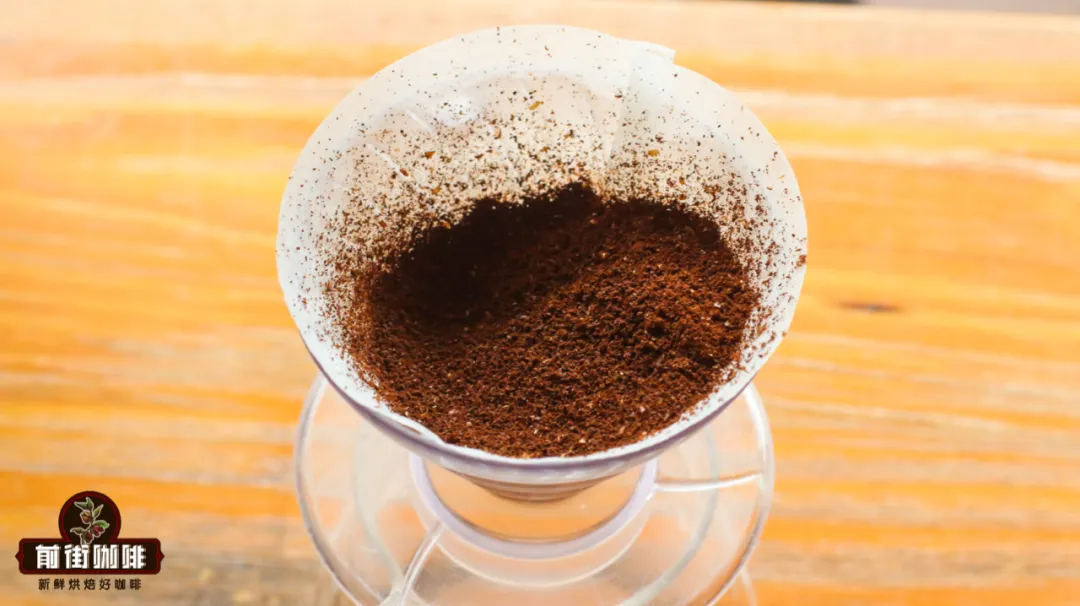
The act of leveling the coffee bed is not just about achieving a visually neat appearance; more often, people believe it helps water flow through the coffee layer more smoothly, resulting in better extraction efficiency. Compared to an uneven bed, a flat surface indeed facilitates smoother water flow, thereby enhancing the overall quality of your pour over coffee.
However, it’s worth noting that the force and frequency of tapping the coffee bed actually involve some nuanced science. If done too frequently or too forcefully, it may inadvertently trigger the so-called "Brazil nut effect." Originally, this phenomenon refers to what happens when a container filled with particles of varying sizes is shaken or tapped—the larger particles gradually rise to the surface while the smaller ones settle to the bottom. The same effect can occur with coffee grounds, and it can directly impact extraction results.

Ground coffee is not made up of particles that are all the same size; it contains both coarser grounds and very fine particles. When we tap the filter cone, these differently sized particles redistribute due to physical forces—smaller particles tend to sink to the bottom of the coffee bed, while larger ones may gather toward the top. This stratification leads to two main issues: first, uneven extraction during the blooming phase, and second, potential over-extraction.
Let’s first discuss the issue of uneven extraction. When fine particles accumulate at the bottom of the bed, the blooming water poured (usually twice the weight of the coffee dose) may struggle to penetrate evenly because the bottom layer is denser. Water naturally seeks the path of least resistance, so it tends to flow through the looser edges or upper sections of the coffee bed. As a result, the fine particles at the bottom may not get sufficiently wetted, preventing effective release of flavor compounds. Practical tests have shown that when using high-density coffee grounds and cone-shaped filters capable of holding thicker beds, repeated tapping can indeed lead to unwetted clumps of coffee at the bottom, which directly affects the aroma and taste of the final cup.
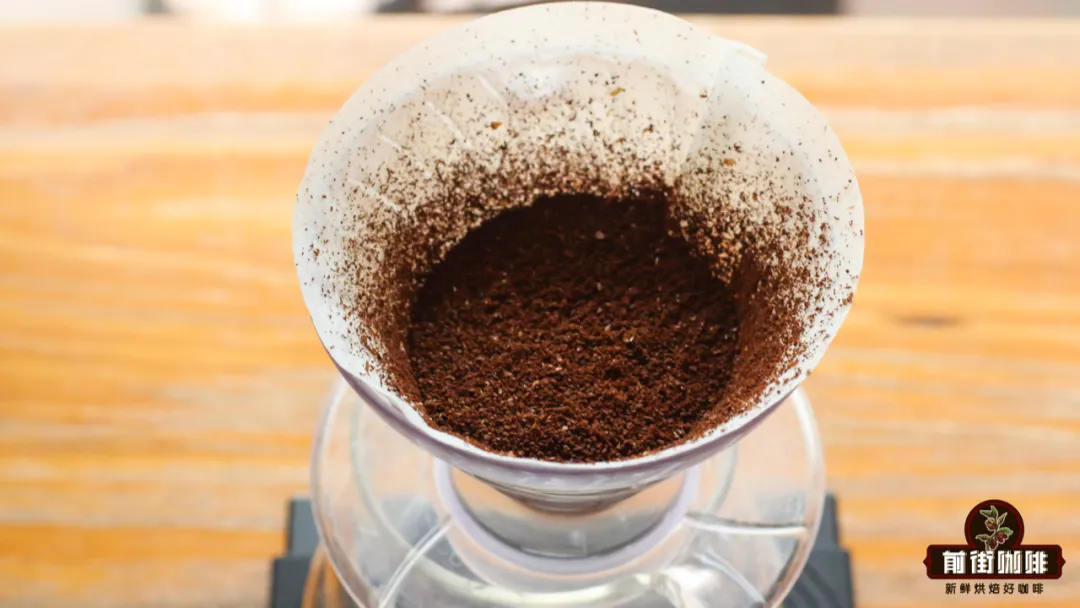
On the other hand, excessive tapping can also increase the risk of over-extraction. When fine particles settle to the bottom due to tapping, these extremely small particles may clog the pores of the filter paper, reducing water flow pathways. Once the permeability of the filter is compromised, the time it takes for water to pass through the coffee bed increases. Overly prolonged extraction allows for excessive release of coffee compounds, leading to intensified bitterness and a loss of flavor balance. This extended extraction time caused by blocked pathways is one of the common culprits behind over-extraction.
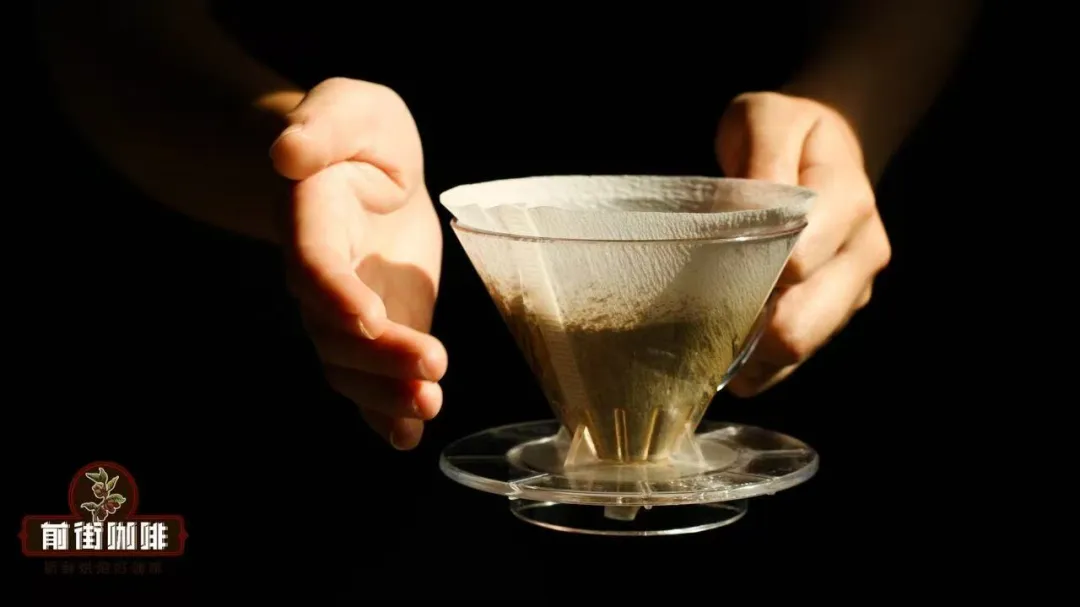
Having understood these potential issues, many readers may ask: should we just skip leveling the coffee bed altogether? The answer is not that absolute. In fact, moderate tapping still has its benefits—the key lies in controlling the force and frequency. It is recommended that when smoothing the coffee bed, you avoid excessive knocking or hard tapping. Instead, gently and evenly even out the surface of the coffee layer. This approach maintains basic flatness of the coffee bed without causing significant particle migration.
In summary, handling the coffee bed in pour over coffee may seem simple, but it involves quite a bit of scientific principles and practical techniques. Understanding the impact of the "Brazil nut effect" and mastering the correct method of leveling the coffee bed can effectively prevent uneven blooming and over-extraction, helping you consistently present the optimal flavors of your coffee with every pour over.
The above content is compiled by CoffeeHunters, a coffee news website.


