







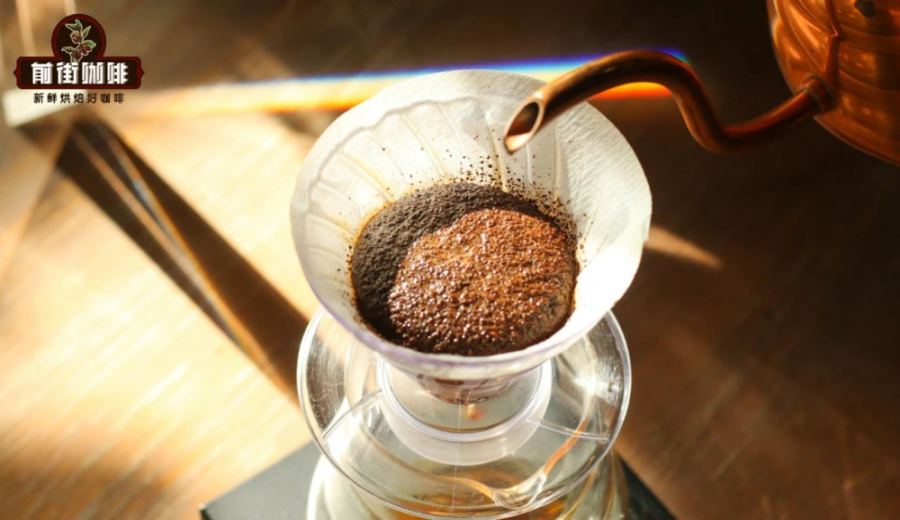
Introduction:Italians’ lack of interest in pour over coffee stems from the deep-rooted cultural foundation and lifestyle habits of espresso, which span hundreds of years. From the advent of the steam-powered coffee machine in the 19th century to the extraction of golden Crema under 9 bar pressure, espresso has become an integral part of the Italian daily rhythm. This article delves into how technical innovations in espresso machines have shaped drinking habits, explores the three key reasons why pour over remains unpopular locally, and observes the slow growth trend of specialty coffee in Italy.
While the global pour over coffee craze continues to heat up, Italy remains steadfastly loyal to espresso. This cultural difference is not accidental but deeply embedded in Italy’s centuries-old coffee history and unique way of life. From the first introduction of coffee beans by Venetian merchants in the 16th century to the maturation of 9 bar pressure extraction technology in the 20th century, Italians have long regarded espresso as an indispensable part of their lives.
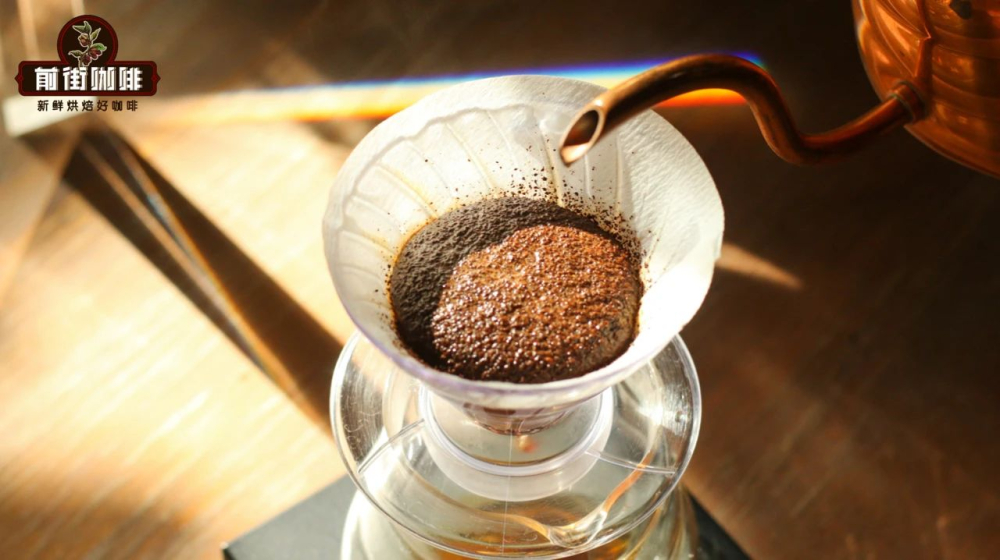
A common topic of discussion in recent years is: “Why are Italians uninterested in pour over coffee?” This question bears similarities to past discussions on “why ordering an iced Americano in Italy often invites disapproving looks.” In fact, pour over coffee isn’t entirely absent in Italy, but compared to other countries, its popularity is noticeably low. Not only pour over, but other forms of single-origin or specialty coffee have also failed to truly gain traction in Italy.
This phenomenon is particularly puzzling in Italy, given that it is a country with an extremely profound coffee culture, where coffee is already deeply integrated into daily life. In a nation filled with cafes and easily accessible coffee, pour over coffee has almost no foothold. This raises a deeper question: why is pour over coffee so “unwelcome” in Italy? The answer is closely tied to the region’s deeply entrenched coffee traditions and fast-paced lifestyle.
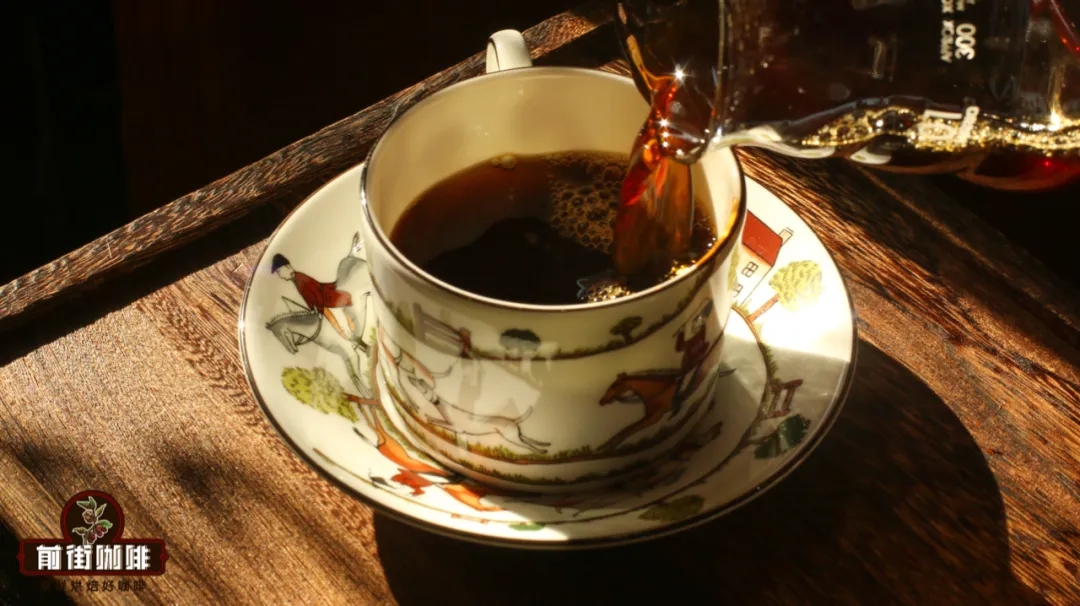
Italy’s coffee culture dates back to 1580, when coffee beans entered Italy through the port of Venice, making it one of the first European countries to encounter coffee. By the mid-17th century, the first coffeehouse in Europe opened in Rome, and coffee gradually became widespread in Italy. Early Italians used the Turkish brewing method: boiling ground coffee powder with water in an old-style Turkish copper pot, then filtering out the grounds with a cloth. Although this method could extract coffee, its major drawback was the slow preparation process, requiring considerable waiting time for each cup.
With the arrival of the Industrial Revolution, coffee extraction technology saw significant breakthroughs. In 1884, Angelo Moriondo invented the first machine capable of quickly extracting coffee using steam, and obtained a patent in Turin, Italy. This innovation drastically reduced brewing time, but due to reliance on steam power, the machine’s stability was poor, and it underwent countless improvements before becoming more refined. In 1905, Milan-based manufacturer Luigi Bezzera made a pivotal improvement to the patent by adding steam pressure functionality and launching a commercial model. Though the pressure at the time was only 1.5 bar, it successfully reduced extraction time to one minute—a revolutionary advancement for the era. By around 1920, the term “Espresso” was officially included in the Italian dictionary, defined as “concentrated coffee made using a pressurized machine or filter.”
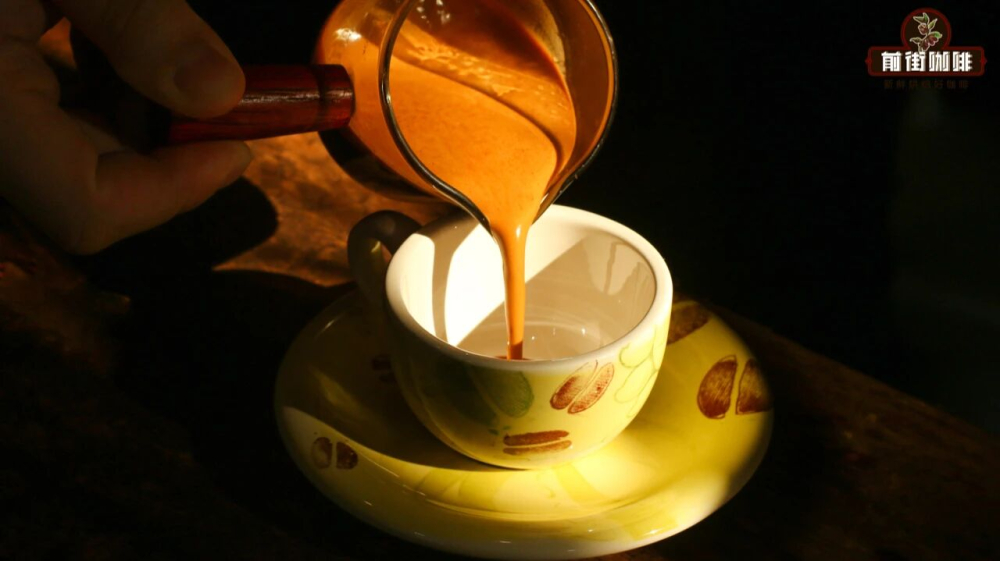
Technological innovations in coffee machines did not stop there. In 1938, Milan engineer Achille Gaggia further improved the machine, significantly increasing the pressure from 1.5 bar to 9 bar. This key breakthrough not only made coffee extraction faster but also formed a thick, velvety layer of Crema on the coffee’s surface while stabilizing the extraction process. As espresso machine functions became increasingly sophisticated, Italians’ coffee drinking habits also evolved, which explains why single-origin and pour over coffees struggle to gain acceptance in Italy.
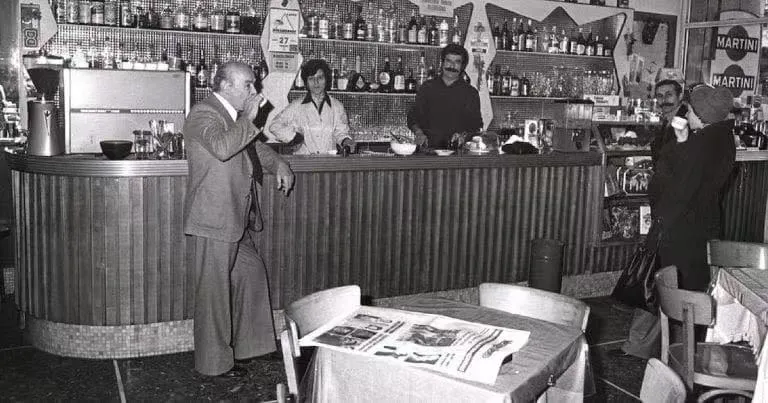
For Italian consumers, their core needs for coffee can be summed up in three keywords: fast, strong, and cheap. These are precisely the defining characteristics of espresso. Espresso consumption in Italy is second only to water, making it an indispensable daily beverage—so much so that Italians often simply call it “caffè.” When customers walk into a cafe and casually say “a coffee,” baristas automatically understand it as a request for an espresso.
These espressos are typically made with dark-roasted beans, often a blend of Robusta and Arabica, resulting in a strong bitterness and rich crema. Many Italians habitually add a small amount of brown sugar to balance the bitterness, stir gently, and then drink it down in one go to enjoy this intense coffee experience. To replicate an authentic Italian espresso at home, it is recommended to use medium-dark roasted blends, which produce abundant crema and aroma, offering complex flavors reminiscent of roasted chestnuts, butter, baked nuts, and bread.
In contrast, pour over coffee is fundamentally different. It generally uses lighter roasts and has a relatively lower concentration, aiming to better highlight the intrinsic flavor characteristics of the beans. However, for Italians who have grown up drinking espresso, pour over differs markedly in both taste and strength from the bold flavors they’re accustomed to, making it hard to align with their expectations of coffee.
Moreover, for most Italian consumers, coffee is a daily necessity—not just reflected in high consumption volumes but also in its affordable pricing. A standard espresso typically costs around 1 euro (approximately 7 RMB), making it extremely economical. In contrast, pour over coffee, which uses higher-quality beans, is often several times the price of an espresso. For Italians who are used to treating coffee as an everyday drink, it’s difficult to justify paying a premium for a cup of coffee—another reason why pour over struggles to gain traction locally.
Finally, there’s the difference in preparation time. Italian cafes emphasize efficiency and a fast-paced environment; customers usually order an espresso during a brief stop, drink it quickly, and leave—this has become an ingrained coffee culture habit among Italians. In contrast, the pour over process is relatively slow, requiring longer brewing times and encouraging drinkers to savor it slowly—this contrasts sharply with Italian coffee consumption habits.
Taking these three key factors into account—the demand for speed and convenience, the preference for strong flavors, and the desire for affordability—it’s easy to understand why pour over coffee has consistently struggled to gain widespread acceptance in Italy. However, with the gradual penetration of specialty coffee culture, more and more Italian cafes are beginning to offer specialty coffee options, and the consumer base receptive to specialty coffee is slowly expanding. Despite the influence of deep-rooted traditions, this shift is taking time, but change is indeed happening.
The above content is compiled by CoffeeHunters, a coffee news website.


