







Introduction:A cup of iced fresh lemonade was reported due to residual lemon seeds, prompting an investigation by market regulators which later clarified responsibilities. This seemingly trivial consumer dispute actually reflects common quality controversies in the tea beverage industry and standards for handling freshly cut fruits. This article delves into the incident, explains whether lemon seeds affect food safety, and offers practical advice on handling tea beverage ingredients.
A branch of Mixue Ice Cream & Tea in Hefei, Anhui, was recently investigated by market supervision officers following a consumer complaint about lemon seeds in a drink. The incident began when a customer purchased iced fresh lemonade, found lemon seeds in the beverage, experienced a bitter taste, and subsequently raised food safety concerns with the relevant authorities.
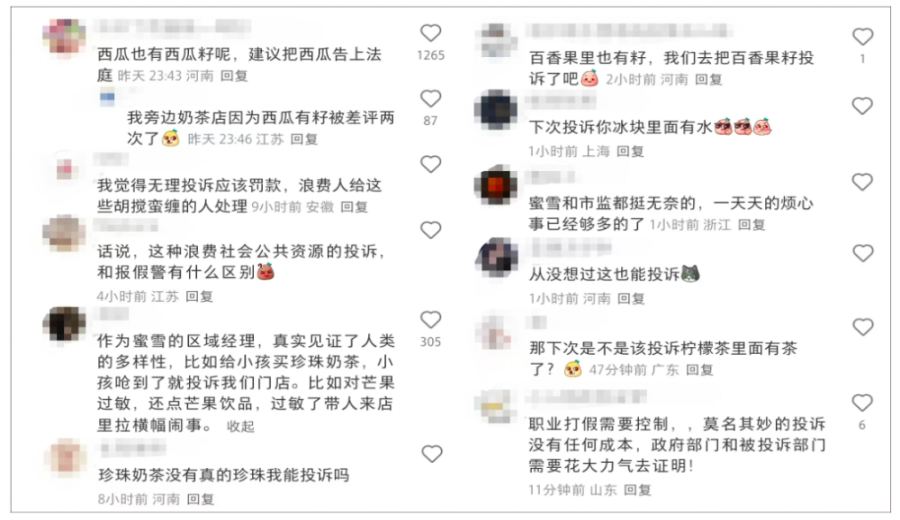
Footage from the scene showed the consumer claiming that the presence of lemon seeds was a flaw in the drink's preparation, questioning whether the store had implemented proper quality control. However, bystanders had mixed reactions—some felt the complaint was overly strict, while others shared similar experiences, such as objecting to passion fruit or watermelon seeds.
The Mixue Ice Cream & Tea branch responded by stating that naturally seeded slices of freshly cut lemons are a normal occurrence, and that the seeds were not deliberately removed during preparation, indicating no staff operational error. The regional manager also revealed that the store has dealt with more unusual customer complaints, such as throat irritation from bubble tea pearls and mango allergies.
The local market supervision authority confirmed receiving reports about the taste of the lemonade and sent officers to investigate on-site. Investigators found that the store used a slicing machine to process the lemons, and to comply with hygiene regulations and avoid secondary manual contact with the fruit pulp, seed removal proved difficult. Authorities ultimately concluded that the presence of lemon seeds did not constitute a food safety violation.
Industry experts pointed out that common ingredient disputes in freshly cut fruit beverages often stem from differing consumer perceptions of what constitutes "acceptable impurities." Taking lemons as an example, although their seeds may release slightly bitter substances,a single drink containing 1–3 whole lemon seedsgenerally does not affect overall hygiene or safety. It is recommended that beverage operators reduce seed residue rates through screening or slicing techniques.
This incident also highlights the challenges of standardizing operations in the tea beverage industry: how to balance efficiency while meeting consumer expectations for ingredient appearance and taste. For operators, clearly communicating ingredient characteristics (such as “freshly cut fruits may contain seeds”) and offering screening options may be viable ways to reduce similar disputes.
The above content is compiled by CoffeeHunters, a coffee news website.


