








Introduction:Many coffee enthusiasts wonder whether a moka pot can replace an espresso machine in producing espresso. This article will delve into a detailed comparison of the two in terms of extraction pressure, crema performance, and coffee concentration, and use practical test data to illustrate the moka pot’s performance in specialty coffee applications. By understanding these key factors, you can make a more suitable choice, whether for home use or for pursuing refined flavors.
Many coffee lovers have wondered: can an affordable moka pot really replace an expensive espresso machine to extract equally rich espresso? In fact, although both the moka pot and espresso machines use pressure-based extraction methods, there are still significant differences in extraction pressure, crema performance, and overall concentration. This article will analyze the fundamental differences between the two using practical test data and brewing experiences, and explore the moka pot’s actual performance and limitations when making specialty drinks like lattes and Dirty coffees.

Espresso serves as the base for many specialty coffee beverages such as lattes, cappuccinos, and flat whites due to its extremely high concentration and stable crema (coffee foam). However, owning a professional espresso machine at home often means an investment of tens of thousands of yuan, which is a significant expense for most people. As a result, many turn to alternatives, and the moka pot is one of them. The moka pot can also produce highly concentrated coffee, and golden foam appears on the surface when pouring, visually similar to espresso. More importantly, its price typically ranges in the hundreds of yuan, making it very affordable compared to espresso machines that cost tens of thousands, hence earning it the title “the people’s espresso machine.”
But this raises a common question: with such a significant price difference, can a moka pot really produce coffee that is close to espresso? Especially when you plan to use it to make various specialty coffee drinks, can it achieve the expected results?
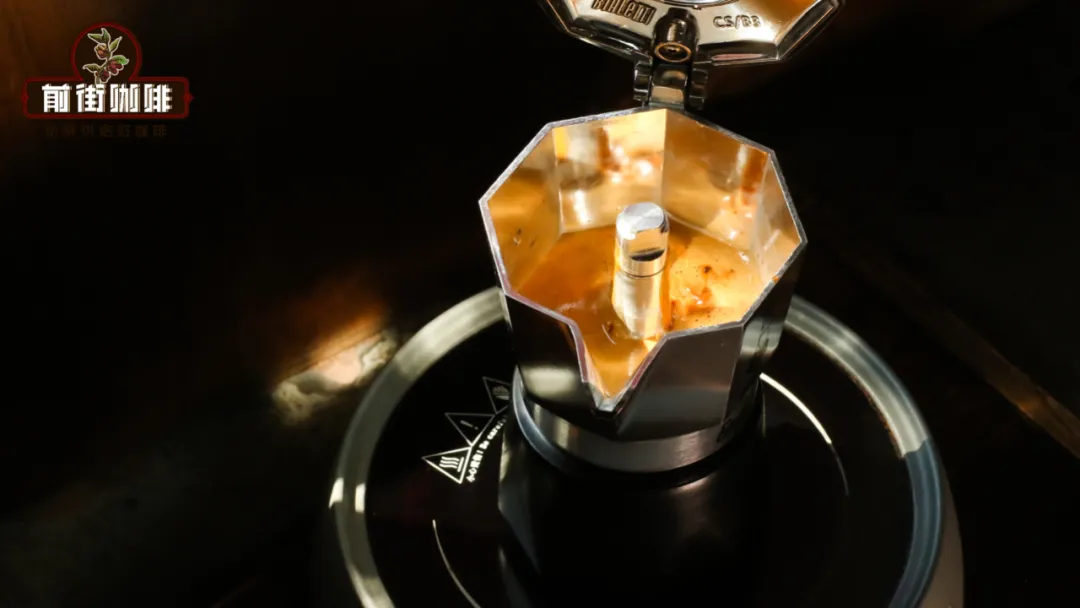
Simply put, if you just want to use the coffee brewed from a moka pot as a base for drinks like lattes or Dirty coffees, it is generally feasible. But if you’re aiming for the exact same taste and intensity as espresso, you’ll need to understand the differences between the two more deeply. The primary reason lies in extraction pressure – a key factor that affects the stability of coffee crema and overall concentration. A moka pot only generates 3–4 bar of pressure, while a standard espresso machine can reach 9 bar, a difference of up to two to three times.
This pressure difference mainly stems from the working principles of the two. An espresso machine uses a built-in high-pressure pump to forcefully push water through the coffee puck, quickly extracting the essence of espresso. In contrast, a moka pot relies on steam pressure generated by heating to drive the water flow. This method is limited by the structure of the pot and heating conditions, so the pressure naturally cannot compare with that of professional machines. Due to the lower pressure, even if you extend the brewing time with a moka pot, it is difficult to achieve the same concentration and crema performance as espresso.
In practical tests using 20 grams of coffee grounds with a Galileo Q18 grind size of 1.0, aiming for a 40 ml output, even with carefully controlled heat and extended extraction time, the coffee produced by the moka pot still had a significantly lower concentration than standard espresso. In terms of flavor, using the same blend, both exhibited a rich, low-acid profile with notes of chocolate, caramel, nuts, and cream. However, the espresso had a fuller and more layered mouthfeel – a direct result of the differences in pressure and concentration.

The differences become even more apparent when using these two types of coffee to make specialty drinks. For example, when making a latte, the standard practice is to use a 1:5 coffee-to-milk ratio, because espresso itself is highly concentrated, so even when a large amount of milk is added, the coffee flavor remains prominent. But if using moka pot coffee, it is recommended to adjust the ratio to 1:4, otherwise the milk can easily overpower the coffee flavor, resulting in an overall lighter taste. Even so, the final flavor performance is still hard to compare with that based on true espresso.
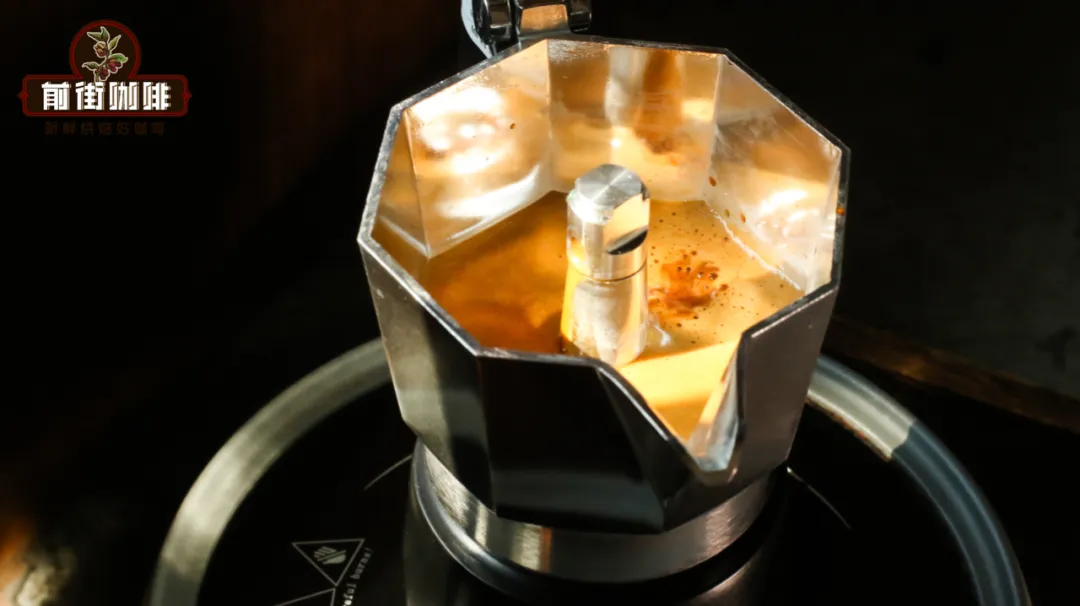
The differences are even more obvious in drinks like Dirty, which emphasize coffee crema and layering effects. Due to the insufficient concentration of moka pot coffee, the layering effect often disappears quickly, failing to maintain the unique visual and textural contrast of a Dirty drink. In addition, although moka pot output may also show a golden-colored “foam,” this is mostly foam produced by valve compression, rather than true crema formed by high-pressure extraction. In contrast, espresso crema is formed by the combination of high pressure and carbon dioxide released from fine coffee particles, making it more stable and able to last several minutes without dissipating.
In summary, the moka pot can indeed provide a rich taste and appearance similar to espresso, making it suitable for everyday quick enjoyment or as a base for specialty coffee, especially when budget is limited or when investing in expensive equipment is not desired. It is a very practical choice. However, if you are pursuing professional-level espresso flavor, stable crema performance, and full extraction pressure, then the moka pot still has its limitations and cannot fully replicate the extraction effects of an espresso machine.

But don’t overlook the value of the moka pot because of this. It is simple to operate, affordable, and all you need to do is heat, fill with coffee, pour water, and you can enjoy a cup of highly concentrated coffee. It is very suitable for beginners or everyday home use. After understanding these differences, you can use the moka pot more wisely. Whether you’re making a latte or simply enjoying a strong black coffee, you can find the most suitable way to use it.
The above content is compiled by CoffeeHunters, a coffee news website.


