







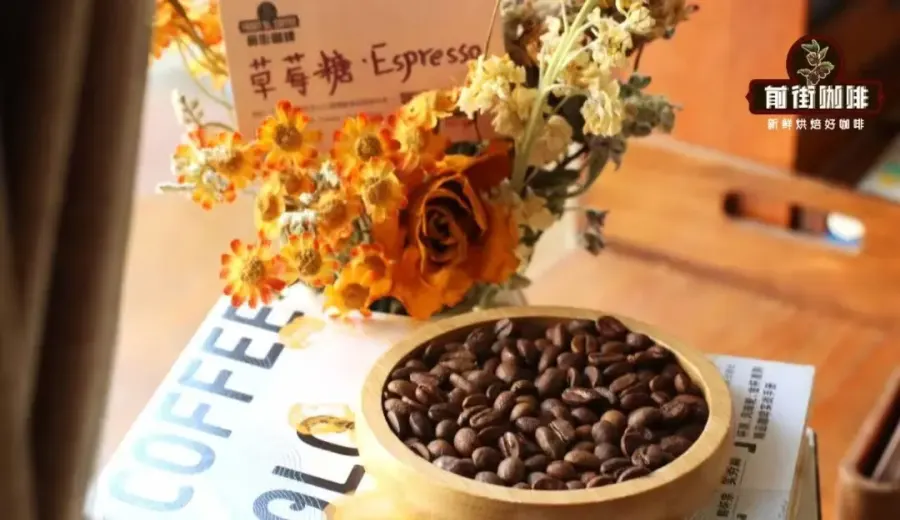
Introduction:Many coffee enthusiasts wonder: can espresso beans be used for pour over? The answer is yes, but to extract the ideal flavors, parameters need to be adjusted. This article delves into the roasting characteristics of espresso blends, single-origin beans, and SOEs (Single Origin Espressos), explaining why these beans are typically dark roasted, and offers practical pour over recommendations for medium-roasted espresso beans—including adjustments to water temperature, grind size, and brew ratio—to help you avoid over-extraction pitfalls and enjoy a balanced, rich pour over experience.
Many coffee lovers have this question: can espresso beans be used for pour over? The answer is yes, but there’s a key difference between “can be brewed” and “brewed well,” which lies in parameter adjustments. Espresso beans are usually roasted darker to achieve a balance between acidity and bitterness when making milk-based coffees and espresso. If you directly apply the pour over parameters meant for light roast beans, it can easily lead to over-extraction, resulting in sharp or harshly bitter flavors.
This article will start from the differences in roast levels, explaining in detail the unique characteristics of espresso blends, pour over single-origin beans, and SOEs (Single Origin Espressos). Through practical examples—such as a medium-roasted espresso bean—we’ll provide specific adjustment plans, including lowering the water temperature and adjusting grind coarseness, so you can also use the pour over method to extract a rich coffee with a long-lasting aftertaste.

Simply put, the answer is: yes, but it doesn’t guarantee the best flavor performance. Espresso beans are designed for espresso machines, but that doesn’t mean they can’t be used for pour over. The point is, “can be brewed” does not equal “will taste good.” If you want to achieve satisfying results using espresso beans for pour over, you must adjust the extraction parameters according to the roast characteristics of the beans.
Generally speaking, whether single-origin or blends, espresso beans are usually roasted darker than those used for pour over or French press. There’s a reason behind this, mainly related to pairing with milk-based coffee. When you add coffee to a large amount of milk, if the beans are too lightly roasted, the delicate flavors can easily be overshadowed by the heavy texture of the milk—especially in milk coffees like lattes, where the unique flavors of light roast beans are hard to highlight. Even with reduced milk ratios, the flavors of light roast coffee often come across as thin and fail to fully express themselves.
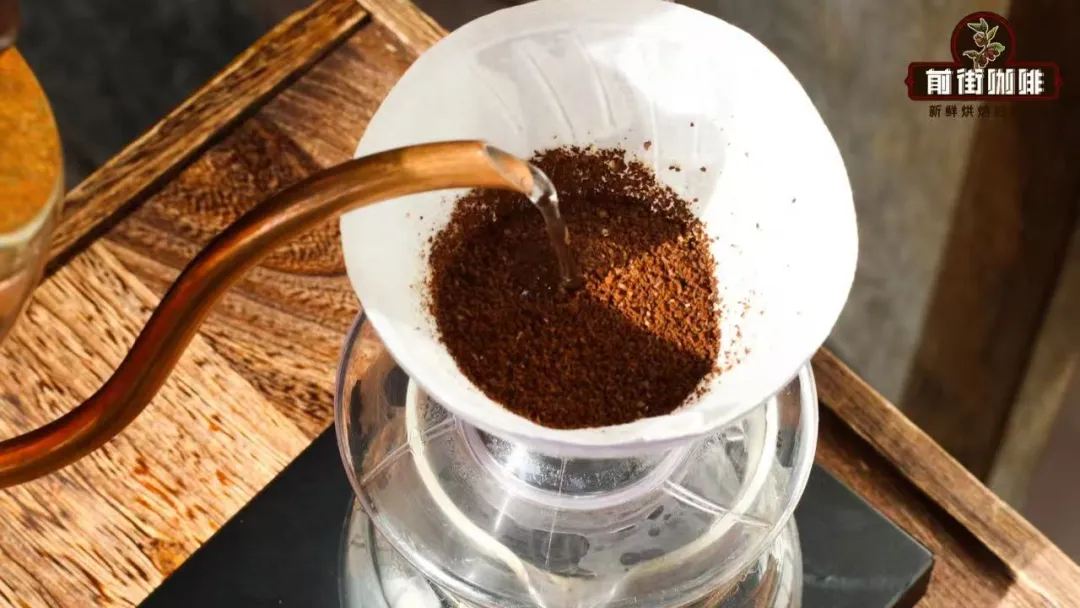
In addition, espresso made from light roast beans usually has higher acidity. The lighter the roast, the more acidity is retained in the coffee beans, and because espresso itself is highly concentrated, the acidity becomes more intense and noticeable. For most people, high-acidity espresso is less palatable than bitterness, especially in drinks like macchiatos or Dirty where espresso is layered with other components—the acidity directly affects the overall taste. Therefore, espresso beans are usually roasted to a darker profile, which not only lowers acidity but also brings out caramel and nutty aromas that pair better with milk.
That’s why, whether blends or single-origin beans, once intended for espresso use, roasters often opt for a darker roast. So, if you want to use espresso beans for pour over and extract a delicious cup, the top priority is to adjust the parameters according to their roast level to avoid undesirable off-flavors caused by over-extraction.
Take, for example, a commonly available medium-roast espresso bean on the market (such as Ethiopian Huila). This bean typically comes in two roast options: one leans toward a light-to-medium roast, showcasing fruity and floral notes, suitable for pour over; the other is medium roasted, specifically designed for espresso machines. If you happen to have this medium-roasted Huila but apply the standard pour over parameters for a light roast bean—such as 92°C water temperature, a grind size of about 75%–80% through a #20 sieve, a 1:15 brew ratio, a three-stage extraction, and a total time of around 2 minutes—you’re likely to end up with an over-extracted cup, featuring off-flavors, bitterness, and astringency.
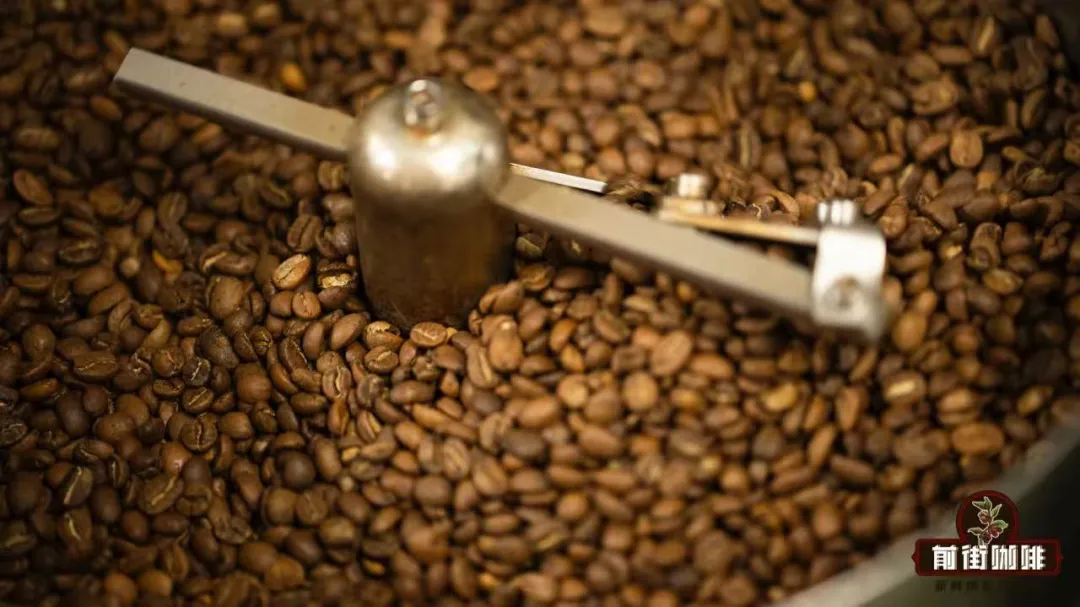
The reason is that a medium roast reduces the bean density and extraction threshold, making flavor compounds easier to release. If you still use the original extraction parameters, you’ll extract too much from the coffee, leading to intensified bitterness and unpleasant sensations. Therefore, it’s recommended to adjust two key parameters for medium-roasted espresso beans: first, slightly lower the water temperature to 90°C, and second, coarsen the grind size—adjust it to about 70%–75% through a #20 sieve—to reduce the contact area between coffee grounds and water, thereby controlling extraction efficiency.
With these adjustments, you’ll avoid the risk of over-extraction while extracting a more balanced and rich coffee flavor. Compared to the bright, acidic-sweet profile of light roast beans, the medium-roasted Huila will present a more solid profile when poured over, with a richer flavor layering. Beyond its original floral and fruity notes, you’ll also perceive the mellow aftertaste of chocolate and caramel, resulting in a smoother overall mouthfeel and a longer-lasting finish.
The same parameter adjustments also apply to other similar medium-roast espresso beans, such as those with strawberry candy flavors. Recommended parameters are as follows: 15 grams of coffee, water temperature controlled between 88°C and 90°C, maintaining a 1:15 brew ratio, using a grind size of about 70%–75% through a #20 sieve, employing a three-stage extraction method, with a total extraction time of about 2 minutes. Using these parameters for pour over can fully showcase the aromatic characteristics of strawberry candy espresso, with flavors centered around cream, chocolate, strawberry, and blueberry. The balance of acidity, sweetness, and bitterness is achieved, resulting in a rich mouthfeel and a long, smooth aftertaste—perfect for coffee lovers who enjoy bold flavors but prefer the pour over experience.
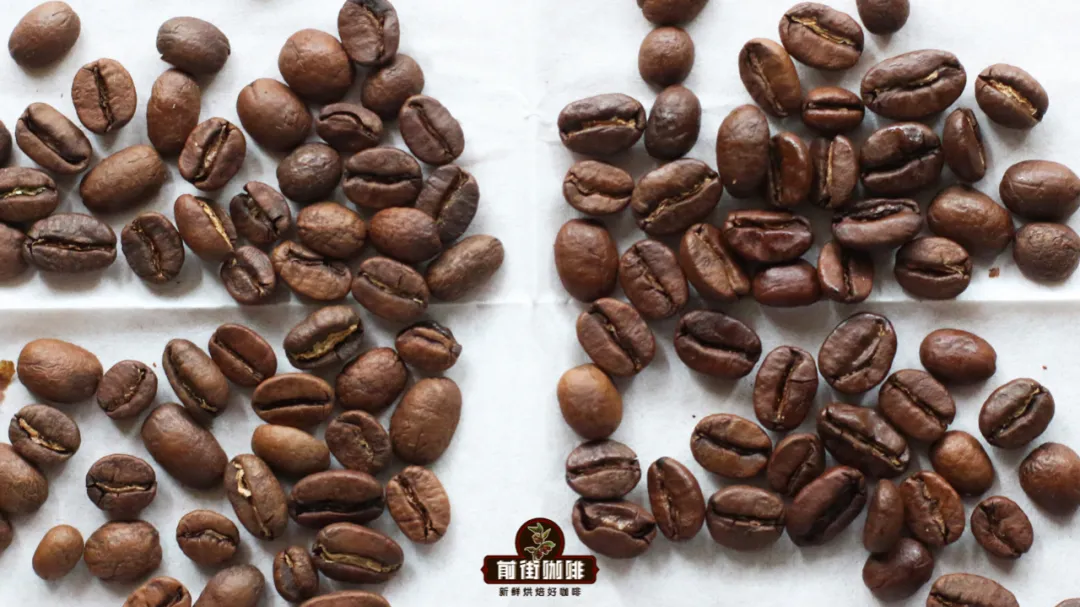
If your espresso beans are roasted even darker—approaching the dark roast range—it’s recommended to make further adjustments: lower the water temperature to between 86°C and 88°C, and coarsen the grind size even more to avoid over-extraction due to excessive extraction efficiency. Over-extraction not only makes the coffee taste bitter but may also introduce unpleasant smoky or carbonized notes, negatively impacting the overall drinking experience.
In summary, although espresso beans are originally designed for espresso machines, by mastering the correct pour over parameters, you can still extract surprisingly delightful flavors. The key lies in understanding how roast levels affect extraction, and flexibly adjusting water temperature, grind size, and brew time according to the actual beans to ensure every cup of pour over coffee showcases its best qualities.
The above content is compiled by CoffeeHunters, a coffee news website.


