







Introduction:Oil-washed coffee is an innovative technique that combines fat with coffee. Through the transfer of aromatic compounds from the fat, it imparts a smoother, silkier mouthfeel and a more layered flavor profile to the coffee. This article will delve into the principles behind the oil-washing method, covering everything from ingredient selection and ratio adjustment to step-by-step practical operations. With examples such as butter-oil-washed Golden Mandheling and coconut oil-washed cold brew, we provide detailed brewing processes and practical tips. Whether you're DIYing at home or seeking to understand the logic behind café signature drinks, you’ll find valuable insights here.
The oil-wash method originated from cocktail-making techniques and has been introduced to the coffee world in recent years, gradually becoming one of the ways specialty coffee enthusiasts explore new flavors. This technique primarily leverages the difference in freezing points between fats and other liquids to extract and integrate aromatic compounds from the fat into the coffee, thereby creating a smoother and more complex beverage flavor.
This innovative processing method not only enhances the smoothness of the coffee but also gives it unique aromatic characteristics. Next, we will break down the background, material selection, operational steps, and practical examples of the oil-wash method step by step, offering practical advice to help readers master this technique.
Beyond the common milk-washing approach, the oil-wash technique provides another possibility for flavor adjustment. As the name suggests, oil-washed coffee involves introducing fat during the brewing process, thereby altering the final aroma and mouthfeel of the coffee. Many netizens have recently come across the term “oil-washed coffee” on social media—it refers precisely to this innovative practice of using fat in the extraction process.
The core of oil-washing lies in utilizing the physical properties of different substances, especially differences in freezing points, to transfer and blend aromas. This technique is not only flexible and versatile but can also unlock the hidden flavor potential of coffee beans, making it well worth exploring and practicing.
The so-called oil wash, fully known as the “oil-wash method,” was originally a technique for extracting aroma from fats and transferring it to other liquids. It was first applied in perfume production, with prototypes of “fat separation methods” appearing as early as the 18th century. In the culinary world, it was the cocktail industry that first adopted the method, with a bar in New York in 2007 being the first to use fat aroma extraction technology in spirits. It then gradually became widespread in the mixed drink field before eventually extending into coffee creation.
The oil-wash method places few restrictions on materials. As long as they meet the basic principles of being “edible” and “non-toxic,” almost any type of fat can be used. Whether it’s vegetable oil, animal fat, or even oily nut pastes, all can serve as material options for oil washing. The extraction targets are equally diverse—not limited to liquids or solids—anything capable of releasing aroma can become the target material.

The basic process of oil washing can be divided into three main steps: first, evenly mix the fat with the target material (such as coffee or spices), then place it in a low-temperature environment like a refrigerator to rest for several hours, and finally separate out the clarified liquid through filtration. The key principle is that the freezing point of fat is generally higher than that of other components. Under low temperatures, it will solidify preferentially. By filtering out the fat before the other components solidify, you can obtain a clear liquid rich in aroma.
When actually making oil-washed coffee, the ratio of fat to coffee may vary depending on the type of fat used and the desired intensity of flavor. It’s recommended to gradually experiment according to personal taste to find the combination that suits you best.
Before starting to make your own, there are a few key considerations to keep in mind. First, not all oil-washed cases involve directly treating the coffee. Some involve first oil-washing spirits and then blending the treated spirits with coffee. Therefore, when understanding oil-washed coffee, it’s important to keep an open mind and not limit yourself to a single form.
Secondly, the temperature control of the coffee liquid is extremely important. Many oil-washed coffee examples circulating online are based on cold brew coffee—for example, “coconut oil-washed cold brew.” However, if you directly use unheated cold brew for the process, the fat can quickly solidify due to the low temperature, affecting the extraction efficiency and final mouthfeel. Therefore, it’s recommended to moderately heat the cold brew or adjust the operation process to maintain an appropriate temperature before use.
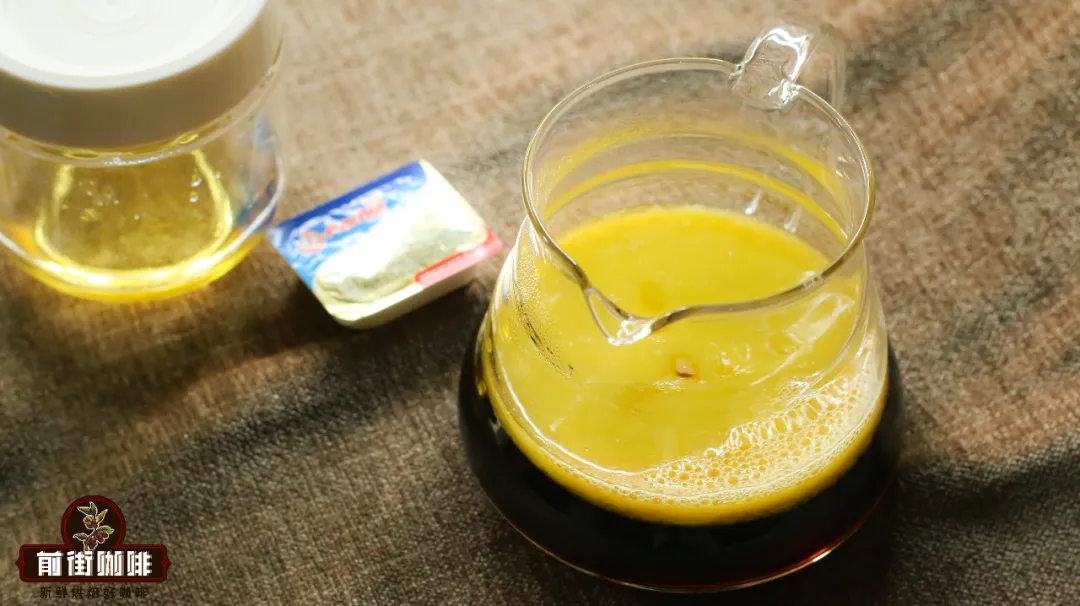
Additionally, certain fats such as butter are solid at room temperature. If used directly, they need to be preheated to melt or aided by a heat source during the process to effectively release the aromatic molecules, thereby improving extraction efficiency and flavor expression.

Next, we’ll illustrate the oil-washed coffee making process with a real case. This demonstration uses dark-roasted Indonesian Golden Mandheling coffee beans. The goal is to impart a soft milky note to the coffee by adding butter. The chosen butter-to-coffee ratio is 1:6, aiming to balance the aroma intensity and avoid the fat flavor overpowering the essence of the coffee.
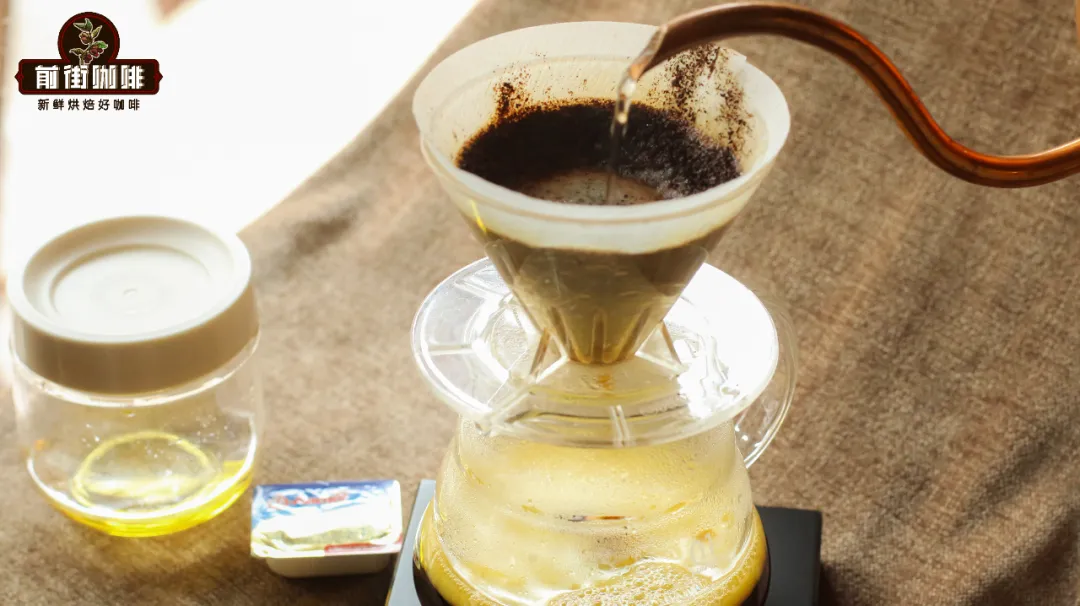
The coffee extraction parameters are set as follows: 15 grams of coffee grounds, a 1:15 coffee-to-water ratio, grind size similar to fine sugar crystals, and filtered through a No. 20 sieve to achieve 75% undersize with uniform coarseness. Water temperature is controlled at 89°C, with a total extraction time of about two minutes. If using hot coffee for preparation, you can directly add the butter to the server, allowing it to naturally melt during the brewing process. This step can be omitted based on actual circumstances.
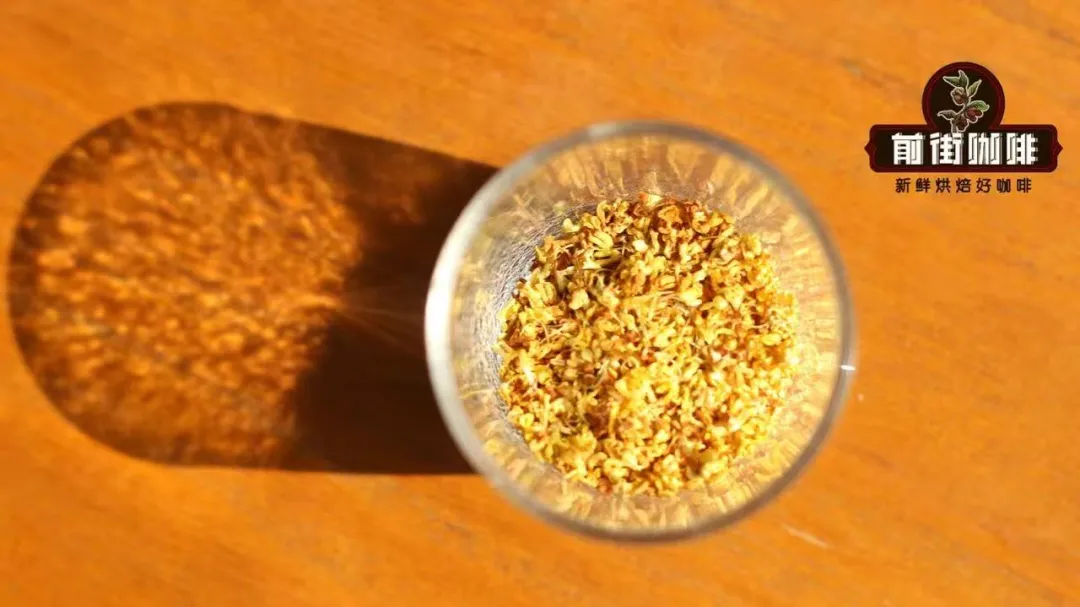
After extraction, the next step is to thoroughly mix the coffee and fat. If you have an electric mixer, you can stir until uniformly emulsified. If not, you can also pour the mixture into a sealed container, tightly close the lid, and shake vigorously. It is suggested that the longer the mixing time, the more pronounced the aroma fusion effect. Please note that if using hot coffee for mixing, wait for the coffee to cool to room temperature before proceeding to avoid high temperature affecting the stability of the fat.
After mixing, pour the liquid into a sealed container and refrigerate for at least two hours until the fat is completely solidified. In this demonstration, the author chose to refrigerate overnight to ensure optimal separation.
Once refrigerated, use filter paper and a filter cone to filter out the clarified coffee liquid, thus completing the basic preparation of oil-washed coffee. The filtering process may take some time, so it’s recommended to use multiple filter cones and filter papers simultaneously to improve efficiency.
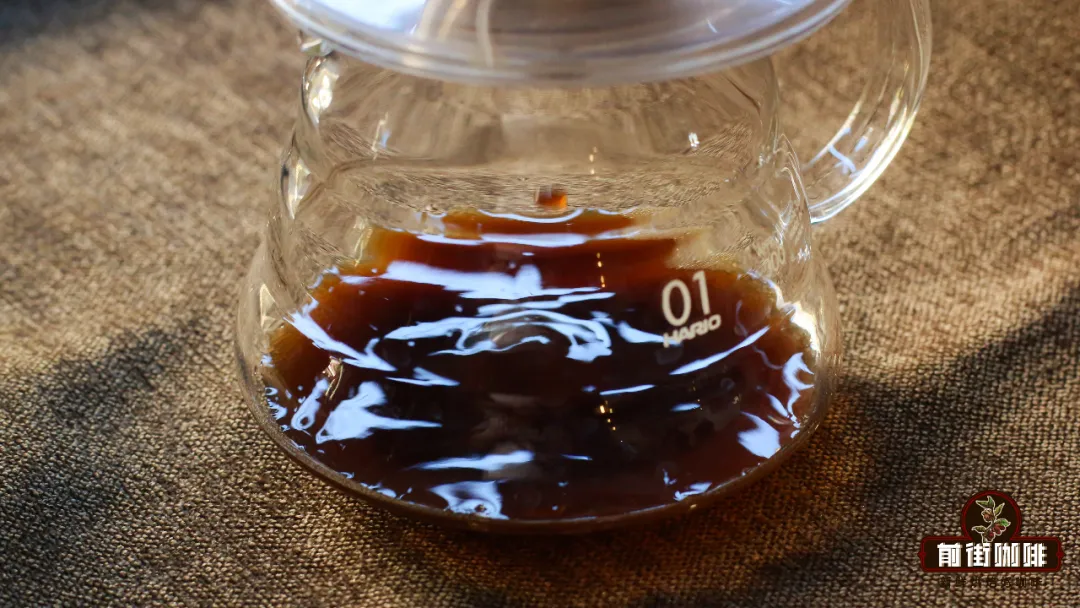
The final product doesn’t look much different from regular coffee in appearance, but the experience upon drinking is quite distinct. The addition of butter makes the overall mouthfeel significantly smoother—even with a dark roast bean, any noticeable bitterness is almost absent. In terms of flavor, in addition to the spice and chocolate notes inherent to Golden Mandheling, there’s also a subtle milky aroma from the butter, leaving a lasting impression.
In addition, the author also tried oil-washing cold brew coffee with coconut oil. The ratio was adjusted to 1:4 this time, aiming to enhance the coconut aroma while complementing the naturally rich character of the cold brew. During the operation, it’s necessary to moderately increase the coffee temperature to facilitate even blending of the fat. The overall flavor profile becomes richer, with a mellow and smooth mouthfeel, showcasing the diverse application potential of the oil-wash technique.
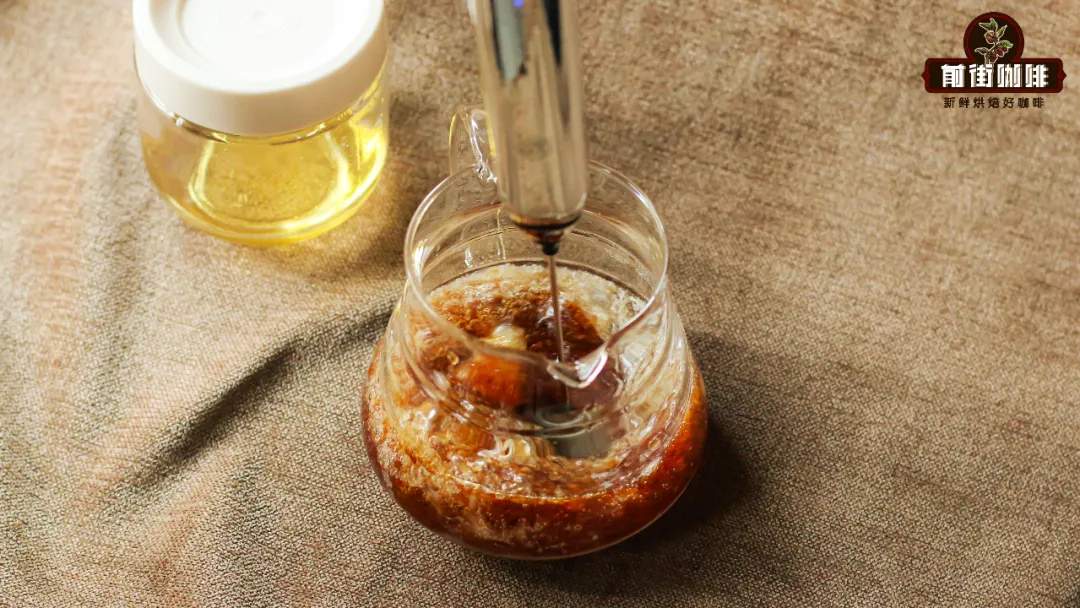
It’s worth mentioning that the fat left on the filter paper after filtering, having been in prolonged contact with the coffee, also absorbs a wealth of aroma. It can be used for cooking or other creative applications, not only enhancing the flavor of dishes but also fully leveraging the value of the materials.
Based on the above hands-on experience, the process of making oil-washed coffee may not be complicated, but each step contains key details. From material selection and ratio adjustment to temperature control, all can influence the final outcome. Coffee enthusiasts are encouraged to try it at home and explore their own unique oil-washed coffee flavor combinations.
The above content is compiled by CoffeeHunters, a coffee news website.


