







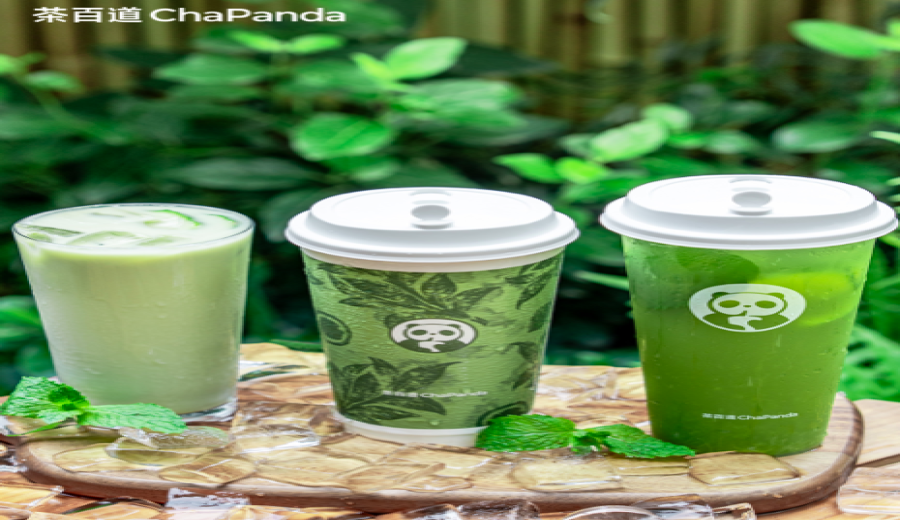
Introduction:After discontinuing its lychee milk tea, TeaBaa quickly launched an ice-sucking mint milk drink in collaboration with Frozen, incorporating elements such as fresh mint leaves, green grapes, lemon, and matcha. The drink attracted many consumers eager to try something new. However, this refreshing-themed collab beverage received mixed reviews due to the strong herbal taste brought by freshly squeezed mint juice. This article delves into the drink’s formulation, flavor profile, and market feedback to help readers determine whether this seasonal limited edition is worth trying.
TeaBaa’s previously popular lychee milk tea was gradually removed from stores as the lychee season ended. To continue offering customers cool options, the brand swiftly introduced two new milk tea products, among which the Frozen-collaborated “Ice-Sucking Mint Milk” quickly became the center of attention due to its mint elements and themed merchandise.
This Ice-Sucking Mint Milk features fresh mint leaves as its main highlight, blended with green grapes, lemon, matcha liquid, and milk. According to information, the preparation involves first juicing fresh mint leaves together with green grapes, then mixing lemon juice, matcha liquid, milk, and the mint juice with a tea base, followed by shaking to complete the drink. Judging by the ingredients alone, the selection leans towards natural and refreshing, but the actual drinking experience fell short of expectations.
Many consumers reported that they did not feel the "cooling refreshment" as advertised. Instead, the grassy smell from freshly squeezed mint leaves gave a sensation akin to chewing on raw grass. Some joked that drinking it felt like turning into a cow grazing on a pasture, with the strong herbal taste leaving many who expected a refreshing mint coolness deeply disappointed.
Especially for customers who were originally expecting the "drinking an air conditioner" level of coolness,this mint milk not only failed to deliver a comfortable chill,but also created an unbalanced taste experience due to the overly intense minty herbal flavor and a slightly bitter aftertaste. Some users who prefer artificially flavored mint noted that they are more accustomed to the scent of mint candies or flavored drinks, rather than the direct impact of fresh mint leaves.
In addition, the drink combines the sourness of lemon, the astringency and slight bitterness of matcha, along with the richness of milk, resulting in a complex interplay of multiple flavors. Some netizens commented that this beverage feels like “drinking a sip of life’s ups and downs,” with various tastes clashing against each other and overwhelming the taste buds. Moreover, many consumers bluntly stated thatthe combination of lemon and milk is quite jarringand affects the overall smoothness of the drink.
Reviews on social platforms regarding this collab beverage were mostly negative, with common complaints including “the mint flavor isn’t refreshing but rather overpowering,” “the lemon flavor is added in an uncoordinated way,” and “the overall taste feels like drinking grass juice.” Many customers who went specifically to try it expressed disappointment, believing the product “combines the flaws of mint, lemon, and matcha without offering any highlights.”

However, a small number of consumers still hold moderately positive views of the drink. They believe that fresh mint leaves carry a natural plant aroma and, although different from typical commercial mint drinks, still hold some appeal for those who enjoy authentic herbal flavors. These users said that while it’s not something they’d be particularly fond of, it’s fairly acceptable, and they consider the polarized reviews to be a normal occurrence.
Overall, TeaBaa’s collab mint milk does demonstrate a certain level of creativity in both concept and ingredient use, especially with its approach of combining a popular IP with fresh fruits and vegetables, showcasing the brand’s determination to break new ground. However, in terms of actual flavor performance and consumer feedback,the use of freshly squeezed mint juice requires more refined blending; otherwise, it can easily result in a drink that’s overly dominated by grassy taste, becoming a “grass juice beverage.” For consumers looking to try something new, it’s recommended to first consider your own tolerance for herbal flavors before deciding whether to give it a go.
The above content is compiled by CoffeeHunters, a coffee news website.


