







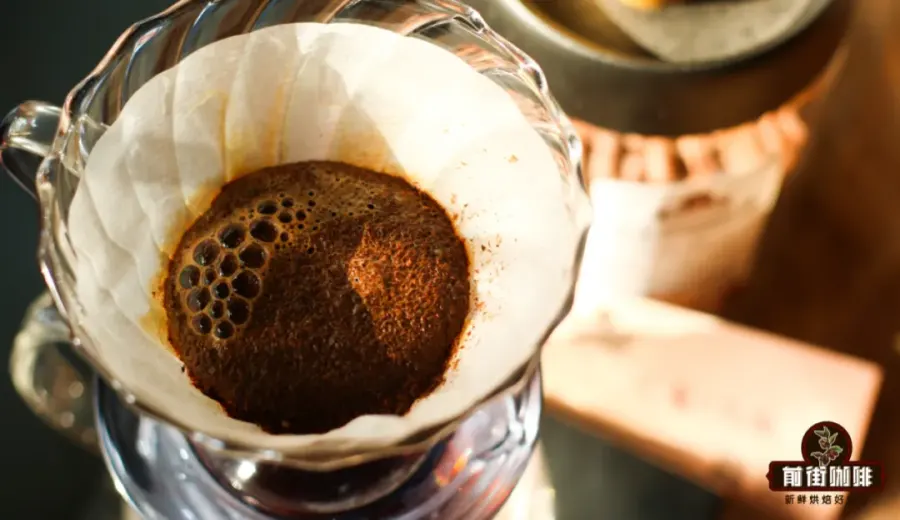
Introduction:The brewing time in pour over coffee is one of the key factors that influence flavor, but is 2 minutes really the perfect standard? This article takes an in-depth look at the relationship between brewing time and flavor, explores why 2 minutes is often used as a reference, and explains how to adjust water temperature, grind size, and pouring techniques based on the characteristics of the beans. Using examples like light-roasted Huakui and Guodingding, we’ll guide you through mastering the skill of flexibly adjusting parameters to achieve your ideal strength and layered profile.
Pour over enthusiasts often get stuck on one detail: why does my brew always take longer than 2 minutes? Or why does it start to taste bitter before all the water has even filtered through? In reality, brewing time is indeed a crucial parameter affecting coffee flavor, but it’s not the only determinant. By coordinating variables such as water temperature, grind coarseness, and pouring technique, you can still produce great-tasting coffee even if the time varies slightly.
Brewing time refers to the total duration that coffee grounds are in contact with hot water. All other conditions being equal, the longer the time, the more soluble substances the water extracts—but it’s important to note that this “more” must remain within a reasonable range.Under-extraction results in a thin and dull cup, while over-extraction brings out bitterness and off-flavors.. Therefore, finding the balance point in the coffee-to-water contact time is essential.
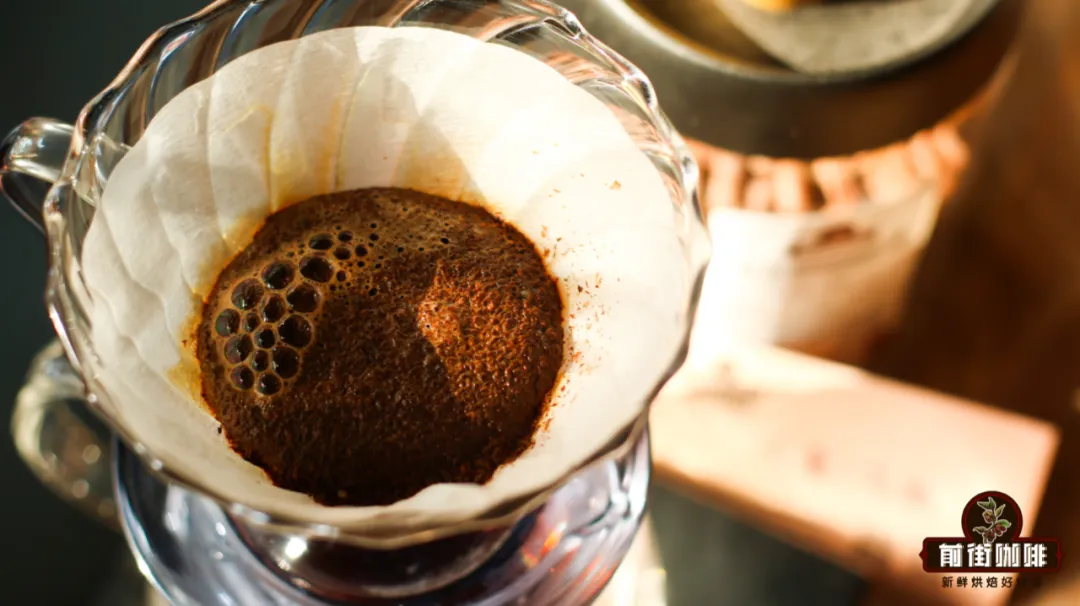
Many beginners strictly time their brews, hoping to replicate the commonly recommended “2-minute” mark. But why 2 minutes? This actually comes from an empirical value under a specific set of parameters: for example, using 92°C water, a medium-fine grind (about 80% through a #20 sieve), a 1:15 coffee-to-water ratio, and a three-pour technique. Under these conditions, most light-roasted beans will exhibit bright acidity and complexity within this time frame. However, if your beans are denser or roasted darker, rigidly adhering to 2 minutes might lead to uneven extraction.
Take the classic Ethiopian Huakui as an example. When using the above parameter setup,a 2-minute brew can bring out clear notes of berries and citrus, with a clean aftertaste reminiscent of oolong tea. If you shorten it to 1 minute 30 seconds, the coffee may taste thin and flavorless; if you extend it to 2 minutes 40 seconds, bitterness and off-flavors become noticeably stronger. But these results are based on specific conditions—actual brewing should involve flexible adjustments based on the condition of the beans.
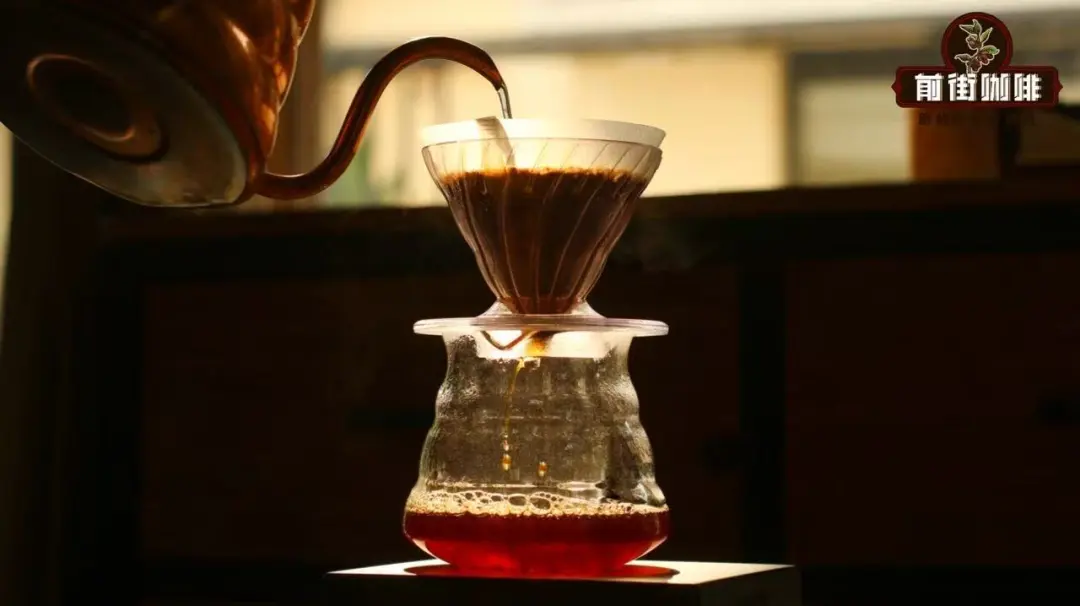
It’s worth noting that dark roasts or high-density bean varieties may need to go beyond the 2-minute framework. For instance, Guodingding from Yirgacheffe, which appears on some café menus, may complete brewing around the 2-minute mark using the same parameters, but the flavor often ends up lacking in body—this is due to its harder bean texture and light roast nature, which makes it harder for flavor compounds to be released. In such cases, you canincrease the water temperature to 94°C, switch to a finer grind (close to the channeling threshold of a V60), or increase the number of stirring motions during the central pourto enhance extraction efficiency. If needed, extending the time to between 2 minutes 15 seconds and 2 minutes 30 seconds can still maintain balance.
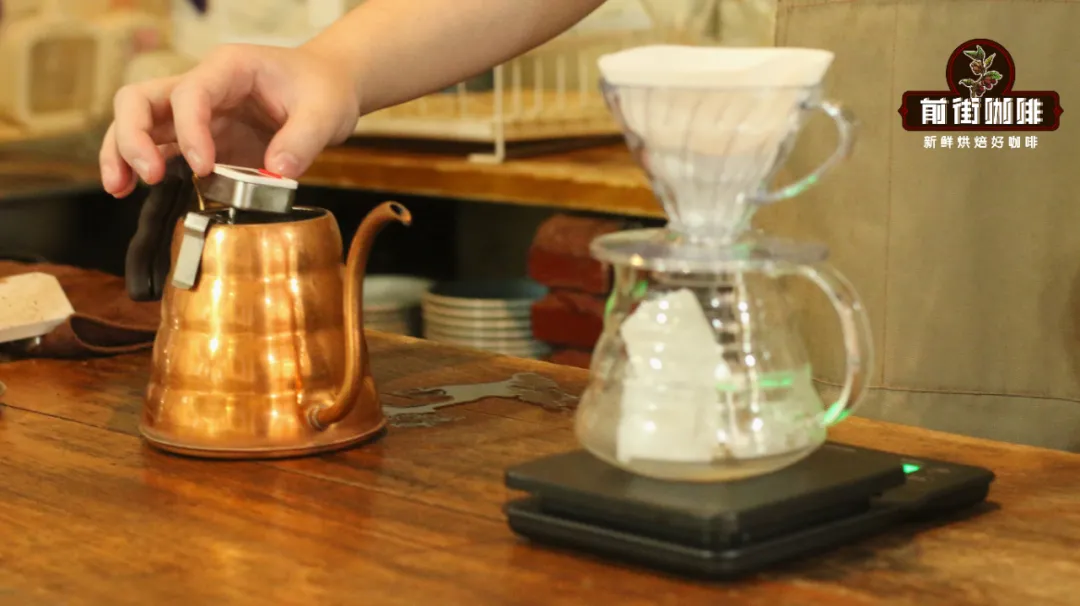
If you want to maintain a total brew time of 2 minutes but improve under-extraction issues, you can try the following adjustments: use a cone-shaped filter to enhance the wetting effect during the bloom phase; switch from a three-pour method to more frequent central pours; or slightly extend the duration of the second pour. On the other hand, if you frequently exceed 2 minutes, consider checking whether your grinder setting is too fine, if the filter’s drainage channels are clogged, or try using larger-pore filter paper to speed up water flow.
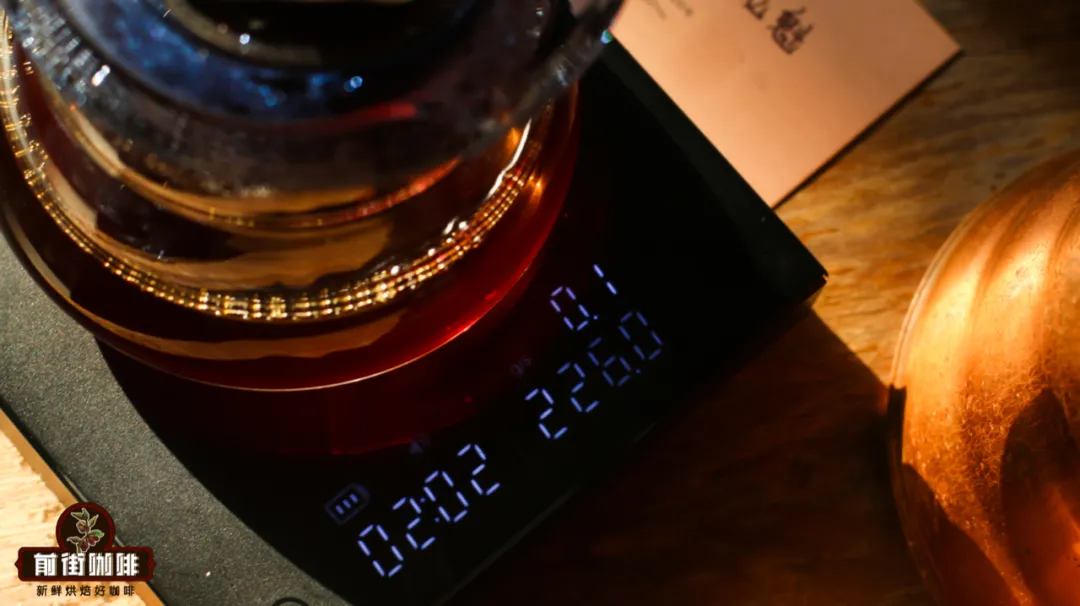
In summary, 2 minutes is more of a reference benchmark than an absolute standard. What truly matters is observing the actual performance of the coffee—including flow rate, color changes, and the final flavor presentation. When you find that the brewing time deviates from expectations, it’s often more effective to adjust related parameters like water temperature, grind size, and pour rhythm, rather than obsessing solely over the exact timing. Remember, consistently good coffee comes from the synergy of overall parameters, not the perfect hit of a single metric.
The above content is compiled by CoffeeHunters, a coffee news website.


