








Introduction:Choosing the right grinder is the first step to brewing great coffee, but with options ranging from hand-cranked to electric and various burr types, many beginners often don’t know where to start. This article will delve into the suitable scenarios and budget recommendations for both hand-cranked and electric grinders, and provide a detailed comparison of flat, conical, and stepped burrs—including their grinding principles and impact on coffee flavor—to help you make the most suitable choice based on your needs.
The market offers a wide variety of grinders, from simple models priced at just a few dozen yuan to professional-grade equipment costing tens of thousands. Whether hand-cranked or electric, flat or stepped burr—beginners are often overwhelmed and unsure how to choose. This article will guide you through the characteristics of different types of grinders from three main aspects: power source, price range, and burr design, helping you find the most suitable grinding tool based on your usage habits and budget.
First, looking at the type of power, grinders can be divided into two main categories: hand-cranked and electric. Hand-cranked grinders rely entirely on manually rotating the handle on top to drive the burrs, requiring no electricity, so the body is usually more compact and portable. For those who are just starting out with coffee, have a limited budget, or frequently travel and need to brew coffee in various settings, a hand-cranked grinder is an economical and practical choice.
In contrast, electric grinders rely on a built-in motor to drive the burrs, offering fast and labor-saving grinding, making them particularly suitable for users who brew a fixed large amount of coffee daily, such as in home or office environments. However, due to their built-in motors, electric grinders are generally larger in size and require a power connection, making them less flexible than hand-cranked models. If your usage scenario is fixed and you want to save time and effort for each grind, an electric grinder would be the more suitable option.
In terms of budget planning, the price range of grinders on the market is extremely wide, from just a few dozen yuan to tens of thousands. Generally, models for home or personal use mostly fall between several hundred to a thousand yuan. If your budget is more generous, choosing an electric grinder can usually offer more stable grinding performance and user convenience, but the prerequisite is that the price reaches a certain level—typically it is recommended to opt for models above a thousand yuan to clearly experience the advantages of electric grinders in precision and durability.
If you choose a hand-cranked grinder, it can be divided into four main budget ranges: 200–499 yuan is considered entry-level, suitable for beginners just getting into coffee. Models in this price range can already provide basic control over grind particle size; 500–799 yuan is the mid-range category, with upgraded burr and bearing materials, offering better grind quality and durability; 800–999 yuan is the high-end hand-cranked category, though the actual user experience doesn’t differ much from the mid-range. Hand-cranked grinders above a thousand yuan usually show significant improvement in detail and overall experience—if your budget allows, you can directly choose a model in this price range that you like.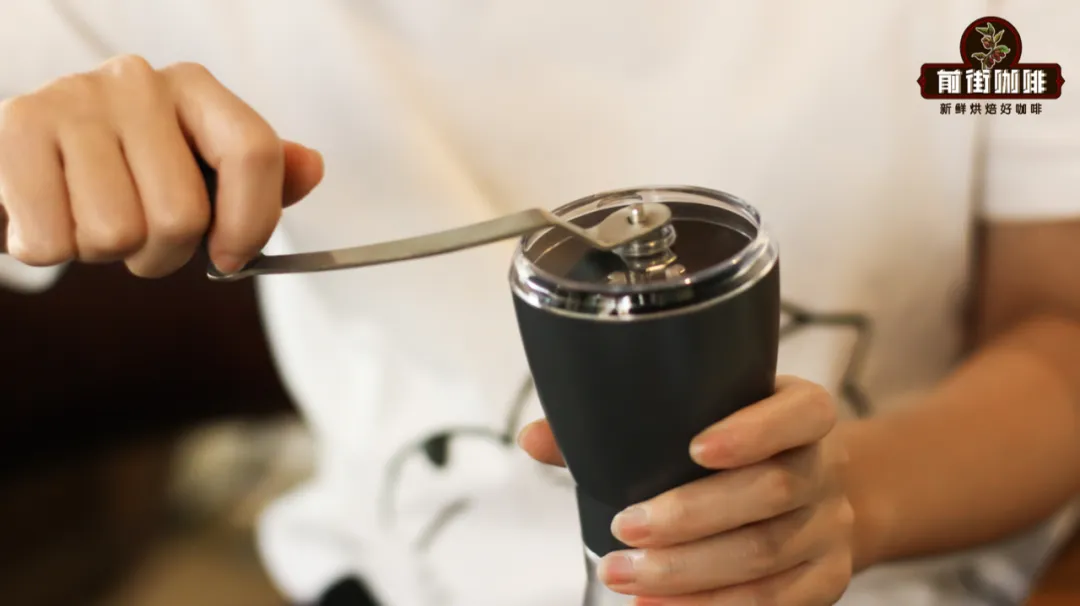
As for electric grinders, if your budget is around several thousand yuan, it is recommended to consider high-cost-performance models priced under four thousand yuan, such as common entry-level commercial or home electric models. These devices already offer decent performance in grinding precision and ease of operation. However, it’s important to note that most electric grinders are designed for a single brewing method, such as espresso or pour over, and the grind size requirements for the two differ greatly. Be sure to confirm the intended use of the model before purchasing to avoid poor flavor or the need for returns or exchanges due to misuse.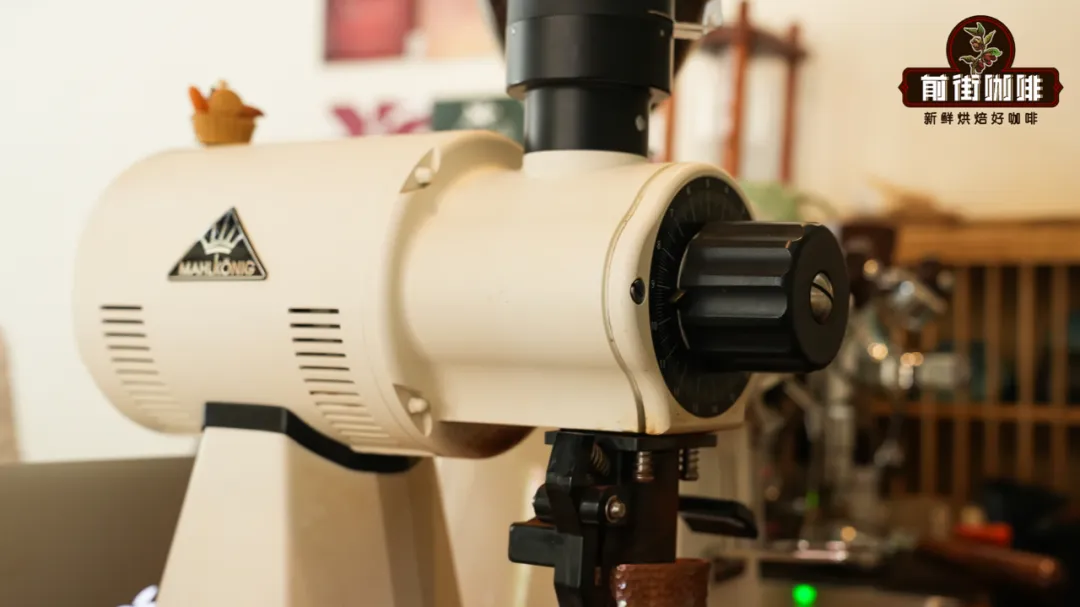
Beyond power and price, burr design is also a key factor influencing coffee grind quality and flavor. The most common types of burrs on the market are flat, conical, and stepped, and due to differences in structure and grinding methods, they result in variations in coffee particle shape and particle size distribution, which in turn affect extraction efficiency and final flavor expression.
Flat burrs are the most common type. Their grinding principle is mainly “shearing”—as coffee beans rotate, they are sliced into flakes or chunks by the sharp metal edges, resulting in a higher proportion of fine particles. These particles, due to their larger surface area, extract flavors more efficiently when in contact with water, quickly releasing flavor compounds, making the coffee taste richer and more layered. However, this also comes with a higher risk of over-extraction, releasing excessive bitterness or off-flavors.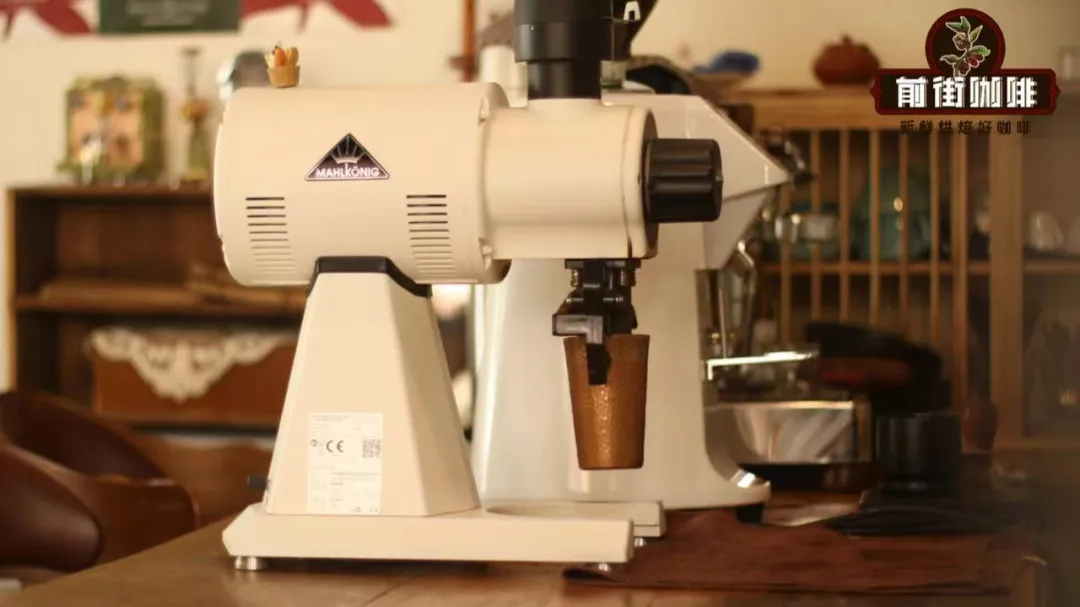
Conical burrs employ a “crushing” grinding method, where coffee beans are ground into less uniform chunky particles as they rotate within the burrs, with a relatively lower proportion of fine particles. Because the particles are larger in volume and more tightly structured, water penetration is slower, helping to reduce the risk of over-extraction and leading to more stable extraction—making them suitable for coffee lovers who prefer a cleaner or lower-acid profile.
Stepped burrs are considered an improved version of flat burrs. Their basic structure still consists of two burr plates, but the blades are redesigned in a gear-like fashion, allowing for more even grinding of coffee beans and reducing compression and fine particle production. The particles produced by these burrs are mostly polygonal and roughly spherical in shape, with a more consistent particle size distribution, which helps improve extraction consistency and body. They are a favorite choice among many advanced pour over enthusiasts.
In summary, when choosing a grinder, you should comprehensively consider your usage scenario, budget range, and requirements for grind details. Whether you prefer the tactile feel of hand-cranking, the convenience of electricity, or are curious about the flavor variations brought by different burrs—as long as you choose based on your actual needs, you can find the most suitable grinding solution for yourself, laying a solid foundation for every cup of coffee.
The above content is compiled by CoffeeHunters, a coffee news website.


