







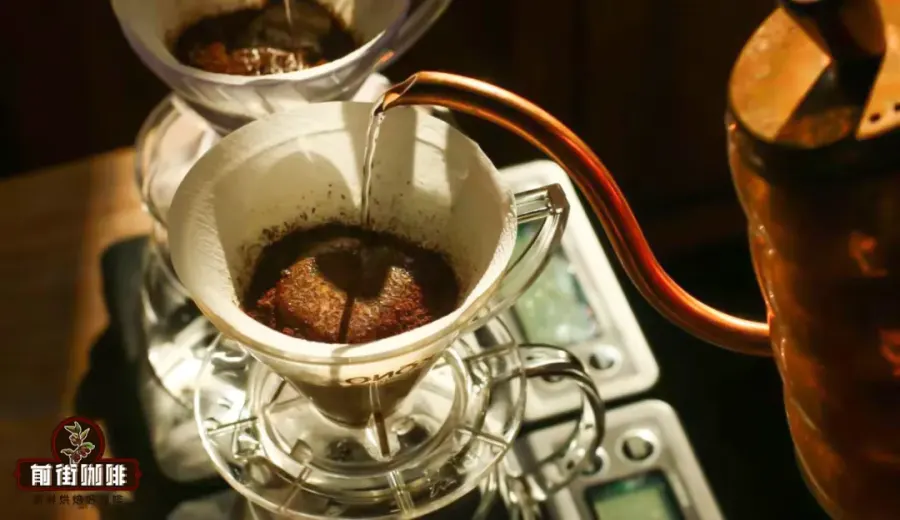
Introduction:Blooming is a crucial step in the pour over coffee process, but how significant is the difference between a 30-second and a 60-second wait? This article conducts practical tests using three coffee beans of varying freshness levels to compare extraction rates and flavor profiles at different blooming times, and delves into the impact of carbon dioxide release on extraction. It aims to help you master a more precise blooming timing and elevate the overall quality of your pour over coffee.
In the process of making pour over coffee, blooming can be considered the most fundamental yet extremely critical step. The common practice is to evenly pour a small amount of hot water over the coffee grounds before the main pour, letting it sit for about 30 seconds. This seemingly simple wait has a profound effect on subsequent extraction efficiency and final flavor. But many coffee enthusiasts wonder: would extending the blooming time to 60 seconds yield better extraction and a richer flavor profile?
This experiment used three types of coffee beans with different roast ages: freshly roasted beans at 3 days old, beans at the peak flavor window of 15 days, and aged beans stored for 30 days. Each type of bean was brewed using the same parameters, including15 grams of coffee,water at 92°C,a 1:15 coffee-to-water ratio, and using anEk43 grinder at setting 10, 20-mesh sieve with 75% sieving rate (equivalent to the coarseness of granulated sugar), with a three-stage pour and aided by a showerhead dripper to ensure consistent experimental conditions.
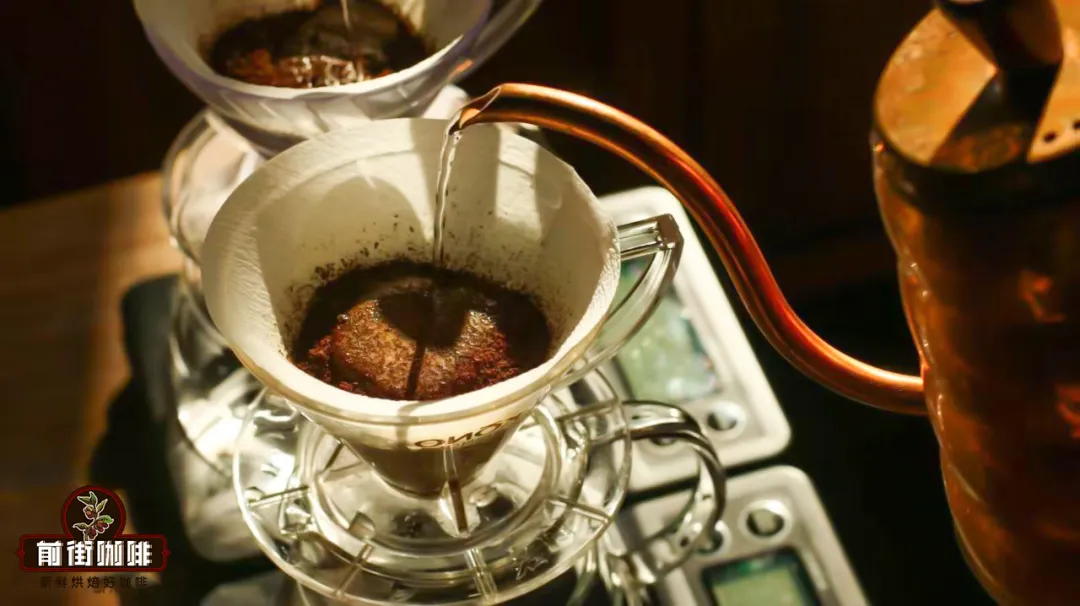
In the experiment, each type of coffee bean was tested with both 30-second and 60-second blooming times, and their extraction rates and actual flavors were evaluated. The results showed that all three groups had slightly higher extraction rates at 60 seconds compared to 30 seconds, though the differences were not significant:
• 3-day fresh beans: 19.95% extraction at 30 seconds, 20.33% at 60 seconds
• 15-day peak-flavor beans: 20.21% at 30 seconds, 20.49% at 60 seconds
• 30-day aged beans: 20.37% at 30 seconds, 20.58% at 60 seconds
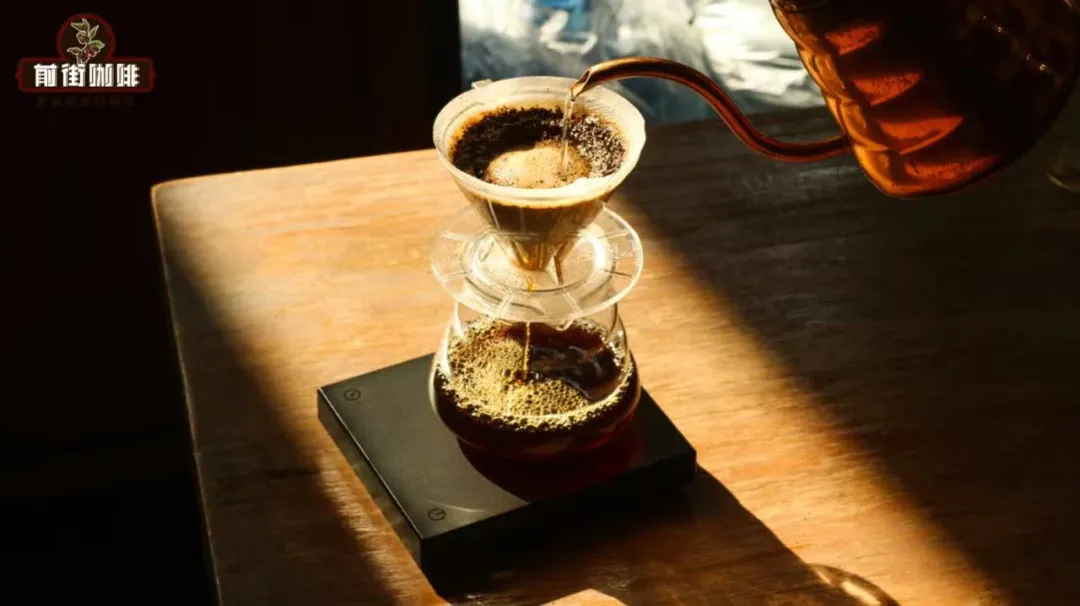
Interestingly, although the data consistently shows a slight advantage for 60 seconds, in actual tasting, only the difference between the two groups of 3-day fresh beans was easily noticeable to average drinkers—especially compared to no blooming at all, where the improvement from 30-second blooming was more evident. The change in flavor from extending from 30 to 60 seconds was relatively subtle and usually required a more sensitive palate to detect.

So why is blooming necessary for pour over coffee? The key lies in the release of carbon dioxide and pre-wetting of the coffee bed. During roasting, coffee beans accumulate a large amount of carbon dioxide, which is rapidly released when heated, impeding the penetration of hot water into the core of the coffee grounds and leading to uneven extraction. The blooming process uses a small amount of hot water to expand the coffee grounds, accelerate the release of carbon dioxide, and allow the water to uniformly penetrate the bed, laying a solid foundation for the subsequent main pour. This ensures that flavor compounds can be extracted more efficiently.
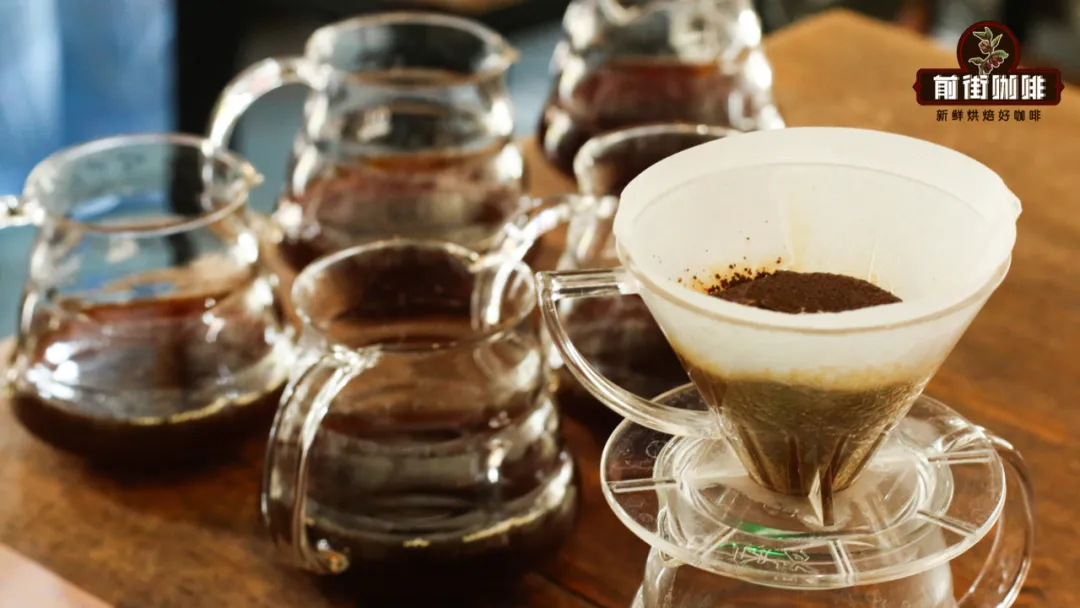
From the experiment, it can be observed that the most significant difference in extraction rates occurred in the comparison group of 3-day fresh beans—that is, the shift from 0 to 30 seconds of blooming. This is because freshly roasted coffee beans contain the highest levels of carbon dioxide, making the impact of blooming time most pronounced. As the beans age, the amount of carbon dioxide released decreases, and so does the benefit of blooming. Additionally, factors such as roast level, bean density, and the proportion of fine particles also influence the optimal choice of blooming time.
For beginners just starting with pour over coffee, it is recommended to start witha 30-second blooming time, which is a standard setting that balances flavor extraction and ease of operation. Provided that the coffee is evenly distributed and the pouring technique is stable, 30 seconds is generally sufficient for most coffee beans to achieve good pre-wetting and degassing, thereby improving overall extraction uniformity and flavor richness. Once you're familiar with the process, you can then adjust the blooming time further based on the characteristics of the beans to pursue more refined results.
The above content is compiled by CoffeeHunters, a coffee news website.


