







Introduction:Want to learn how to craft uniquely flavorful SOE (Single Origin Espresso) using single-origin beans? This article delves into the core concepts of SOE, taking you through everything from regional characteristics and roast levels to processing methods — helping you fully grasp key bean selection criteria. We also provide practical extraction parameters and fine-tuning tips. Whether you prefer bright fruity notes or rich, bold flavors, you’ll find suggestions for pairing the right single-origin beans and learn how to adjust your espresso, americano, and latte brewing methods based on different flavor profiles.
If you’re a coffee lover, have you ever wondered whether, aside from common blends, you can use single-origin beans to extract an espresso with even more distinct flavors? The answer is yes — this is the increasingly popular SOE, or Single Origin Espresso made with beans from a single origin.
SOE, short for Single Origin Espresso, literally means “espresso made from a single origin.” The emphasis lies in the “single origin” aspect. This means all the beans you use come from the same country, region, or even the same farm or processing facility, resulting in a purer, more recognizable flavor. Compared to traditional dark-roasted blends, SOE can showcase more distinctive acidity, fruitiness, or sweetness, allowing each shot of espresso to tell the story of its place of origin.
In the past, many coffee shops opted for dark-roasted blends to achieve a stable and bold taste in their espresso. While these coffees had intense flavors, their taste profile was often one-dimensional and sometimes carried burnt or woody notes. However, as specialty coffee has become more mainstream, an increasing number of consumers are seeking coffee experiences that better express regional characteristics, making SOE a favorite among many coffee enthusiasts.
So, how do you choose the right single-origin beans for making SOE? The key lies in three main aspects: regional characteristics, roast level, and processing method. These three elements directly influence the final flavor profile of the extracted espresso.
First, in terms of region, if you prefer bright, tangy, and fruity flavors with floral notes, African region sun-dried beans are your best bet — such as those from Ethiopia’s Sidamo, Yirgacheffe, and Guji areas. These regions’ coffees are usually best enjoyed via pour over or cold brew, and are typically roasted at a medium-light level. Using them directly for espresso can easily lead to uneven extraction, lack of crema, or overly sharp acidity.
To overcome such challenges, some experienced roasters specially adjust the roasting curve for these beans, offering SOE beans tailored for espresso extraction. For example, adjusted-roast SOEs like Huākuí (Flower Queen), Cháka, or Red Cherry can preserve bright flavors while improving the stability and complexity of the espresso.
If you prefer coffee with intense fruitiness and a rounded sweetness, then high-altitude beans from Central and South America are a great choice — such as those from Colombia, Panama, Costa Rica, Guatemala, and Peru. These regions’ beans are mostly medium-roasted, showcasing a balanced profile of caramel, nuts, and soft fruitiness. They suit various brewing methods and are more likely to present rich flavor layers in espresso.
Additionally, if you want to further enhance fruitiness and fermentation notes, consider single-origin beans processed with special methods like natural (sun-dried), honey, or anaerobic natural. For instance, Colombian Geisha processed with double anaerobic natural fermentation often yields an SOE americano with aromas of blueberry, passionfruit, and ripe grape. Meanwhile, Dàdùqí — another anaerobically processed Colombian bean — delivers a soft profile of orange, nuts, and milk candy when used in an SOE latte.
For those who dislike acidity and prefer low-acid, full-bodied, and well-balanced cups, it’s recommended to explore medium-to-dark roasted beans from Asia or South America — such as Brazil Cerrado or Colombia La Reina Estate. These coffees are usually medium-to-dark roasted, featuring low acidity and pronounced sweetness, making them ideal for producing smooth and easy-to-drink SOE espressos. Whether paired with milk or enjoyed black, they deliver consistent performance.
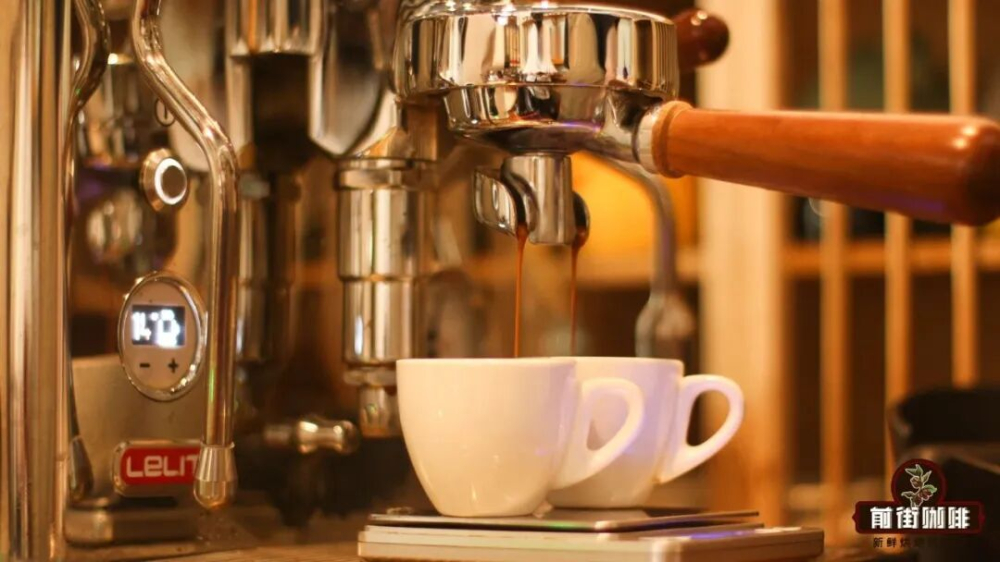
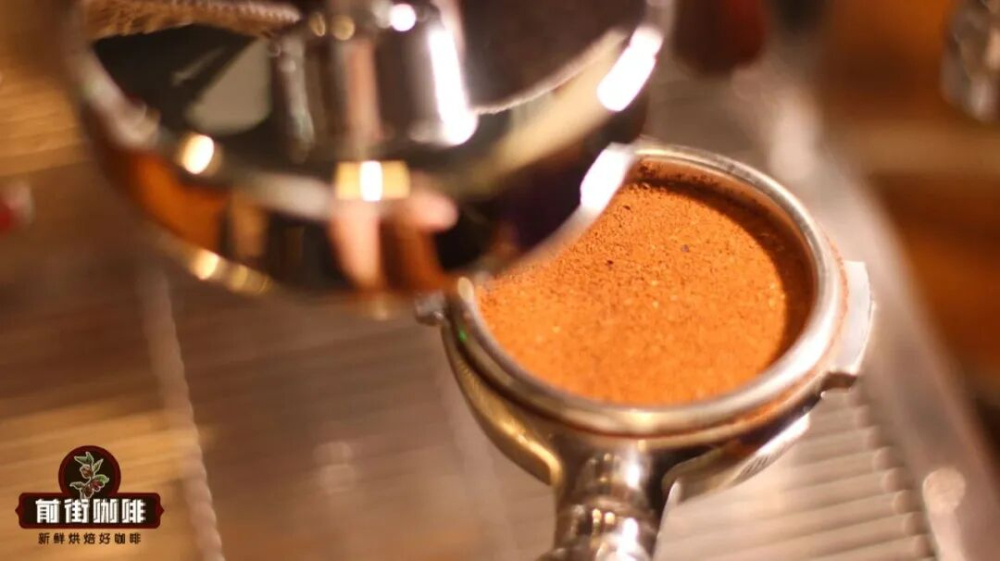
So, how do you extract a delicious SOE espresso? The principle is similar to that of regular espresso, with the key lying in controlling the coffee-to-water ratio, extraction time, and grind size. It’s generally recommended to use a 1:2 coffee-to-water ratio, with extraction time kept between 25 and 35 seconds. Grind size should be fine-tuned according to actual flow rate to ensure even extraction without over- or under-extraction.
For example, if using 20 grams of coffee grounds, aiming to extract 40 grams of coffee liquid, the ideal scenario is to complete the process within 25 to 35 seconds. If the flow is too fast and the time too short, it means the grind is too coarse and needs to be adjusted finer. If it approaches or exceeds 35 seconds, the grind may be too fine, so adjust coarser to stabilize the flow.
Since SOE is often used as the base for flavored coffee drinks like americano, latte, or flat white, after determining the basic extraction parameters, further adjustments should be made based on the flavor characteristics of the beans to fully bring out their potential.
For example, if you’re using a medium-light roasted Ethiopian sun-dried bean with floral, berry, and bright acidity notes, such beans can often result in thin crema or weak aroma in espresso. In this case, you can slightly increase the coffee dose — for instance, adjusting from 20 grams to 20.5 grams — while keeping the extraction time around 31 seconds. This will allow the americano to exhibit a crisper sweet-tangy profile, and the latte to achieve better harmony between coffee and milk due to the increased concentration of the espresso.
Conversely, if you choose a bean with intense fruitiness and fermentation characteristics — such as certain anaerobically processed single-origin beans — whose inherent sweetness and acidity are already quite prominent, you might consider increasing the extraction yield by 3 to 5 grams. This will make the espresso sweeter and the aftertaste more lingering. For an SOE latte, you can also reduce the milk ratio — for example, from 200 grams down to 160 to 180 grams — to make the coffee’s aroma stand out more.
Finally, if you’re using a medium-to-dark roasted bean but detect noticeable tire-like, charcoal, or smoky notes in the espresso, this is usually a sign of over-extraction. It’s recommended to reduce the extraction yield by 3 to 5 grams, which can effectively minimize undesirable aftertastes. On the other hand, if the espresso lacks aroma, has a short finish, or shows obvious sharp acidity, it may be under-extracted. In this case, try fine-tuning the grind to a finer setting and extending the extraction time by 2 to 3 seconds to enhance the overall concentration and balance of the espresso.
In summary, crafting an outstanding SOE espresso hinges on deeply understanding the characteristics of the single-origin beans you’ve chosen, and then making precise adjustments to roast, grind, and extraction parameters to fully showcase their unique flavor potential. With a grasp of the basic principles and fine-tuning techniques, you too can easily extract a stunning single-origin espresso — whether at home or in a café.
The above content is compiled by CoffeeHunters, a coffee news website.


