







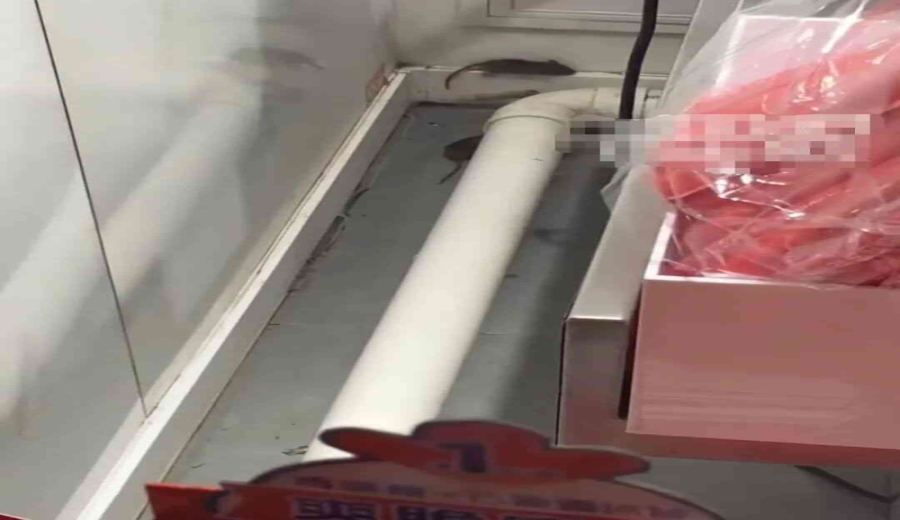
Introduction:When a well-known budget beverage chain, Mixue Ice Cream & Tea, was caught on camera at one of its Zhengzhou branches with rats scurrying through the piping, it not only raised consumer concerns about drink hygiene but also exposed often-overlooked pest control vulnerabilities in the chain restaurant industry. This article provides an in-depth look at the full scope of the incident—from the store’s response, to government investigations, to expert-recommended anti-rodent solutions—helping readers understand how to assess the hygiene management standards of beverage shops.
A video filmed inside a Mixue Ice Cream & Tea outlet in Zhengzhou, Henan, recently went viral on social media platforms, clearly showing several rats swiftly moving along wall pipelines. The footage quickly sparked heated online discussions, with keywords such as “tea shop hygiene standards” and “chain drink food safety” rapidly climbing search trend charts.
According to eyewitnesses, although employees noticed the rodent presence and immediately called colleagues to take a look, this action instead heightened consumers’ concerns about potential contamination of ingredients. Experts pointed out that,the presence of rodents in food preparation areasnot only risks direct contact with raw materials, but their droppings can also contaminate the production environment, thereby affecting beverage safety.
Faced with the public outcry, staff at the involved branch explained that the area has a high density of food and beverage outlets, making it difficult for conventional rodent prevention measures to completely block invasions. While emphasizing that they followed the company’s monthly hygiene audit standards, this explanation failed to quell public doubts. Notably, many netizens rationally pointed out that even five-star hotel kitchens can’t guarantee 100% rodent-free environments, butchain brands should maintain higher epidemic prevention benchmarks.
After the incident escalated, the branch manager publicly apologized and admitted to the oversight in pest prevention, immediately suspending operations to cooperate with rectification efforts. Specific measures included hiring a professional pest control company to disinfect the entire store, as well as installing hardware improvements such as rat-proof wire mesh and sealed door curtains. The store manager reflected that although basic daily cleaning procedures were followed, the incident revealed shortcomings in regularly inspecting details like pipeline gaps.
The Zhengzhou market supervision authorities subsequently announced the launch of a special inspection campaign. In addition to examining on-site rodent prevention facilities, they will focus on reviewing the hygiene management records of other branches under the brand. The regulatory body emphasized that according to food safety regulations,food and beverage establishments must inspect the effectiveness of rodent prevention equipment weeklyand maintain complete audit logs.
Industry experts suggest that consumers pay attention to five hygiene indicators at beverage shops: whether ingredients are stored at least 15 centimeters off the ground, whether trash bins are covered and cleared daily, whether there are cracks in walls or floors, whether exhaust vents are equipped with protective screens, and whether there are records of regular pest control. For frequently visited stores, observe whether staff wear neat uniforms and hairnets—these small details often reflect the rigor of management.
This incident serves as a wake-up call for the entire tea beverage industry, demonstrating that even high-traffic chain brands need to continuously strengthen grassroots hygiene training and facility maintenance. Businesses should adopt a “prevention is better than cure” mindset, integrating pest control into daily operational SOPs rather than relying solely on surprise inspections.
The above content is compiled by CoffeeHunters, a coffee news website.


