







Introduction:Luckin Coffee recently pulled eight new products launched in the past six months from its shelves, including Juicy Peachy Coffee and Iced Coconut Latte, and further instructed all its stores nationwide to pour unused and unexpired ingredients such as coconut jelly and mung bean-flavored fresh milk down the drain. This has sparked heated discussions among employees and netizens. Why are fresh ingredients being wasted? What inventory management challenges does the brand face behind its rapid menu updates? This article takes an in-depth look at the incident and the current state of the industry.
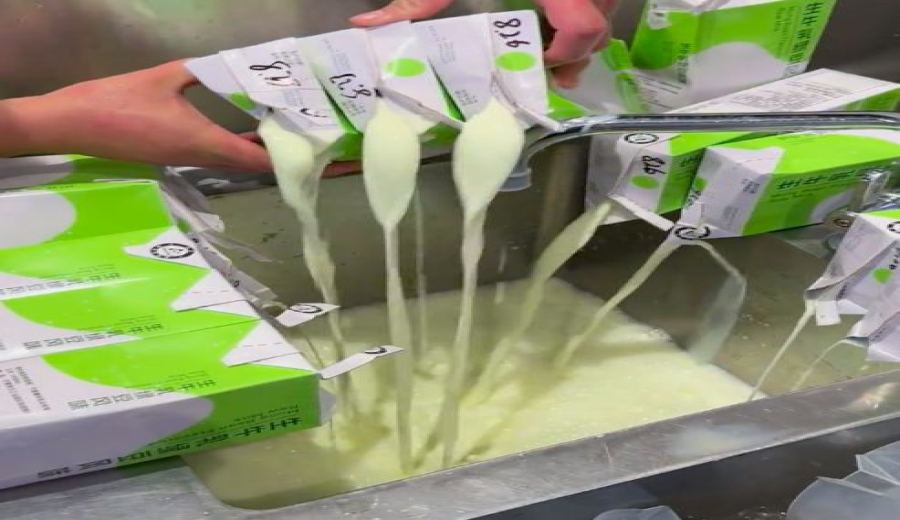
Walking into a Luckin store, employees are tasked with a special duty after closing: cutting open boxes of unopened coconut jelly and mung bean-flavored fresh milk and pouring the liquids inside down the sink one by one. This is not an isolated case, but part of the brand’s strategy to roll out new products like Milk Skin Latte and Iced Coconut Ramune. Before the new drinks hit the shelves, all stores are required to completely remove certain old items from their menus and destroy any remaining unused fresh ingredients.
According to an internally leaked delisting list, as many as eight beverages have been affected this time, including Juicy Peachy Coffee, Iced Coconut Latte, and Green Sandy Latte, most of which are new products launched within the last six months. In particular, Green Sandy Latte and Osmanthus Lychee Jelly, which were once co-branded with popular IPs, initially attracted consumer attention. However, as the campaigns ended and without follow-up promotions or discounts, sales quickly plummeted, leading to a huge backlog of ingredient inventory.
Notably, although the brand attempted to repurpose some ingredients — for example, using the coconut jelly from Iced Coconut Latte in Osmanthus Lychee Jelly as one way to reduce inventory — actual footage taken by employees shows that a large amount of ingredients still could not be effectively used up, ultimately facing the fate of being poured down the drain.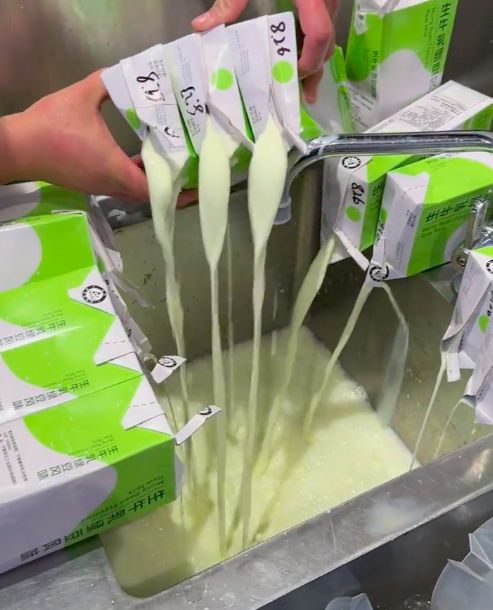
For veteran employees, such scenes have long become commonplace, and some are even adept at dealing with sewer blockages caused by fruit jam. However, for other colleagues or outside observers, seeing dozens of bottles of flavored milk still well within their best-before dates being discarded outright inevitably elicits cries of “What a waste!”
Netizen feedback shows that while most people can understand the destruction of expired materials for food safety reasons, requiring employees to throw away all unexpired, brand-new ingredients simply because certain drinks are being delisted has drawn strong criticism for both potential additional strain on sewer systems and blatant resource waste.
Industry analysts point out that it is common for chain coffee brands to regularly update their menus to maintain consumer freshness and competitiveness. However, Luckin’s large-scale move to destroy brand-new ingredients has led many to believe there is still room for improvement in the brand’s inventory management and ingredient utilization. Many voices suggest that the brand could consider providing unused ingredients for employee benefits or launching discount promotions for related drinks to naturally reduce inventory through increased sales, rather than resorting to such extreme measures as pouring them down the drain.
This incident not only highlights the inventory challenges faced by chain coffee operators under rapid product iteration but also reminds consumers to pay attention to the resource use and environmental impact behind the beverage industry. How to balance innovation and quality while also achieving sustainable operations and reducing waste will be a direction that Luckin and the industry as a whole need to continuously optimize in the future.
The above content is compiled by CoffeeHunters, a coffee news website.


