







Introduction:The Kono Drip Method is one of the most challenging techniques in pour over brewing. It was first developed in 1973 by the Kono family, founders of the Japanese brand Kono. Through its unique dripping and water flow control, it allows dark roasted coffee to showcase intense richness and high sweetness. This article provides a detailed breakdown of its historical background, equipment selection, parameter settings, and complete step-by-step operation, using real case studies to guide you through the refined pour over process of high concentration with low extraction—enhancing the flavor expression of dark roasted beans.
The Drip Method is considered one of the most difficult pour over techniques to master. Developed in 1973 by the founders of the Kono brand, its most distinctive feature is the special pouring method of dripping before flowing, which effectively extracts the full-bodied mouthfeel and rich sweetness from dark roasted coffee beans. By precisely controlling the rhythm of water droplets and combining it with specialized equipment and grind settings, this method achieves a more delicate extraction process—especially suitable for coffee enthusiasts pursuing the flavors of dark roasts.
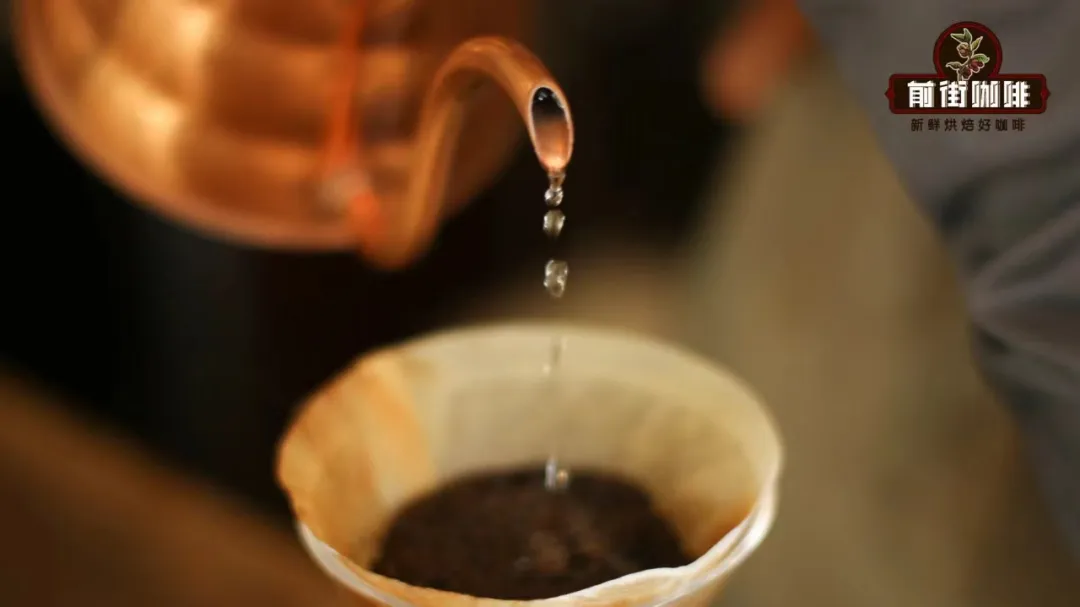
The Kono Drip Method originated from the ultimate pursuit of a full-bodied mouthfeel. At a time when market demand for dark roasted coffee was growing, the Kono family developed a filter cone and corresponding technique that could enhance richness and sweetness. This method starts by using water droplets to wet the coffee grounds—replacing the traditional bloom—then gradually transitions to a fine stream for the main extraction. This extends the overall extraction time, helping to release flavor compounds more fully.
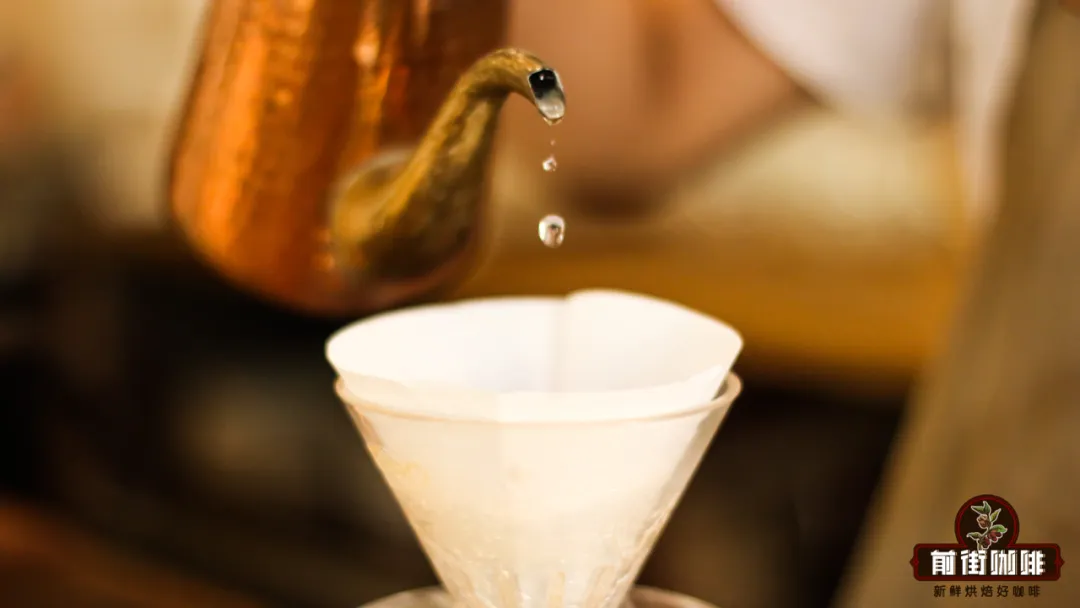
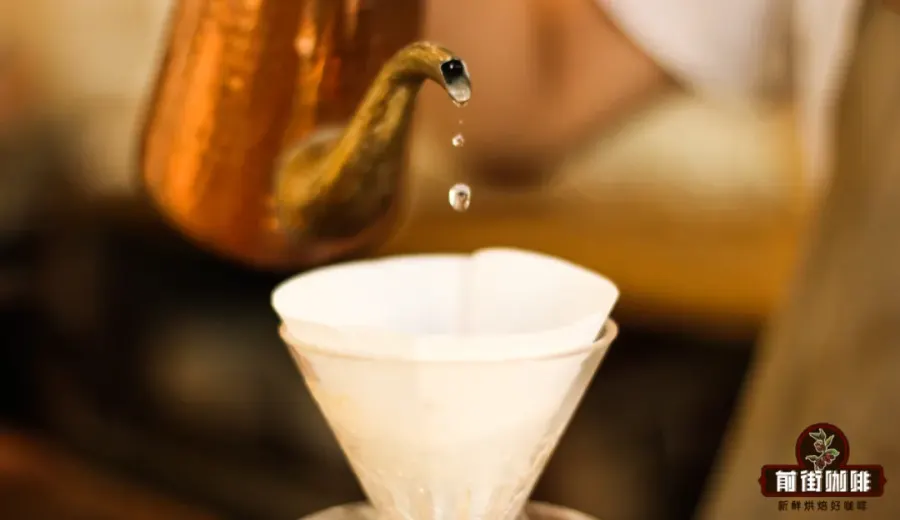
The entire operation can be divided into two main stages: the first is the drip bloom stage, where individual droplets of water evenly wet the coffee grounds to help release carbon dioxide and lay the foundation for subsequent extraction; the second is the main extraction stage, where the water flow transitions to a fine stream to gradually release the aromatic and sweet components in the coffee until the target water volume is reached. This segmented approach allows for more precise control over flavor extraction and reduces the risk of over-extraction.
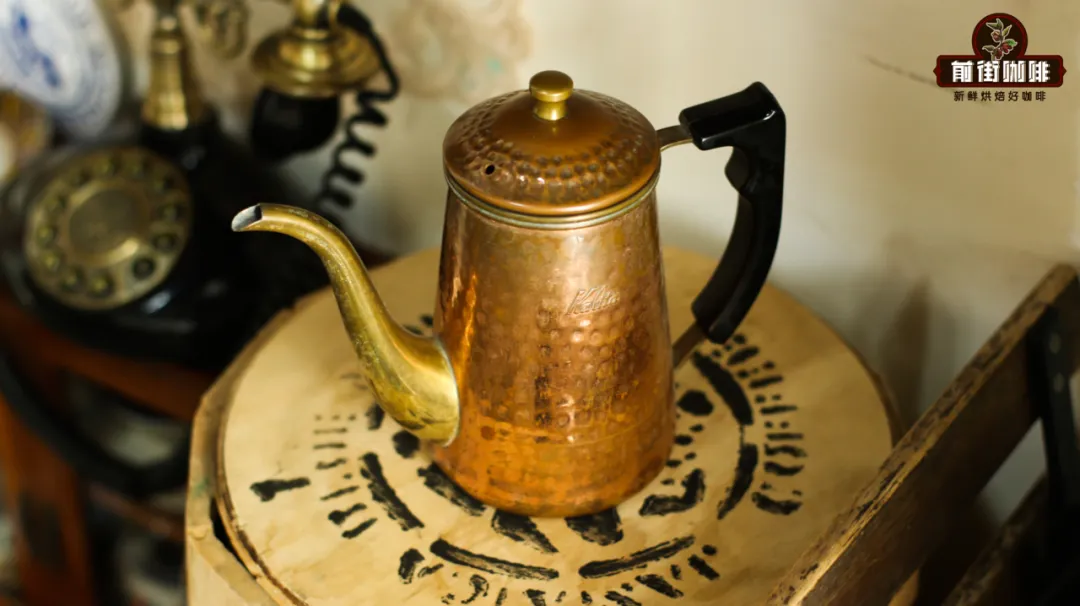
In practice, the Drip Method demands a high level of technical skill, especially in maintaining a stable drip flow over an extended period, requiring exceptional steadiness and patience. Tests show that just the dripping phase alone often takes about two minutes—if not executed skillfully, it's difficult to maintain even, splash-free droplets. Additionally, the commonly used gooseneck pour over kettle, designed for a thin and long water stream, is not ideal for this technique. It’s recommended to use a short-spout, wide-mouthed crane-neck kettle or a Kalita elephant nose kettle, which allows better control over the shape and placement of water droplets.

To gain a deeper understanding of the Kono Drip Method, the following uses a dark roasted Sumatra PWN Golden Mandheling as an example to illustrate the full operation process and key parameters. This coffee bean was chosen for its intense notes of chocolate, nuts, and spices—which can fully demonstrate the Drip Method’s advantages in enhancing sweetness and body.
Recommended parameter settings are as follows: 20 grams of coffee, ground with an EK43 grinder at setting 10.5—equivalent to approximately 70% extraction through a #20 sieve, yielding a granularity similar to that of fine sugar; a brew ratio of 1:12, with water temperature controlled at 90°C. This combination achieves a high concentration with a low extraction rate, balancing flavors while avoiding excessive bitterness from over-extraction. Subsequent bypass dilution further smooths and rounds out the overall mouthfeel. Note: There is no need to pre-wet the filter paper, as this allows observation of staining during the dripping process to determine whether the coffee grounds have been sufficiently saturated.
In actual operation, it is recommended to focus water flow on the center of the coffee bed during the dripping stage, allowing the droplets to naturally spread outward until the coffee grounds are fully saturated and expanded, and the filter paper shows uniform staining. Then transition to a fine stream for the main extraction. During this phase, start with a small stream, slowly circling around the center of the coffee bed. Pause once the water level approaches the surface of the coffee layer, letting the moisture fully penetrate before continuing. Repeat this about two to three times until about two-thirds of the target water volume has been added. Then switch to a larger stream, circling from the inside out before pouring the remaining water in one go.
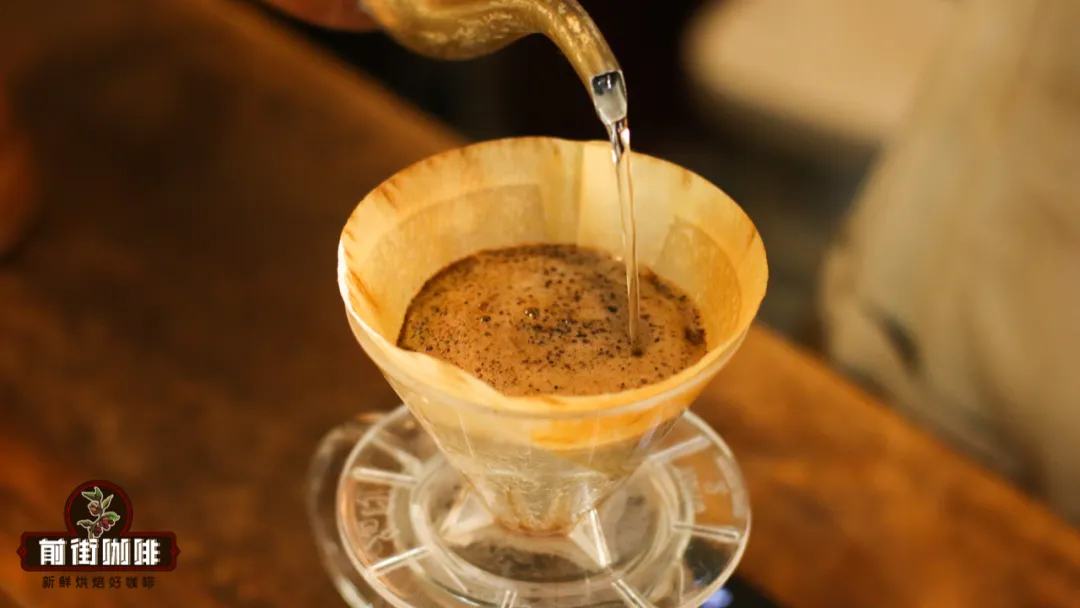
The total extraction time is approximately 3 minutes and 39 seconds. After completion, you may add around 40 milliliters of hot water based on personal taste to adjust the concentration. It is recommended to gently swirl before tasting. The dark roast coffee brewed using this method presents a more intense, full-bodied flavor profile, with pronounced notes of chocolate, nuts, spices, and pine, along with outstanding sweetness and noticeably reduced bitterness—offering a significantly different experience compared to conventional pour over methods.
Two points require special attention during operation: first, ensure the coffee grounds are spread in an even, flat layer to facilitate uniform water distribution; second, during the dripping process, try to keep the kettle spout as low as possible to minimize splashing and ensure a stable, controllable process. As long as these key points are mastered, even beginners can gradually appreciate the unique charm and flavor potential of the Drip Method.
The above content is compiled by CoffeeHunters, a coffee news website.


