







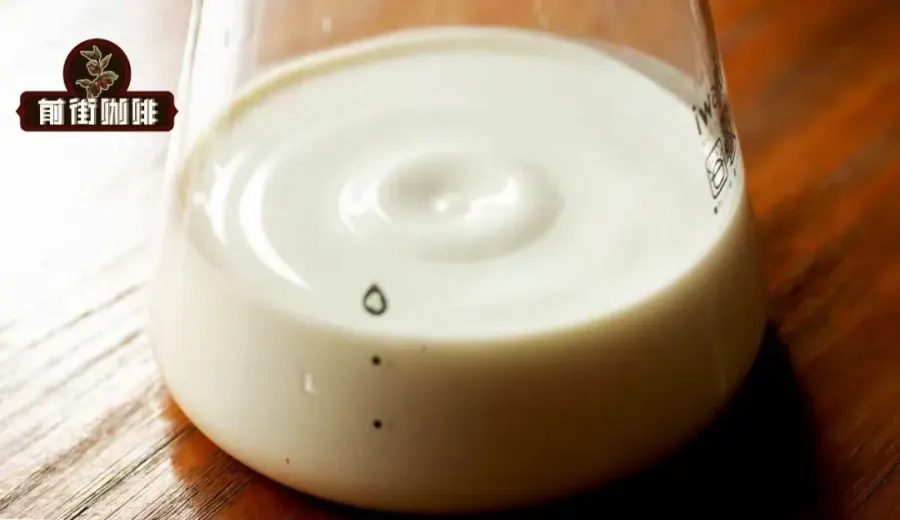
Introduction:In recent years, iced purified milk (冰博克提純牛奶) has become a favorite among specialty coffee enthusiasts. Its rich texture and velvety mouthfeel elevate the flavor of milk-based coffee drinks. This article details how to make high-concentration fresh milk at home using a simple freezing purification method, and provides an in-depth analysis of how it differs from regular fresh milk. It also offers brewing suggestions for common milk coffees such as Dirty and latte, including optimal ratios, coffee bean selection, and flavor pairing techniques to help you brew a professional-grade purified milk coffee with ease.
In recent years, iced purified milk has sparked a wave of enthusiasm in the coffee community. Many coffee lovers are curious about how this specially processed, high-concentration fresh milk differs from regular store-bought milk when used in milk coffee. Simply put, purified milk contains less water, resulting in a more concentrated milk aroma and a richer, fuller mouthfeel that brings out deeper flavor profiles in milk-based coffee.
If you don’t want to buy ready-made purified milk every time, you can actually make it at home. By taking advantage of the different freezing points of water and other components in fresh milk, you can easily increase the concentration of the milk through freezing and thawing steps. This article will fully explain the production process of iced purified milk, tips for controlling its concentration, and how to use it in classic coffee drinks like Dirty and latte. It will also recommend suitable coffee beans to help you easily create a rich yet not overly heavy top-tier milk coffee.
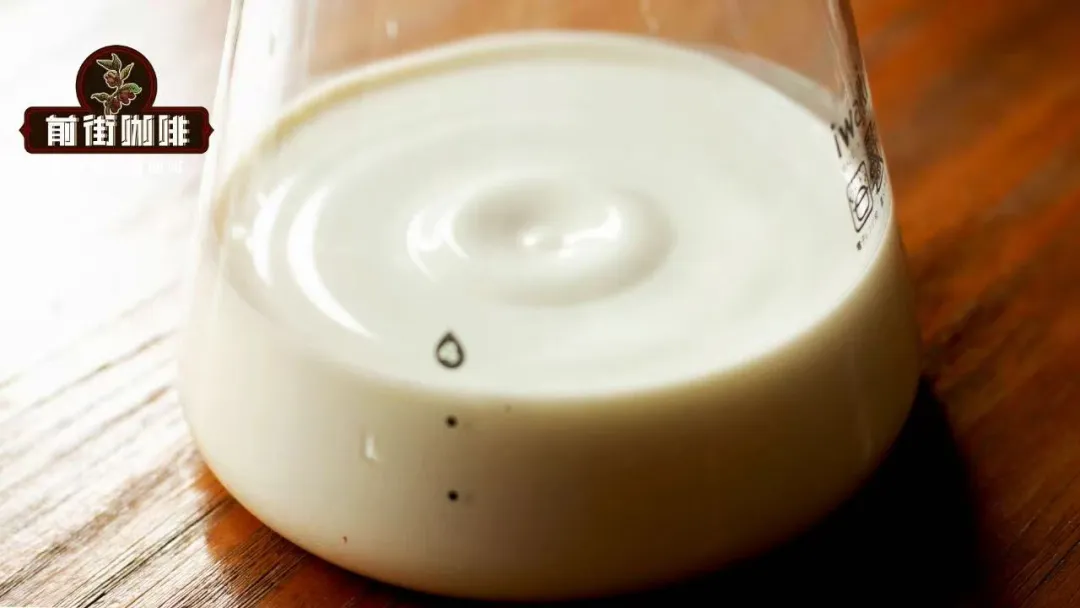
Iced purified milk, or purified milk, has garnered widespread attention in the specialty coffee scene in recent years. After trying it, many consumers wonder: what’s the difference between milk coffee made with this type of milk versus regular fresh milk? The answer is simple—stronger milky flavor and a thicker, more indulgent texture.
But descriptions alone often fail to convey the true experience. We recommend trying to make a cup of purified milk coffee yourself. Through actual tasting, you’ll gain a clearer sense of the unique texture and flavor changes this milk brings.
It’s worth mentioning that besides being available for purchase, iced purified milk can also be made at home using a simple freezing purification method. The process is quite straightforward, requiring just two major steps to achieve high-concentration fresh milk. Below, we’ll break down the production process and key considerations.

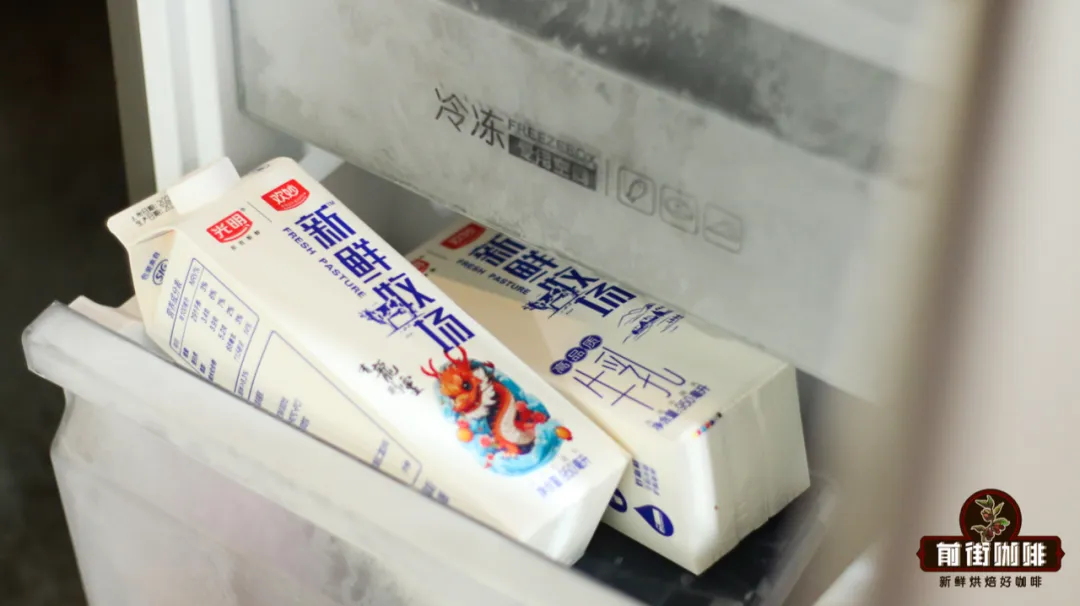
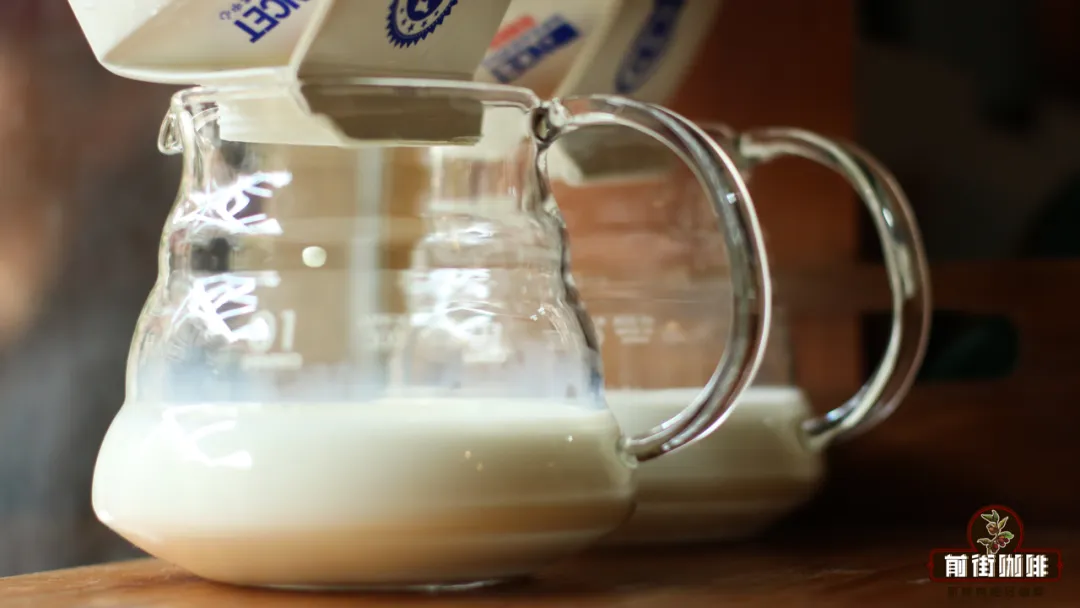
The method for making iced purified milk is actually very intuitive, involving just two main steps. First, place a bottle of room-temperature fresh milk in the freezer until it is completely frozen. Then, take the frozen milk out and let it slowly thaw at room temperature or in the refrigerator. This process may sound simple, but the science behind it is quite fascinating.
The reason iced purified milk can enhance milk concentration lies in the difference in freezing points between “water” and “other components.” Water freezes at 0°C, while substances in milk such as proteins, lactose, and fats all have freezing points lower than that of water. Therefore, when fresh milk starts to freeze, the water will solidify first, while other nutrients remain in liquid form. As the temperature drops further, these substances will gradually coagulate.
When the milk begins to thaw, because proteins and fats have even lower freezing points, they will return to a liquid state earlier than water. At this point, if you remove the upper liquid layer before the water has fully melted and thawed, you can effectively reduce the water content in the milk, thereby increasing its overall concentration. This purification method that utilizes the difference in freezing points of different substances is also known as the “freezing purification method,” and it can be applied not only to milk but also to the concentration of other beverages.
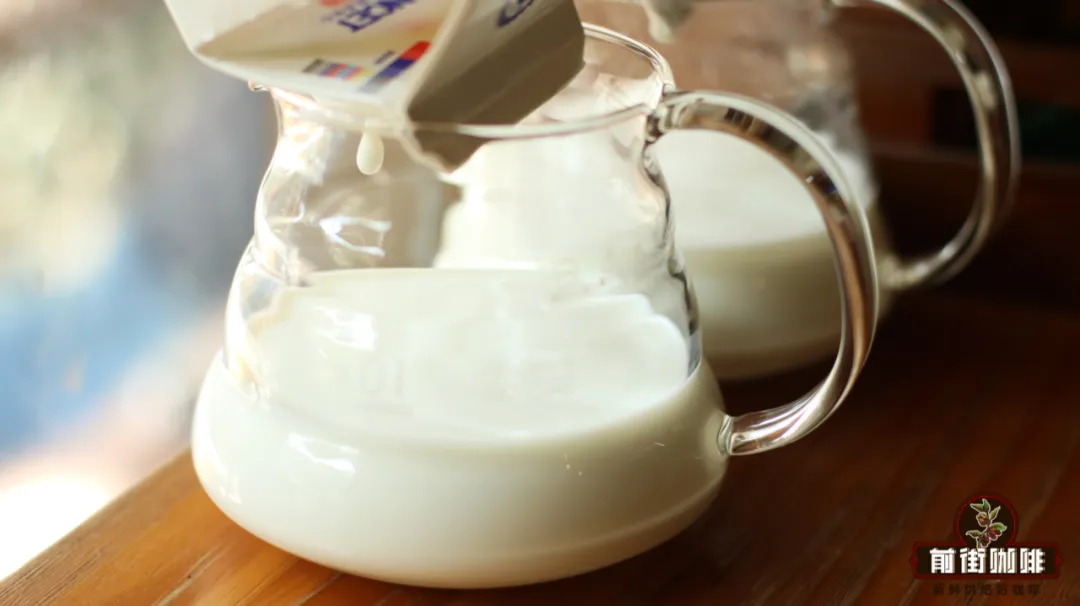
As for how purified the milk should be, it really depends on personal taste preferences. Generally speaking, the lower the proportion of remaining liquid after thawing, the higher the concentration of the milk. Taking common practical experience as an example, if a bottle of approximately 900 ml of fresh milk ends up with about 300 ml of liquid after thawing, its concentration can be roughly increased by half. This level of concentration usually allows for a noticeable difference in milk aroma and mouthfeel, and it’s less likely to produce an overly salty taste, making it suitable for most lattes or Dirty drinks.
Of course, the actual concentration achieved can also vary depending on freezing time, thawing speed, and the timing of liquid removal. For first-time attempts, it’s recommended to observe and taste-test more to gradually find the purification ratio that best suits your taste.
Once purification is complete, you can apply it to various milk coffee preparations. Among them, Dirty, with its characteristic layered presentation of coffee and milk, is the easiest option to start with and allows you to directly perceive the differences brought by purified milk. When making Dirty with purified milk, it’s recommended to directly substitute it in equal amounts for regular fresh milk. For example, if you originally use 40 ml of espresso with 160 ml of fresh milk, you can switch to 40 ml of espresso with 160 ml of purified milk, keeping the 1:4 ratio unchanged.
In terms of coffee bean selection, if you want to highlight the sweetness and rich texture of purified milk, it’s recommended to prioritize medium-to-dark roasted blends or SOE single-origin beans. These types of beans typically carry rich notes of caramel, nuts, and cream, which can create a captivating contrast with the sweetness of the milk, offering a pronounced aftertaste and layered complexity.
If you prefer a stable and cost-effective option, consider blends that are rich in body with flavors of butter and roasted chestnuts; if you’re drawn to the unique character of single-origin beans, you might choose SOEs with intense caramel and chocolate notes, such as premium beans from regions like Sumatra or Golden Mandheling, all of which complement purified milk exceptionally well.
If you prefer coffee flavors that are more refreshing, medium or medium-light roasted beans are also a good choice. These beans typically exhibit bright acidity and floral-fruity aromas, and when paired with purified milk, they can present a more nuanced milk coffee flavor.

When you want to use purified milk in lattes, flat whites, or cappuccinos—milk coffees that require full integration of coffee and milk—you must pay special attention to adjusting the ratio. Because purified milk itself has an intense flavor, following the standard ratio for regular milk can easily result in the milk flavor overpowering the coffee, leading to an unbalanced taste that is overly rich and greasy.
For example, if the original 1:5 ratio (such as 40 ml of espresso with 200 ml of fresh milk) delivers a balanced flavor between coffee and milk, switching to the same amount of purified milk may cause the milk flavor to dominate, affecting the overall flavor expression.
To avoid this, it’s recommended to slightly reduce the amount of milk used—for instance, by about 20 ml—to switch to a 1:4.5 ratio (40 ml of espresso with 180 ml of purified milk). This way, you can preserve the aroma and layers of the coffee while still enjoying the rich mouthfeel and smooth texture brought by the purified milk, crafting a luxurious yet not overly heavy top-tier milk coffee.
Of course, if you wish to enhance the coffee flavor, you might also consider slightly increasing the extraction strength of the coffee—for example, by increasing the coffee dose or extending the extraction time. However, this approach may add to the overall intensity of the flavor, which may not suit every drinker’s preference. It’s generally recommended to focus primarily on adjusting the milk ratio, especially for milk coffee types like lattes, flat whites, and cappuccinos that require a high degree of integration.
The above content is compiled by CoffeeHunters, a coffee news website.


