







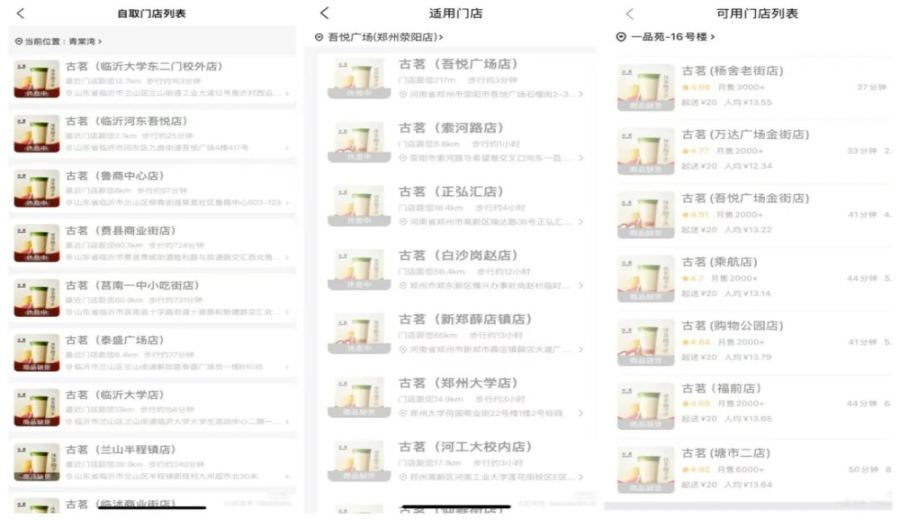
Introduction:Recently, food delivery platforms have launched a new round of tea drink promotions, sparking enthusiastic participation among consumers. However, many ancient tea (Guming) stores across various regions have experienced difficulties with online redemptions. Consumers who received discount coupons found that the stores appeared to be closed or out of stock on the platforms, even though they were actually operating at full capacity. This article delves into the reasons behind this phenomenon and its impact on the consumer experience.
The subsidy competition among food delivery platforms has heated up once again. Meituan has introduced tea drink redemption coupons, while Ele.me and Taobao Flash Sales are countering with high-value discount strategies. This wave of promotions attracted a surge of consumers, but it quickly led to issues with store redemptions. In cities such as Shenzhen, Xi’an, Chengdu, and Nanning, many consumers discovered that Guming stores were marked as “closed for rest” or out of stock on third-party platforms, making it impossible to use their coupons.
Interestingly, these stores marked as closed were still shown as open for business on the brand’s official mini-program, where products such as participating lemonades could still be ordered normally. This discrepancy has left many consumers puzzled and sparked speculation about whether the brand is intentionally restricting redemptions on third-party platforms.
In reality, many Guming stores marked as “closed for the day” are actually overwhelmed by a sudden surge in orders. Store employees are busy preparing drinks, with operation counters piled high with packaged beverages, indicating that the stores are not suspending operations due to a lack of ingredients, but rather due to unexpected order pressures.
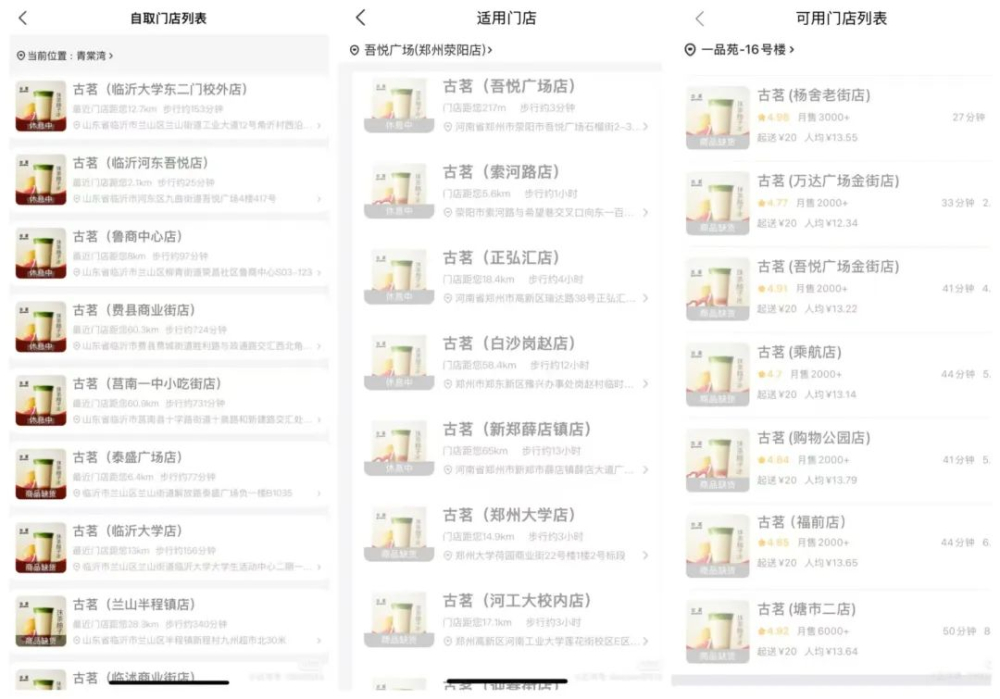
Industry observers point out that this phenomenon may be a deliberate move by the brand to reduce the operational burden on stores by adjusting their status on third-party platforms, thereby avoiding excessive concentration of orders through certain channels. However, this approach has left many consumers holding coupons feeling disappointed, especially when they arrive at the store only to find they can’t redeem their coupons or are told the items are out of stock.
Some consumers also reported that even when they successfully redeemed their electronic coupons, their orders were automatically canceled or the items were unavailable upon arrival. One person said, “I placed an order, but it was canceled without any warning, and I wasn’t notified in advance,” and another commented, “The website showed items were available, but when I got to the store, I was told they couldn’t make them.” These situations have severely impacted the consumer experience and raised doubts about the brand’s ability to organize promotions effectively.
Industry insiders note that as the food delivery platform subsidy war continues, tea drink brands are facing unprecedented order pressures. Employees are struggling to cope with the overwhelming volume of orders, and some stores have even chosen to temporarily shut down their online ordering channels to maintain normal operations. While Guming’s display of numerous closed stores in multiple cities may be based on operational considerations, it can easily lead to misunderstandings and dissatisfaction from consumers.
In summary, the confusion surrounding redemptions during this zero-yuan promotion highlights the coordination challenges between food delivery platform subsidy strategies and brand operations. For consumers, understanding the redemption rules of each platform and the actual operational status of stores can help reduce unmet expectations and better inform purchasing decisions.
The above content is compiled by CoffeeHunters, a coffee news website.


