







Introduction:Ordering a cup of coffee or tea for delivery, only to be forced to add more items due to a high minimum order threshold? Many consumers have reported that the minimum delivery fee set by chain tea and coffee shops is usually between 20 and 30 yuan, yet a single drink often costs just over ten yuan, making it impossible to place an order for just one item. This article delves into the reasons behind delivery minimums, the real-life inconveniences faced by consumers, and the current inability of stores to adjust these thresholds independently, helping readers understand the ins and outs of this common issue.
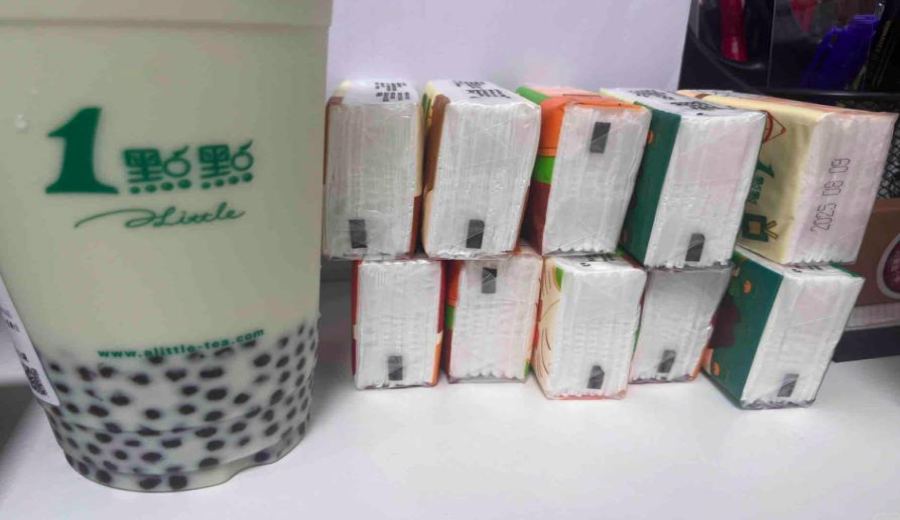
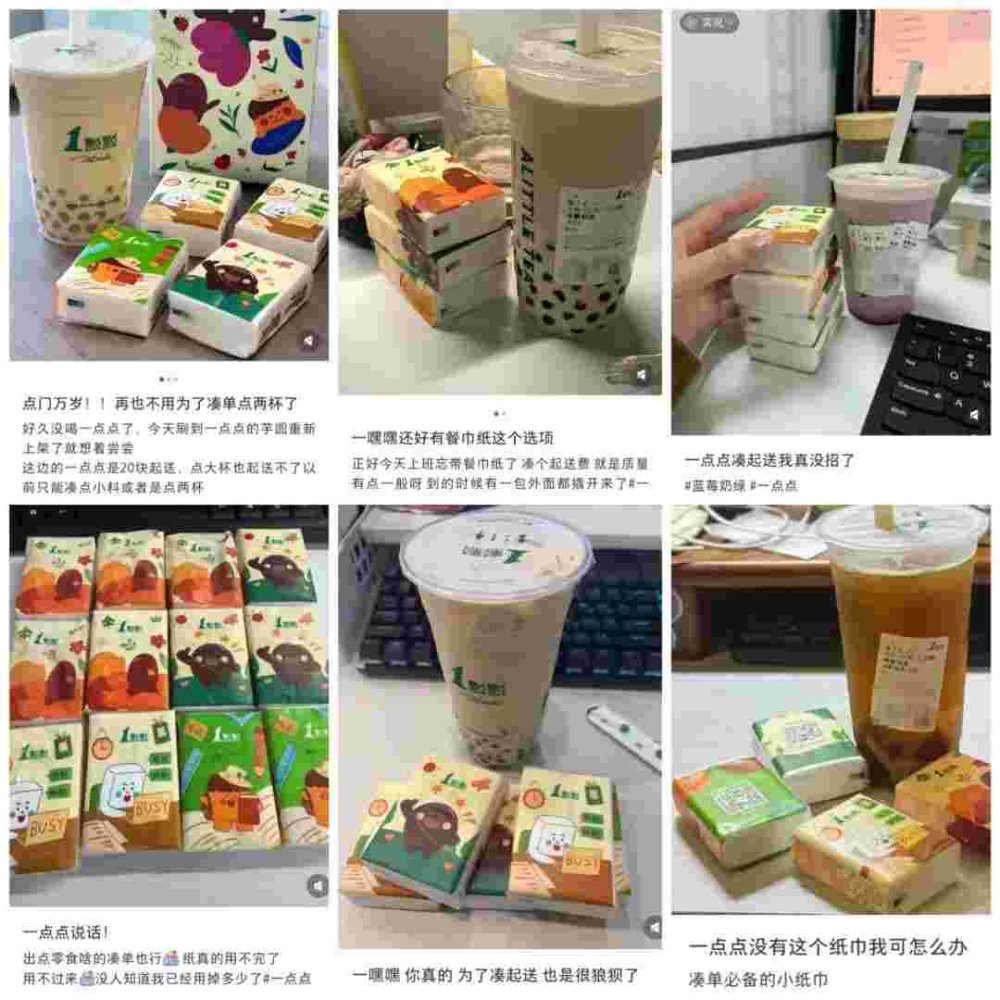
In recent years, many consumers have shared on social media their experiences placing delivery orders for tea or coffee, where the usual scene includes not only the drink but also several packets of tissues, snacks, or even a bottle of mineral water. These aren’t part of any store promotion, but rather unnecessary items that many customers feel compelled to “add on” just to meet the delivery minimum.
Currently, many chain tea and coffee brands set their delivery minimum fees generally at20 to 30 yuan, yet the price of a single drink often ranges only between10 to 15 yuan, meaning that if a customer wants to order just one drink, they often can’t place the order directly and must purchase additional items to reach the delivery threshold.
Notably, in addition to the minimum amount requirement, some delivery orders also stipulate conditions such as “minimum actual payment to waive delivery fee,” further adding to the burden on consumers. This leaves many feeling torn: “They won’t deliver just one, but two are too much to drink,” ultimately forcing them to add items like tissues or snacks just to meet the minimum.
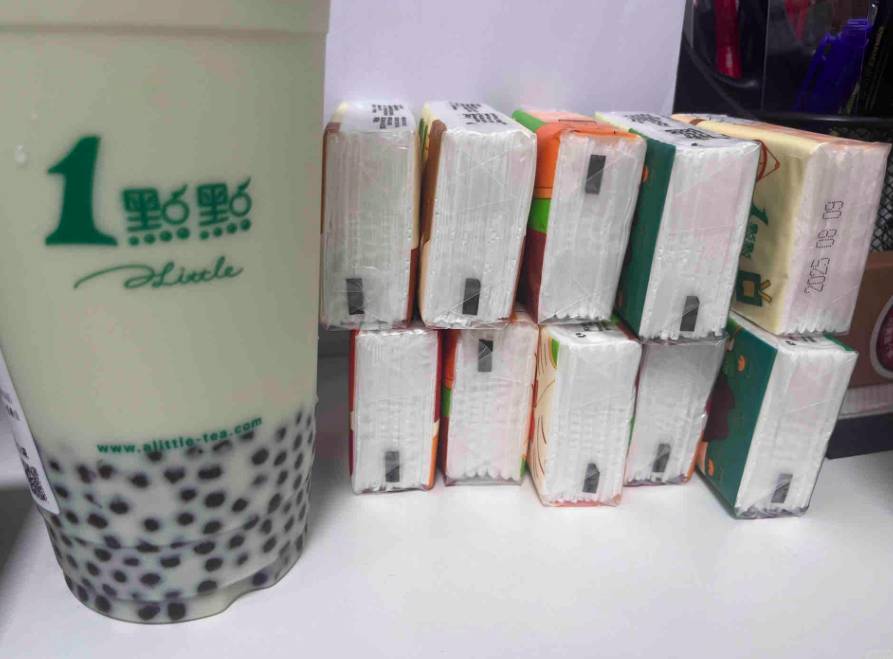
Faced with this situation, consumers typically adopt several “strategies”: one is to upgrade the drink size, for example from medium to large; another is to add extra ingredients such as tapioca pearls, coconut jelly, or milk foam, turning a simple drink into a “customized special”; and a third is to simply add small store items like tissues, bottled water, or snacks just to meet the minimum order requirement.
However, even after successfully meeting the minimum order threshold, some consumers still face non-negligible delivery fees. Some users have reported that for certain tea brand delivery orders, the actual payment must reach a certain standard to qualify for free delivery—if it doesn’t, an additional delivery fee is charged each time, adding even more cost to an already less-than-ideal delivery experience.
In response to consumer dissatisfaction, many chain brand store managers admit that they are actually “not authorized to adjust” these rules. It is understood that the delivery minimums, delivery fees, and related promotional activities of delivery platforms are mostly jointly determined by the brand headquarters and the delivery platform, and are set based on comprehensive factors such as product cost, delivery range, and distance.Franchisees or individual stores do not have the authority to modify these parameters.。
Industry insiders point out that the original intention behind brands setting delivery minimums is often to balance the costs of delivery, including platform commissions, rider delivery fees, packaging materials, and beverage production costs. However, when the minimum order amount is generally higher than the price of a single drink, it instead creates an “invisible barrier” that deters many consumers who just want to order a single item.
For consumers, such a mechanism not only adds psychological pressure to purchasing but may also lead to buying unnecessary items through order-padding—like a pack of unused tissues or an unwanted snack—thereby affecting the overall shopping experience. Moreover, some users even choose to give up on delivery altogether, opting instead for pickup in-store or simply reducing their purchase frequency.
In summary, the setting of delivery minimum thresholds involves a delicate balance among brand operational costs, platform cooperation mechanisms, and consumer needs. While businesses have their cost considerations, how to provide more flexible and consumer-friendly delivery options while meeting operational needs will be a key issue for tea and coffee brands to consider in their digital services going forward.
The above content is compiled by CoffeeHunters, a coffee news website.


