







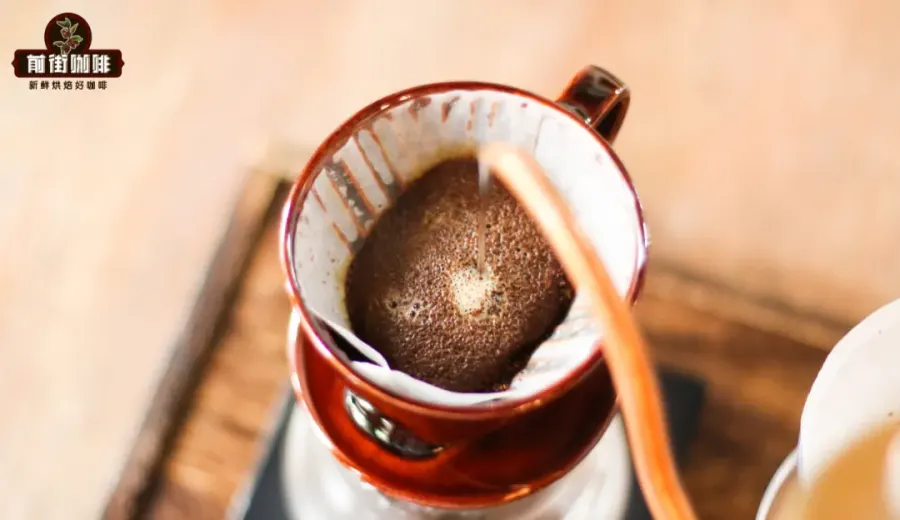
Introduction:Pour-over coffee enthusiasts often encounter cone-shaped filters, but the once-popular trapezoidal filter (also known as a fan-shaped filter) has become increasingly rare. What advantages does the trapezoidal filter offer? Why did it gradually fade from the mainstream with the rise of light roasts? This article delves into the historical evolution and structural design principles of the trapezoidal filter, and includes a practical comparative test with the V60 cone-shaped filter to help readers choose the right filter based on their needs, enhancing extraction stability and flavor expression.
Among the many pour-over tools, the cone-shaped filter is undoubtedly the most common and popular choice. However, the trapezoidal filter, once widely used and steeped in history, has gradually faded from the mainstream spotlight. This doesn’t mean it performs poorly—on the contrary, its unique design can deliver more balanced extractions and a fuller mouthfeel. This article will thoroughly analyze the structural characteristics, historical background, and actual extraction performance of the trapezoidal filter, and compare it in detail with the widely favored V60 cone-shaped filter, helping readers understand the differences between the two in terms of flavor, stability, and suitable scenarios.

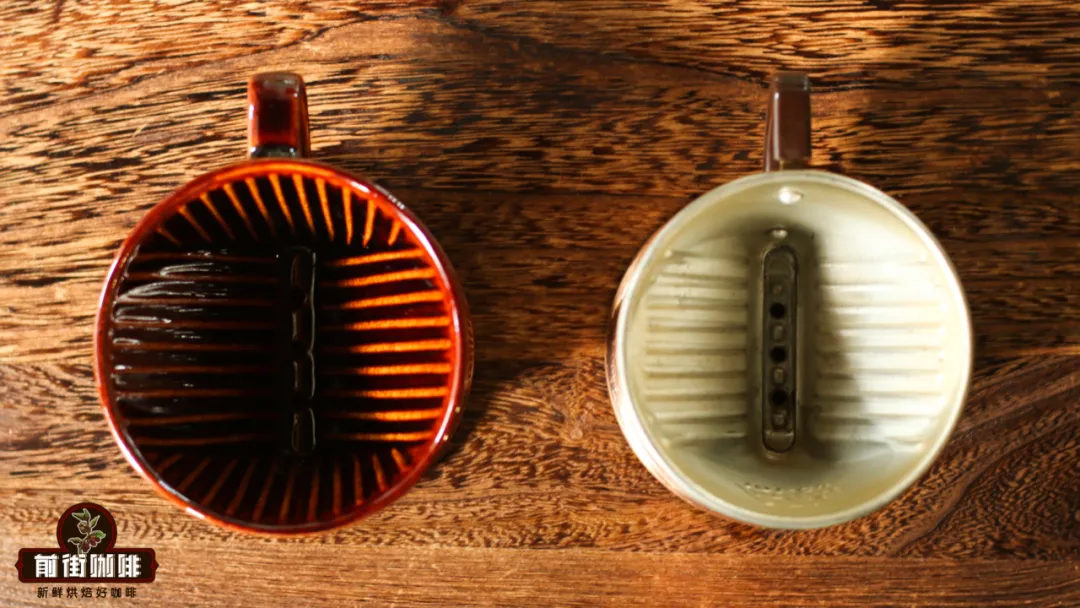
Many people assume the trapezoidal filter has been phased out, but it actually still holds notable extraction advantages. Its usage has simply declined with changing trends. The name "trapezoidal filter" comes from its inverted trapezoid shape, wider at the top and narrower at the bottom, which is why it’s also often called a "fan-shaped filter," as its dedicated filter paper resembles a fan. The earliest filters originated from Germany’s Melitta company in 1908, and they adopted this very trapezoidal structure. The inner wall of the filter was fitted with ribs to aid in airflow, and the bottom featured a small hole, requiring the use of specialized fan-shaped filter paper.

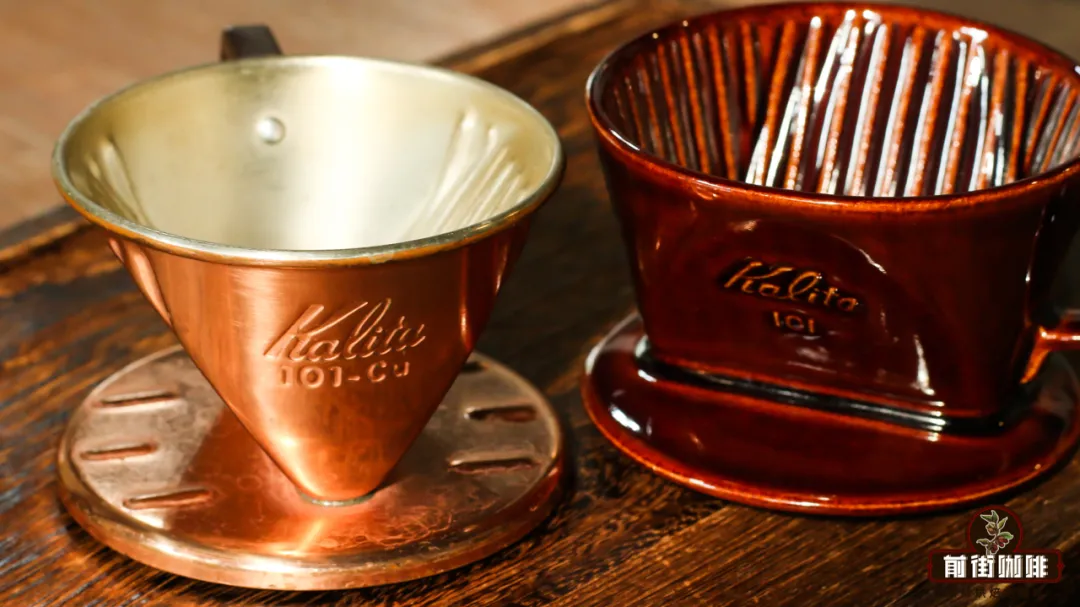
However, the original trapezoidal filter had only a single, small drainage hole at the bottom, resulting in slow water flow that was not conducive to efficient extraction. It wasn’t until 1958, with the rise of Japan’s pour-over culture, that Kalita introduced an improved version of the trapezoidal filter—the most representative being the Kalita 101—which upgraded the single hole to a three-hole design, significantly improving water flow efficiency and establishing the trapezoidal filter’s classic status in the market. Next, we’ll use the Kalita 101 as an example to explore the characteristics and advantages of the trapezoidal filter in practical extraction.
Generally speaking, a filter’s extraction performance is influenced by three key design elements: shape, rib arrangement, and bottom drainage holes. The Kalita 101 features vertically aligned ribs, primarily functioning to facilitate airflow and prevent the filter paper from adhering too tightly, which could impede water flow. Its wider-top, narrower-bottom structure results in a thicker coffee bed. Compared to a fine, dot-like coffee bed, a thicker layer is more prone to uneven extraction, where the top layer extracts more while the bottom extracts less, creating a more distinct layering effect.

However, the bottom of the trapezoidal filter is flat and linear, rather than the concentrated point-style of a cone-shaped filter, so the coffee bed is slightly thinner and extraction variance is relatively smaller. Additionally, although the Kalita 101 has three drainage holes, each is not very large, resulting in an overall slower water flow. This leads to a longer immersion time during extraction, allowing flavor compounds to be released more fully, ultimately delivering a more balanced and robust mouthfeel.
For a more intuitive comparison, we conducted an identical-bean extraction test using both the V60 and the Kalita 101 trapezoidal filter. The Ethiopian Huā Kuí (Flower Queen) coffee beans were used with the following parameters: 15g coffee, 1:15 coffee-to-water ratio, grind size at 10 on the Ek43 grinder (approximately 75% through a #20 sieve, equivalent to the coarseness of fine sugar), water temperature at 92°C, and a three-pour method (30ml + 120ml + 75ml). The extraction times varied slightly: the V60 completed in about 2 minutes, while the trapezoidal filter took approximately 2 minutes and 20 seconds.
In terms of flavor, the V60-extracted Huā Kuí showcased distinct layering, with clear notes of orange blossom, citrus, strawberry, and berry aromas, a balanced acidity and sweetness, a smooth mouthfeel, and a light oolong tea-like aftertaste. The trapezoidal filter version, while not as vividly layered as the V60, delivered a more balanced overall profile, with a fuller mouthfeel and an even longer-lasting aftertaste. Neither is absolutely superior—they simply reflect the different emphases brought out by their respective extraction designs. If you prefer bright, dynamic, and multi-layered flavors, the V60 is the better choice; if you value stability, body, and balanced taste, the trapezoidal filter is more suitable.
As for why the trapezoidal filter has gradually declined in popularity, it’s largely tied to market trends. In the early days, when dark roasts dominated, filter designs prioritized extracting rich and bold flavors, with less emphasis on flavor complexity. However, with the rise of light roasts, consumers began seeking more diverse and expressive flavors, and their expectations for filters changed accordingly. The V60, with its single-point, centralized water outlet design, quickly highlights bright and clear flavors, rapidly winning market favor and further driving the popularity of cone-shaped filters. As major brands continued to invest in the research, development, and innovation of cone-shaped filters, other shapes like the trapezoidal filter naturally received fewer updates and less exposure.

But this doesn’t mean the trapezoidal filter lacks value. In fact, due to its thinner coffee bed and longer immersion time, it relies less on pouring technique. Even beginners can consistently produce well-balanced, full-bodied coffee by mastering basic parameters like coffee-to-water ratio, grind size, and water temperature. As a result, the trapezoidal filter remains a go-to choice for many chain brands and coffee schools—a beginner-friendly option known for stable performance.
The above content is compiled by CoffeeHunters, a coffee news website.


