








Introduction:The blooming step in pour over coffee may seem basic, but it often puzzles beginners as to whether it's truly necessary. This article delves into the science behind blooming, explaining how it improves extraction efficiency by releasing carbon dioxide. Through side-by-side tests with light and dark roasted beans, we’ll explore the flavor differences with and without blooming. We'll also discuss scenarios where blooming can be skipped—such as with specific bean conditions or alternative brewing methods—to help you adjust the process flexibly based on your needs.
The blooming step in pour over coffee is a common practice among many coffee enthusiasts, but is it really indispensable for every cup? The answer isn’t absolute. This article will break down the core function of blooming from a scientific perspective, using practical comparisons between light and dark roasted beans to reveal its specific impact on flavor and extraction yield. We’ll further explain under what conditions this step can be reasonably omitted.

First, it is indeed possible to brew pour over coffee without blooming, but only under certain conditions. Before exploring these exceptions, it’s important to understand the fundamental purpose of blooming.
Blooming, at its core, is the process of helping coffee grounds release carbon dioxide. Freshly roasted coffee beans contain a significant amount of CO₂. If this gas isn’t properly released, it can hinder the contact between hot water and the coffee grounds, affecting the dissolution of flavor compounds and ultimately resulting in a flat, one-dimensional cup with even a hollow sensation. Blooming lays the foundation for a better extraction.
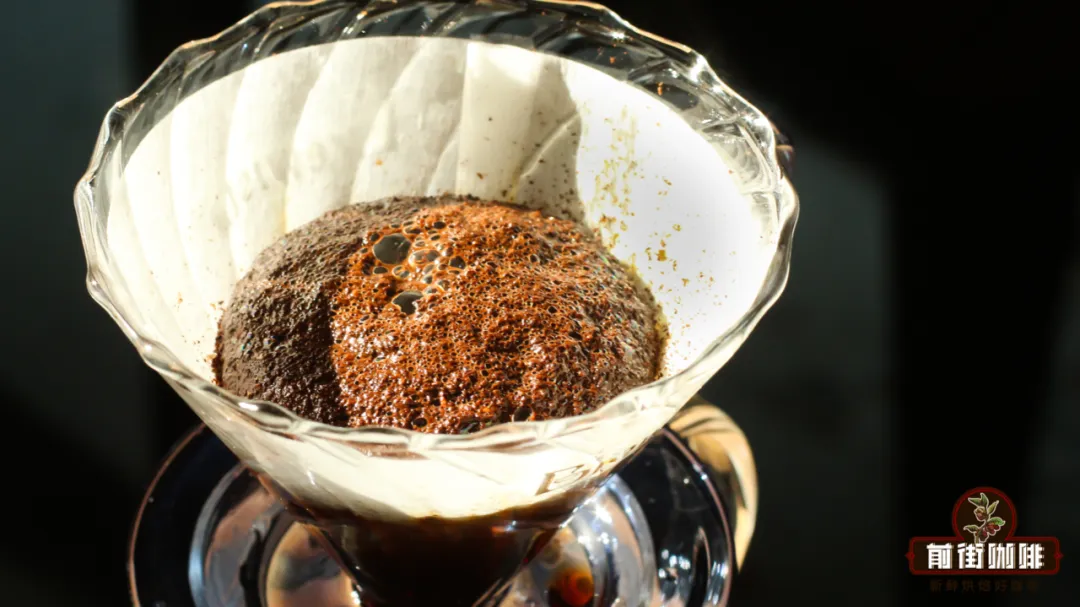
To test the effects of blooming, we conducted an experiment using two coffees of different roast levels: a light roasted Ethiopian Huila and a dark roasted Sumatra Golden Mandheling. Both experiments used the same parameters: 15g of coffee, a 1:15 brew ratio, 20-mesh grind size with 85% extraction through a sieve, water temperature (94°C for Huila / 90°C for Mandheling), and a total brew time of 1 minute 50 seconds. The only variable was the presence or absence of blooming, with evaluations based on sensory tasting and concentration data.
In the light roasted Huila test, the non-bloomed brew yielded a concentration of 17.86%, with relatively mild flavors—only subtle fruity acidity and tea notes were detectable, lacking depth and complexity. In contrast, the bloomed version achieved a concentration of 19.25%, showcasing distinct flavor layers: citrus, berries, white floral notes, and oolong tea tones were all clearly identifiable. The mouthfeel was also smoother and more balanced.
The dark roasted Golden Mandheling showed another set of differences. The non-bloomed brew extracted only 16.19% concentration, resulting in a thin body with almost just faint nuttiness. The bloomed version reached 18.27% concentration, delivering significantly fuller flavors: clear notes of caramel sweetness, chocolate aroma, and spicy, woody finishes. Although the single-pour technique resulted in slightly less body compared to the traditional three-pour method, the overall performance remained excellent.
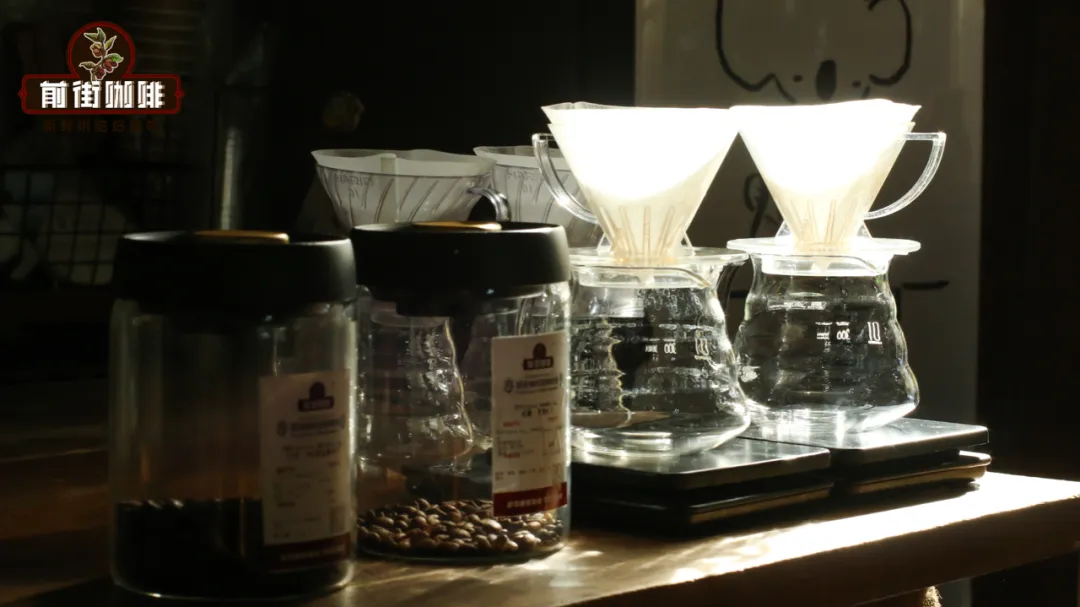
The experimental results clearly show that, regardless of roast level, as long as other parameters are consistent, coffee brewed with blooming outperforms non-bloomed coffee in both flavor expression and extraction efficiency—especially with dark roasts, where higher CO₂ content leads to more noticeable differences. This demonstrates that, under typical pour over conditions, blooming plays a key role in enhancing coffee quality.
However, this doesn’t mean blooming is the only option for pour over. Under certain conditions, it can be reasonably skipped—but only if specific prerequisites are met.
First, if the coffee beans have already released most of their CO₂ due to aging or other factors, the necessity of blooming decreases. That said, it’s generally recommended not to wait until the beans are fully degassed before brewing, as a moderate amount of CO₂ helps preserve flavor compounds and regulate water penetration speed, thereby influencing overall extraction efficiency.
Additionally, some special pour over techniques don’t include a blooming step by design, so this step can naturally be omitted.
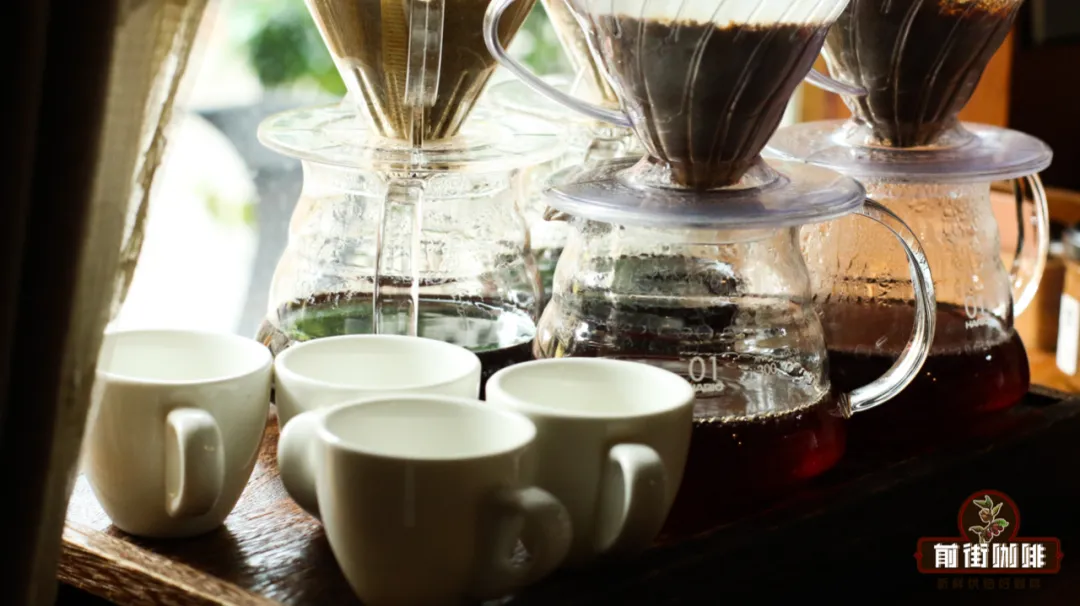
For example, the drip method begins with a slow, prolonged drip infusion followed by normal pouring, with no separate blooming phase. However, the extended immersion during the dripping stage is sufficient to gradually release CO₂ from the coffee grounds. Similarly, the stirring method uses manual agitation to quickly release flavor compounds and gases, eliminating the need for additional blooming. The single-pour method achieves a similar effect by using high water temperature and fine grind to accelerate extraction and gas release.
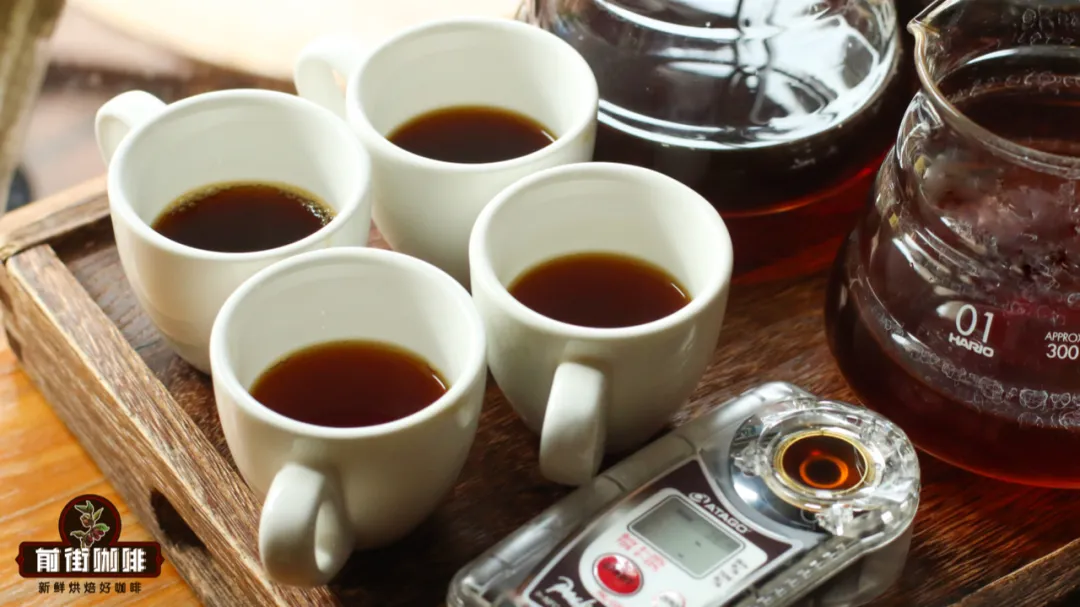
While these special techniques can effectively bypass blooming, they require a higher level of skill—including precise parameter control and proficient water handling—making them more suitable for advanced users rather than everyday brewing. Overall, although blooming can be skipped under specific conditions, for most people, it remains a simple and reliable way to consistently improve pour over coffee quality.
The above content is compiled by CoffeeHunters, a coffee news website.


