







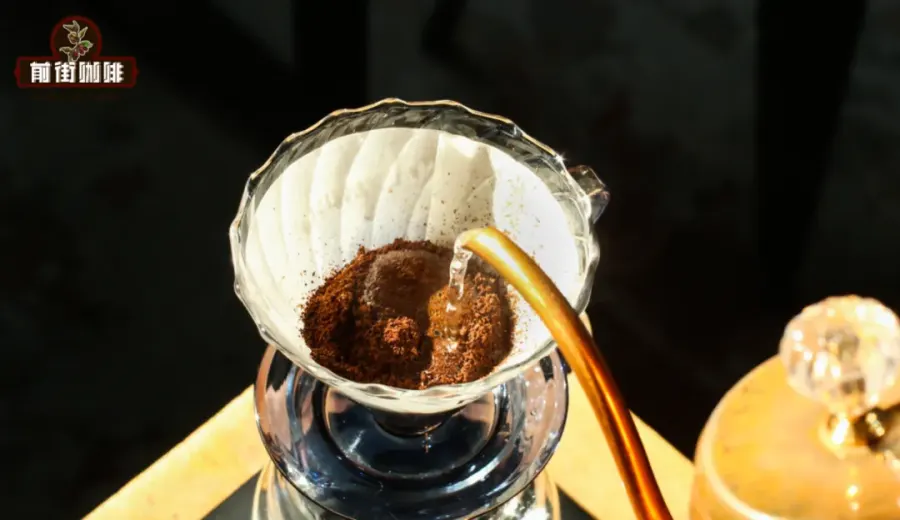
Introduction:Want to simplify your pour over process without sacrificing flavor? Patrik Rolf, a Norwegian barista and 2019 World Brewers Cup silver medalist, has designed an easy-to-follow, balanced two-pour brewing method. This article breaks down the core principles behind it, along with full parameters for 15g of washed Gesha beans from Emerald Estate. From suitable filter types and grind size to specific pouring techniques, it helps you master the key aspects of extraction — suitable for both beginners and daily brewing.
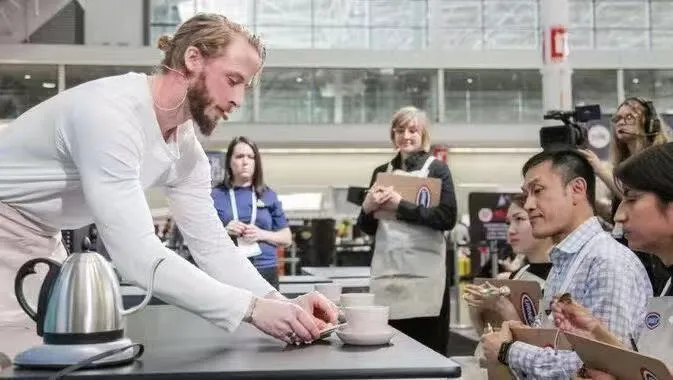
Pour over doesn’t have to involve complex timing or precise flow control. Patrik Rolf, founder of the Norwegian brand April and 2019 World Brewers Cup (WBrC) silver medalist, proposes a two-pour method where the total water is divided into just two pours at fixed time intervals — delivering a consistently well-balanced cup. This approach is especially suitable for flat-bottomed or cone-shaped (cake) filters, lowering the skill barrier while maintaining quality.
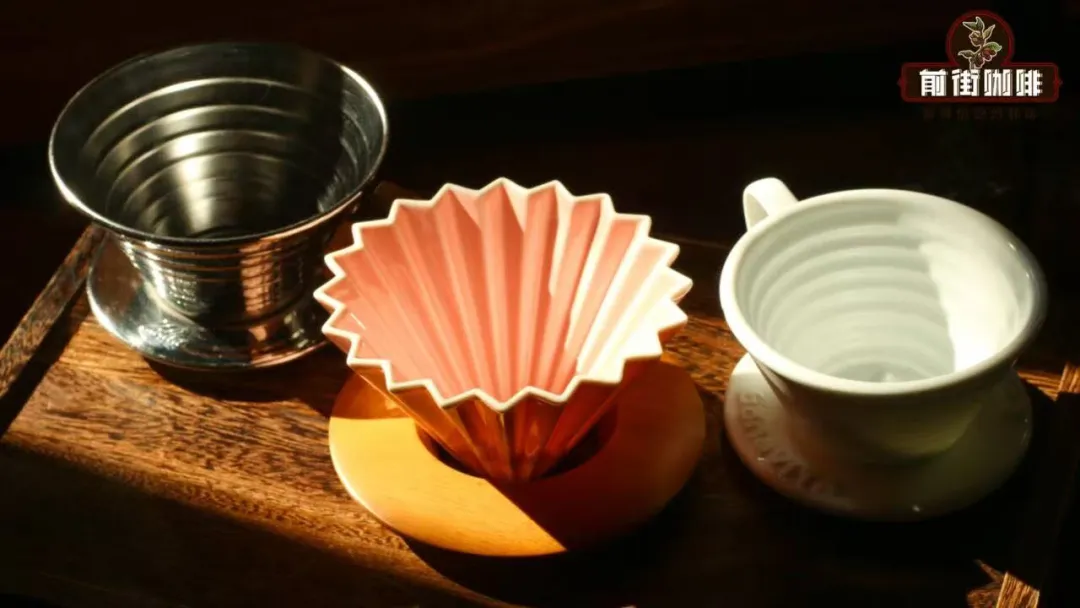
Why is choosing a cake filter key? First, the flat base of cake filters allows for more even distribution of coffee grounds, reducing issues like over-extraction or under-extraction caused by inconsistent water flow. The moderate bed thickness also contributes to extraction consistency. Second, these filters typically offer a slower flow rate; when the total water is split into two generous pours, the hot water stays in contact with the grounds longer, leading to more immersion-style extraction and resulting in a more harmonious overall flavor.
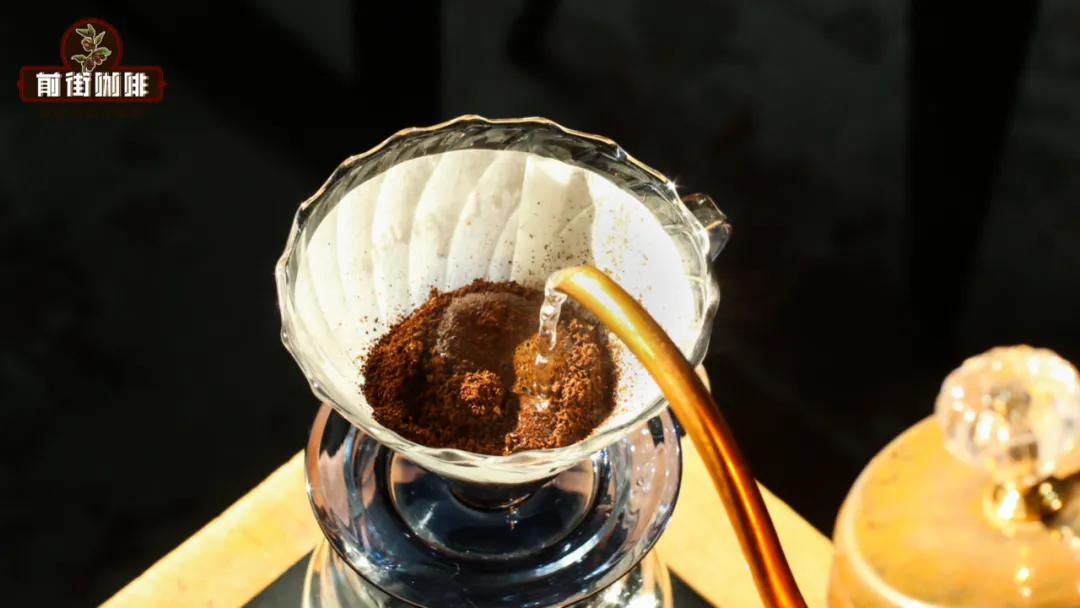
This method is not limited by roast level and can be tailored based on personal taste preferences. For those who prefer bright floral notes and pronounced fruity acidity, lighter roasted beans such as Ethiopian Huila, Sidama, or Panamanian washed Gesha are recommended. If you enjoy a richer, fuller-bodied taste, darker roasts like Indonesian Golden Mandheling or Brazilian Queen Estate are great options. Below, we’ll use a specific washed Gesha as an example to explain the detailed parameters.
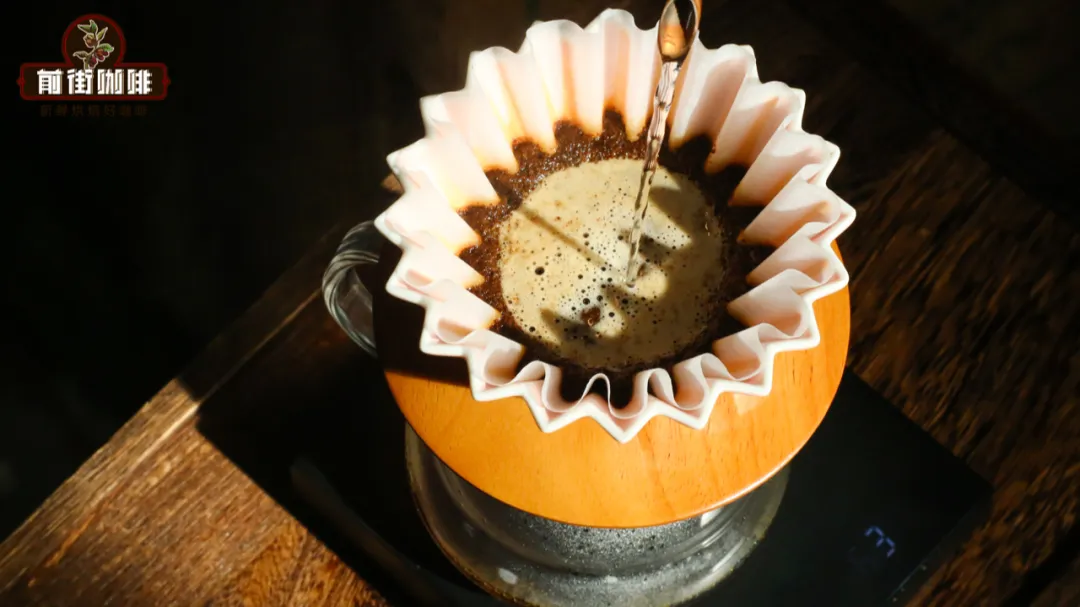
This demonstration uses 15g of coffee, with a brew ratio of 1:16 (total water volume 240ml), ground to a size that allows 90% of particles to pass through a #20 sieve (roughly the coarseness of fine sugar), with water temperature controlled at94°C,搭配Origami摺紙濾杯(平底設計符合需求)。將240毫升水分為兩段,每段120 milliliters, and completed at set time intervals.
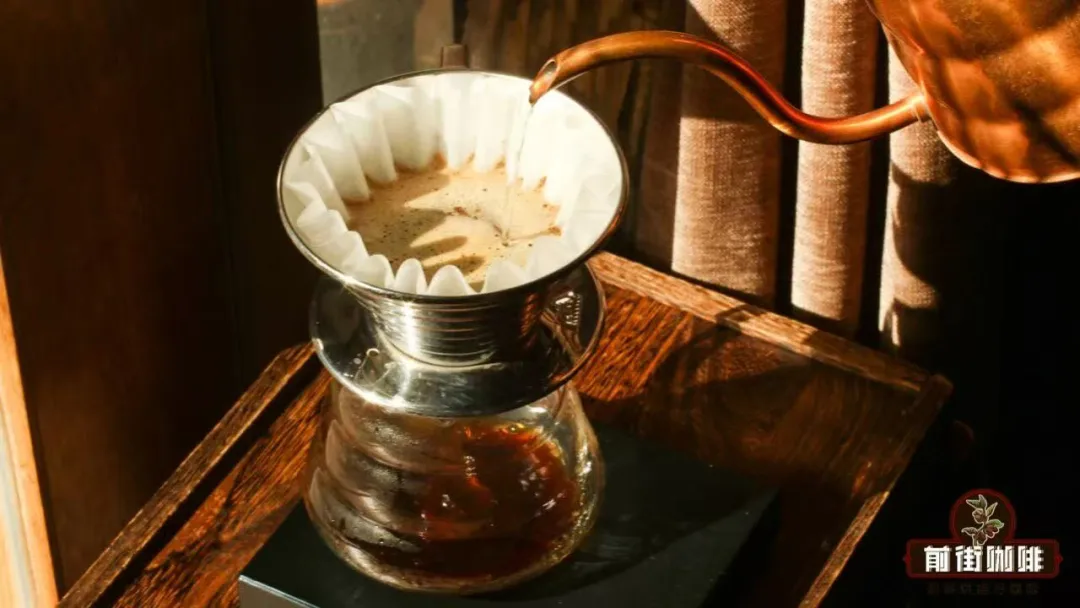
The first pour involves adding 120ml of hot water. It’s recommended to use a medium flow rate, starting from the center of the coffee bed, slowly spiraling outward in a wide circle until reaching the edge, then continuing with the large circle until the full 120ml is poured. Around the 50-second mark, all the water will have drained through, leaving a noticeable indentation in the center of the coffee bed. When the time reaches1 minute, begin the second pour.
The second pour also involves 120ml of hot water, starting again from the center and using the same wide circular motion. Continue with the large circle until the full amount is poured. Around1 minute and 20 seconds, the pouring is complete. Then let the coffee drip through. It should finish dripping at around2 minutes and 30 seconds, at which point you can remove the filter and conclude the extraction.
The resulting cup offers clear and distinct flavors: a delicate floral aroma paired with citrusy acidity, accompanied by a light green tea-like note, delivering a well-balanced and smooth cup without any harshness. It’s important to note that due to the lower overall extraction efficiency of the two-pour method, it’s advisable to slightly adjust by using a finer grind (such as the original 90% sieve passing rate) and increasing the water temperature (e.g., to 94°C) to ensure sufficient extraction and avoid underdeveloped flavors.
In summary, Patrik Rolf’s two-pour pour over method focuses on simplifying the brewing process. By dividing the water into fixed pours and leveraging the characteristics of cake filters, it allows brewers to achieve a consistently balanced cup without closely monitoring a timer or water flow. Whether for everyday brewing or for beginners getting started, it’s a practical technique worth trying.

The above content is compiled by CoffeeHunters, a coffee news website.


