








Introduction:Many people assume that the depth or clarity of coffee’s color can be used to judge its quality. However, in reality, the color is influenced by numerous factors such as brewing method, filtration tool, roast level, and concentration, and it has no absolute correlation with the intrinsic quality of the coffee. This article will delve into the scientific principles behind coffee color, explaining why some brews appear cloudy while others are clear and bright, helping you better understand the visual characteristics of a cup of coffee.
The term "color" (汤色) originally comes from tea evaluation terminology, where it describes the color and appearance of the brewed tea liquor, and is often used as one of the indicators for assessing tea quality. However, if we apply this concept to coffee, can we judge the quality of a cup of coffee based on its color? The answer is actually no.
The color of coffee is affected by multiple variables, including the brewing method used, the type of filtration tool, the roast level of the coffee beans, and even the overall concentration of the coffee liquid. While these conditions can significantly alter the appearance of the coffee, they are not directly related to its flavor quality. Therefore, color is not a reliable basis for evaluating coffee quality.
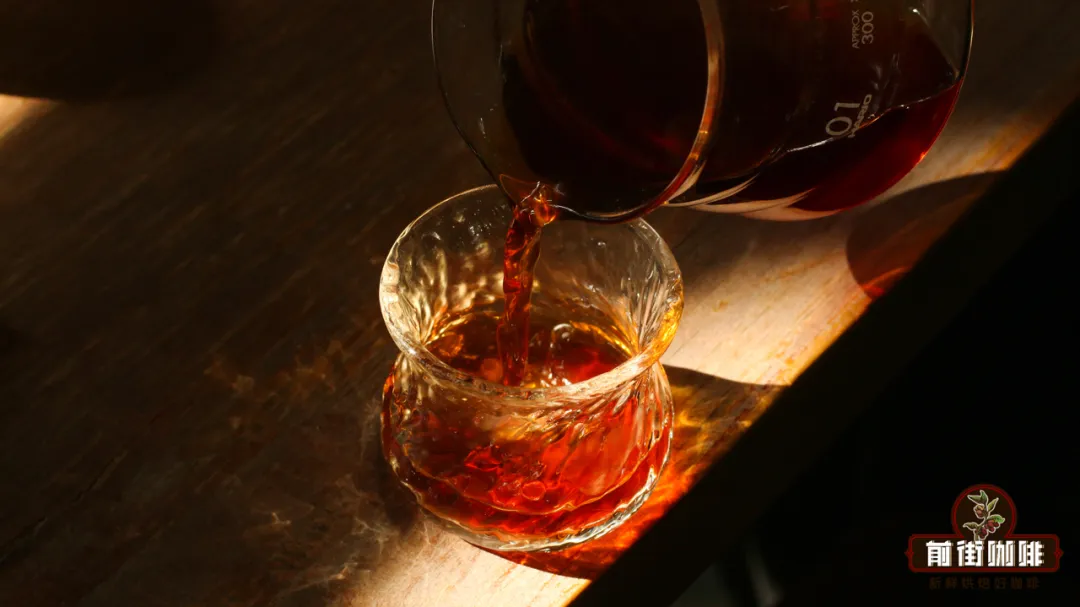
Many people instinctively assume that coffee with a darker color or a cloudy appearance is of lower quality, but such judgments may simply stem from misunderstanding. In fact, the variations in coffee color are underpinned by many scientific principles—from filtration efficiency to brewing parameters—each of which can influence the final visual outcome. Next, we will break down these influencing factors one by one, looking at aspects such as the color characteristics of coffee, its clarity, and the impact of different filtration tools.
Let’s first talk about the "color" of coffee. Even when using exactly the same brewing parameters—such as water temperature, grind size, and coffee-to-water ratio—the color of the brewed coffee can still vary significantly depending on the roast level of the beans. For example, light roast coffee usually exhibits a brighter brownish-red hue, while dark roast coffee tends to be closer to black. This is mainly due to the varying degrees of Maillard reaction and caramelization that occur during the roasting process.

In addition to roast level, the concentration of the coffee also significantly affects the saturation of its color. Coffee with a higher concentration, such as espresso, appears darker and richer due to its high content of soluble solids. In contrast, Americano, which is diluted with a large amount of hot water, has a relatively lighter color. This effect of concentration on color is also one of the more easily observed differences when comparing various brewing methods.
Next, we’ll explore the "clarity" of coffee—here referring to the visual transparency of the coffee liquid, not its flavor profile. Many coffee enthusiasts often hold a mistaken belief that darker-colored coffee must be cloudy, while lighter-colored coffee must be clearer. However, this is not the case. Whether coffee looks clear or not mainly depends on how many extremely fine coffee particles and oils remain in the liquid during the brewing process.
For example, when using paper filters for pour over, the high-density fiber structure of the paper effectively filters out the vast majority of coffee grounds, fine particles, and oils. As a result, the final coffee liquid usually appears transparent, clean, and evenly colored. On the other hand, if metal filters, flannel, or non-woven fabric filters are used, the larger pores of these materials cannot completely block tiny particles and oils, resulting in more suspended matter in the coffee and a more cloudy, less clear appearance.
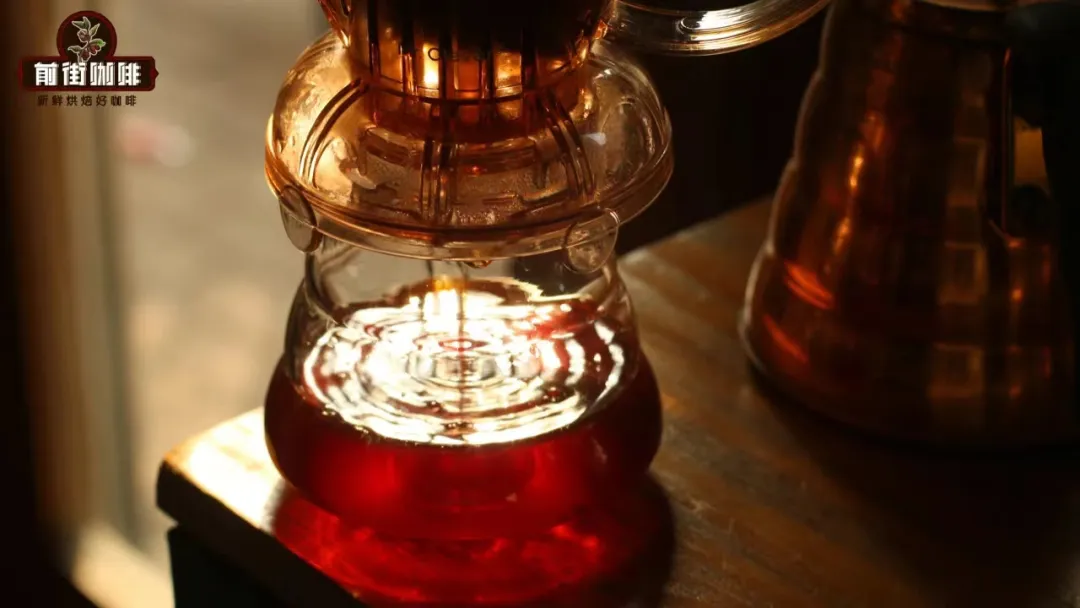
It’s worth noting that although coffee brewed with paper filters looks visually cleaner, this does not necessarily mean it is superior in flavor or mouthfeel. In fact, those ultra-fine particles and coffee oils that are not filtered out can often enhance the body and aroma complexity of the coffee, adding more layers to the drinking experience. Therefore, the clarity of coffee color cannot be equated with the overall quality or flavor performance of the coffee.
Based on the above analysis, we can clearly see that the color of coffee mainly reflects three key factors: the roast level of the coffee beans, the concentration of the coffee liquid, and the effectiveness of the filtration tool used. While these factors can significantly influence the appearance of the coffee, they have no absolute connection to the intrinsic quality of the coffee. Therefore, when tasting or evaluating a cup of coffee, we should not rely solely on its color as a basis for judgment, but should consider its flavor, aroma, and overall mouthfeel holistically.
The above content is compiled by CoffeeHunters, a coffee news website.


