







Introduction:The extraction quality of pour over coffee is often determined from the very choice and use of a filter paper. This article delves into the correct steps for using filter paper, including detailed folding techniques for conical filter papers, solutions for poor fit between non-woven filter papers and filter cones, and offers practical everyday usage tips. Whether you prefer unbleached, bleached, or non-woven materials, you’ll learn how to maximize the effectiveness of your filter paper, thereby enhancing the stability and flavor purity of your pour over coffee.
During the pour over process, although filter paper may seem like just an auxiliary tool, it actually has a non-negligible impact on the extraction efficiency and final flavor of the coffee. Choosing the right type of filter paper and folding and using it correctly can effectively filter out impurities while reducing unwanted off-flavors, resulting in a cleaner taste and more distinct layers in your coffee.
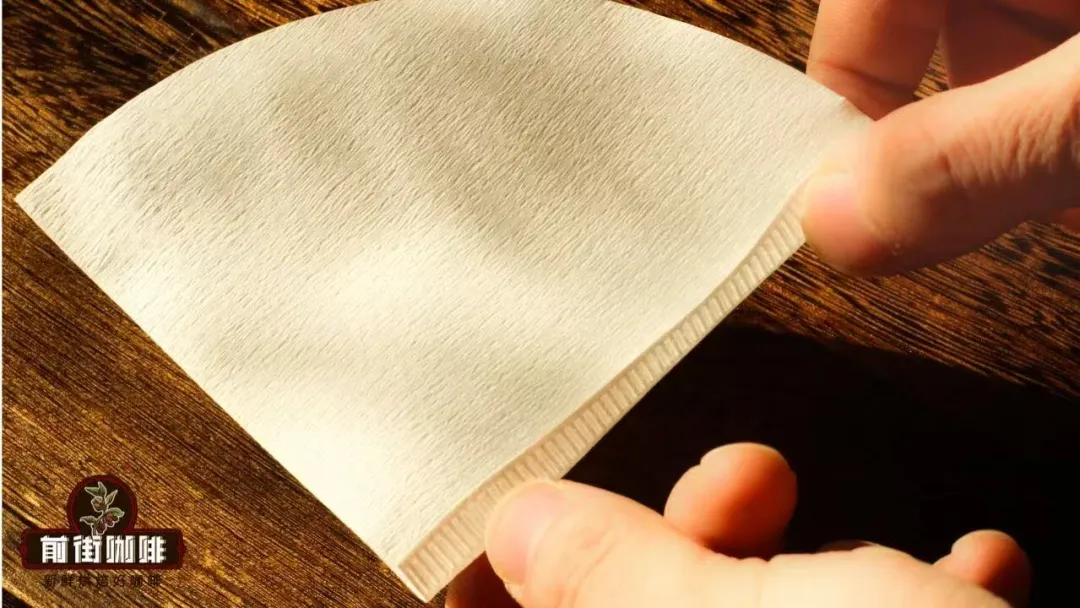
Common pour over filter papers can be divided into two main types: conical filter papers and non-woven filter papers. Conical filter papers are usually cone-shaped and need to be folded before being placed into the filter cone; non-woven filter papers are generally thicker and have a certain level of breathability, but if they don’t fit snugly against the filter cone, it can lead to uneven water flow or channeling issues.
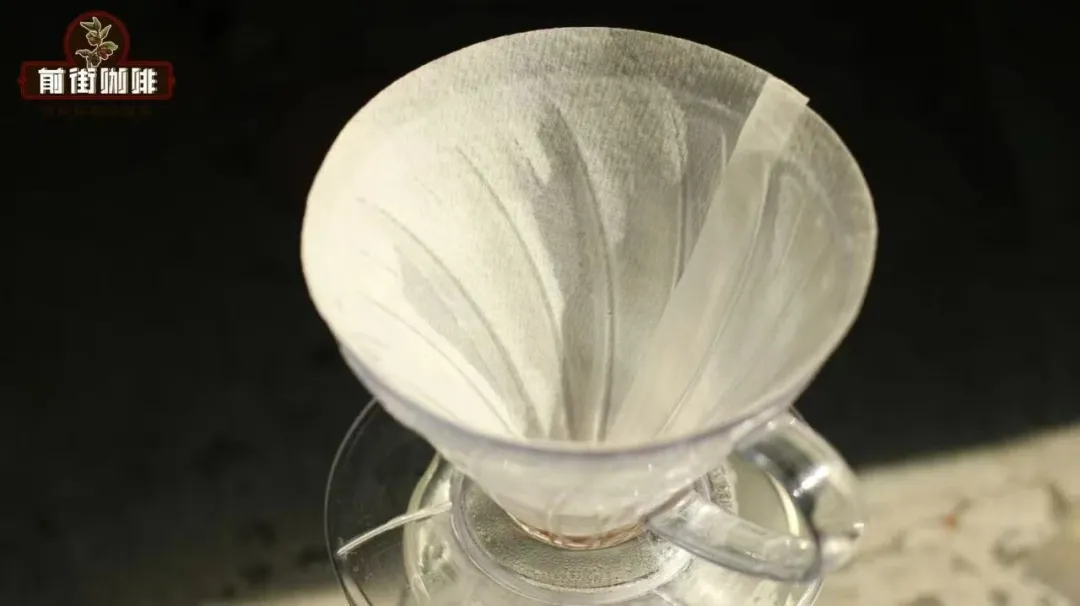
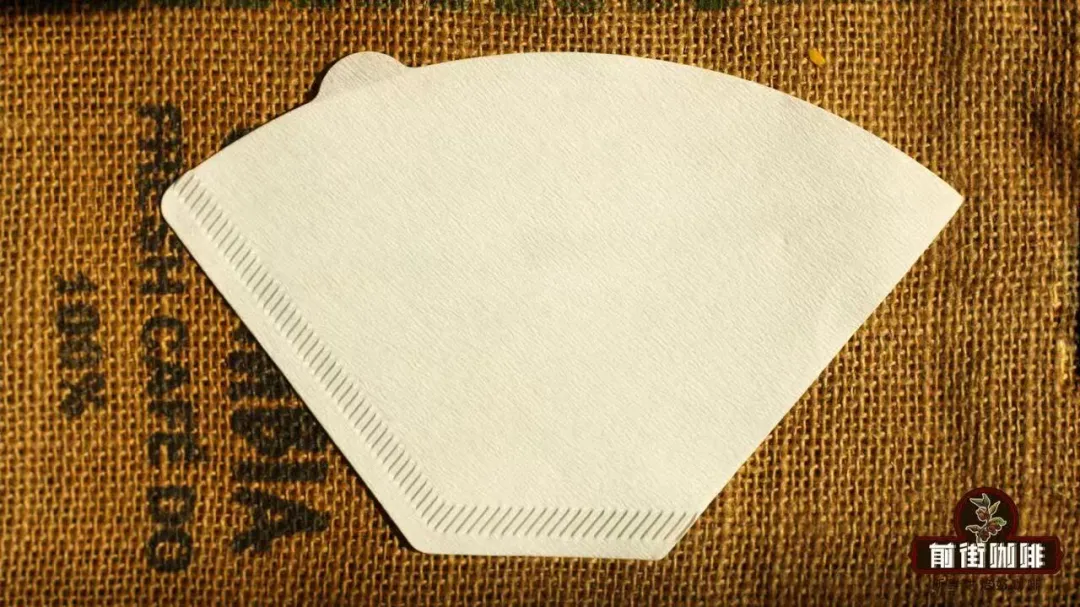
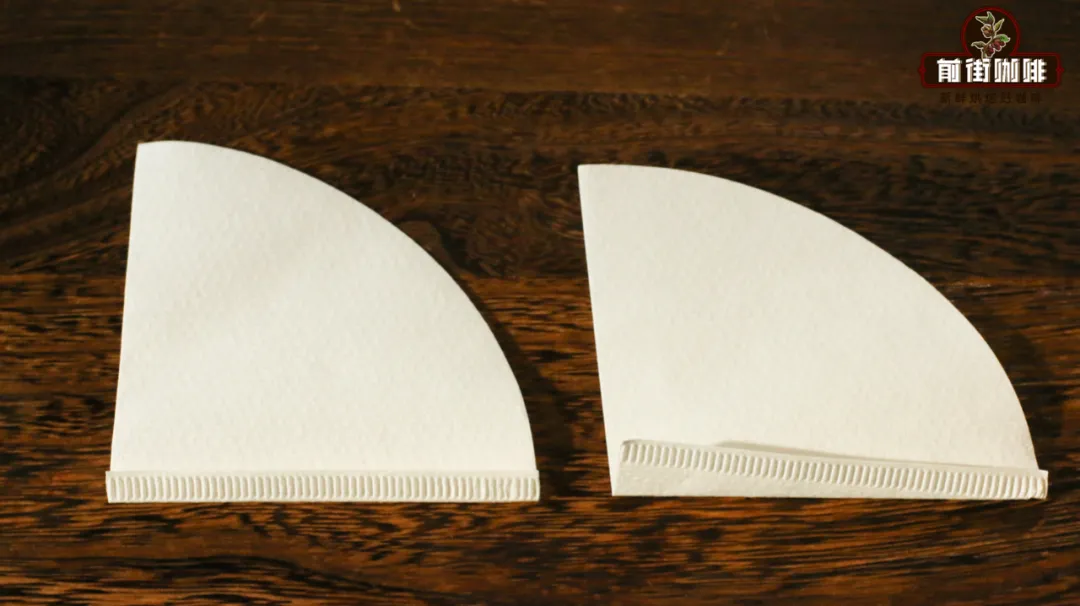
For conical filter papers, the correct folding method is the first step to ensuring stable extraction. First, lay the filter paper flat and observe its pre-fold lines, which are typically single or double creases. It’s recommended to fold it in half along the pre-fold line, then fold it into quarters along another crease. Then open it up to form a cone structure with a clear bottom groove—this design helps the filter paper sit stably in the filter cone and aids in even water distribution.

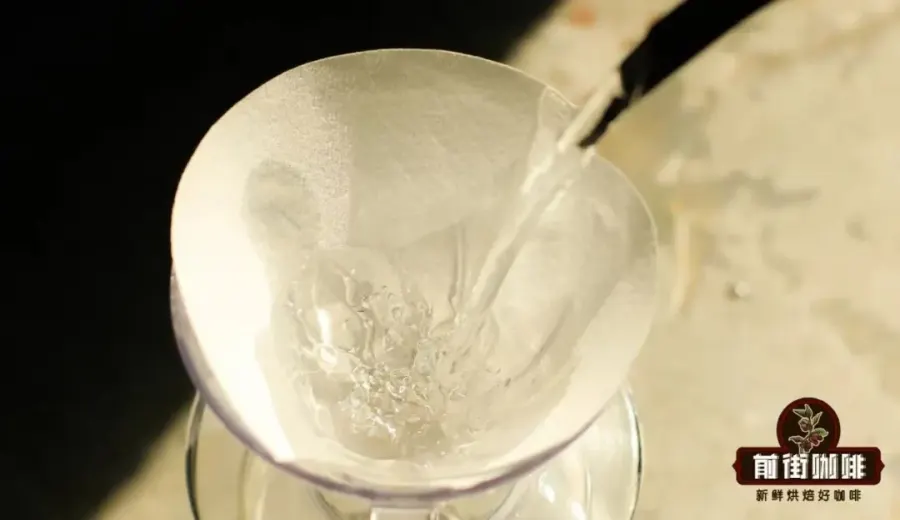
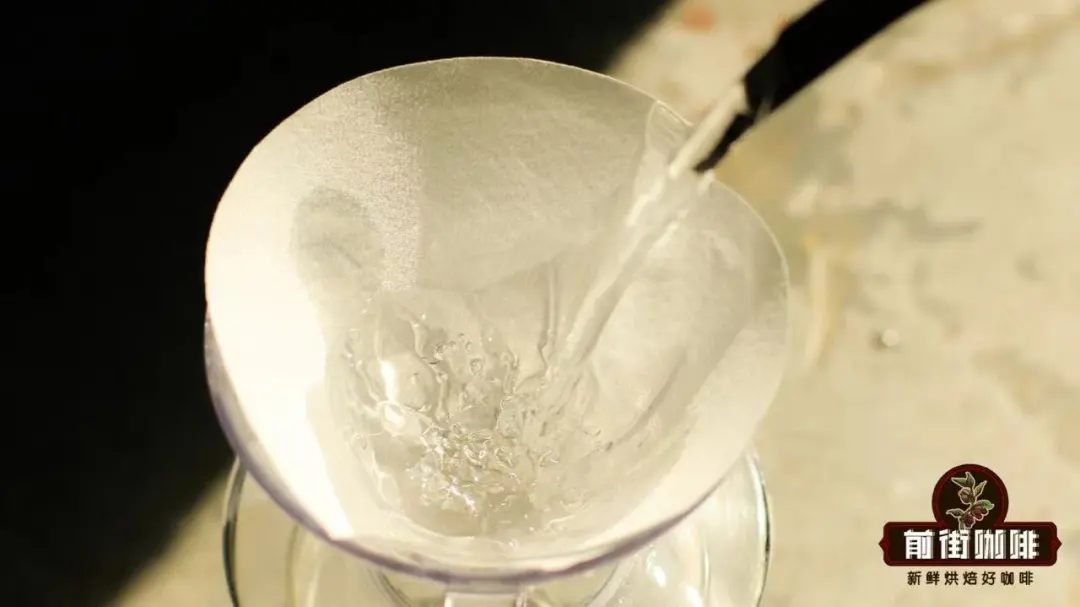
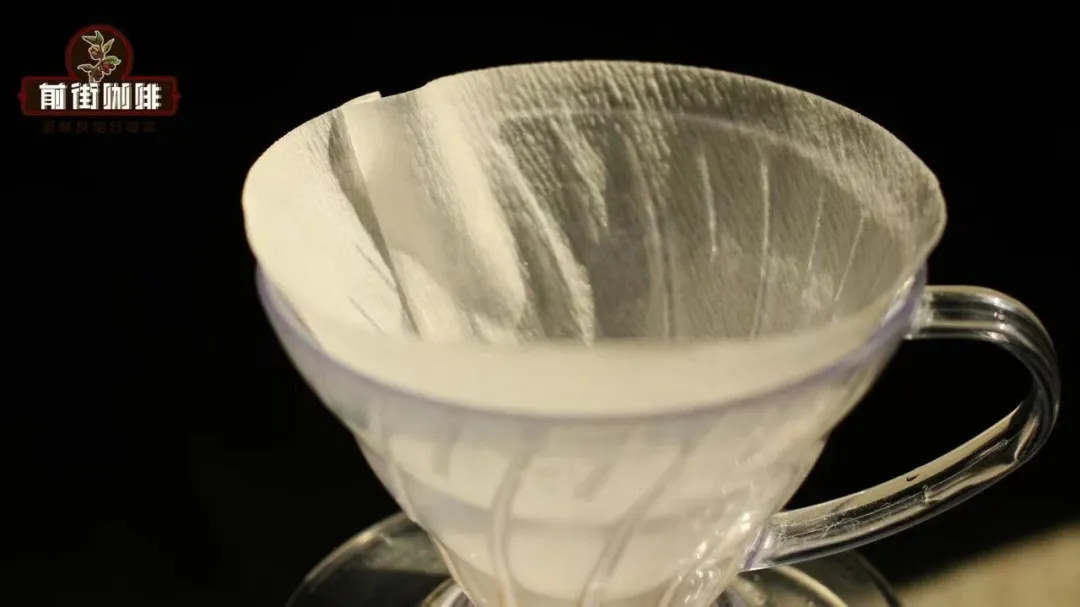
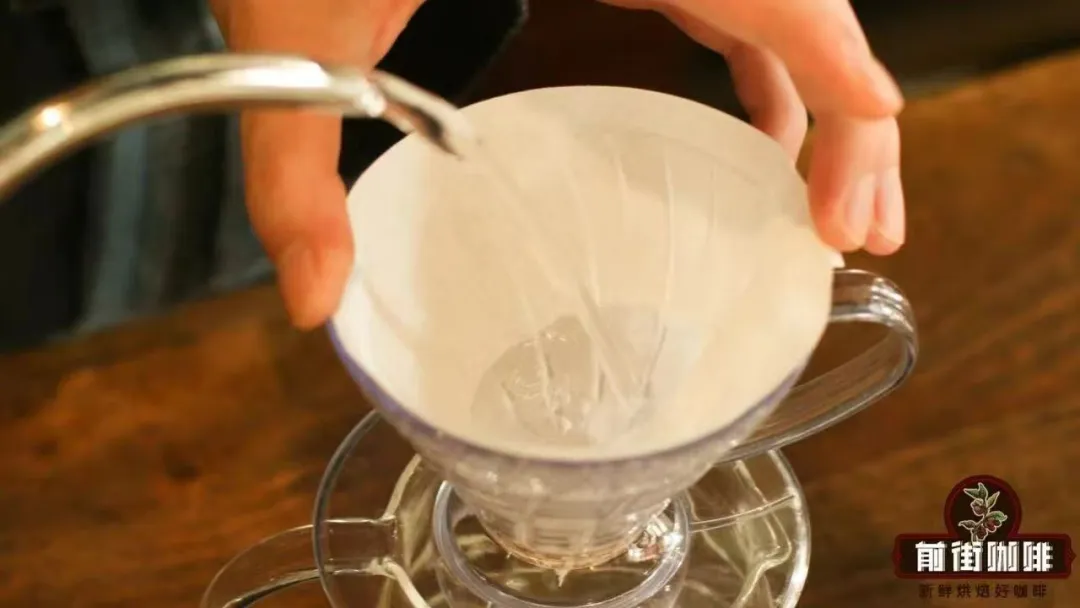
After folding, place the filter paper into the filter cone and ensure that both the bottom and sides are tightly fitted against the cone. At this point, you can pour in a small amount of hot water, which not only preheats the equipment but also helps the filter paper adhere better to the walls of the cone, preventing bypass flow caused by gaps during coffee extraction and ensuring the integrity of flavor extraction.
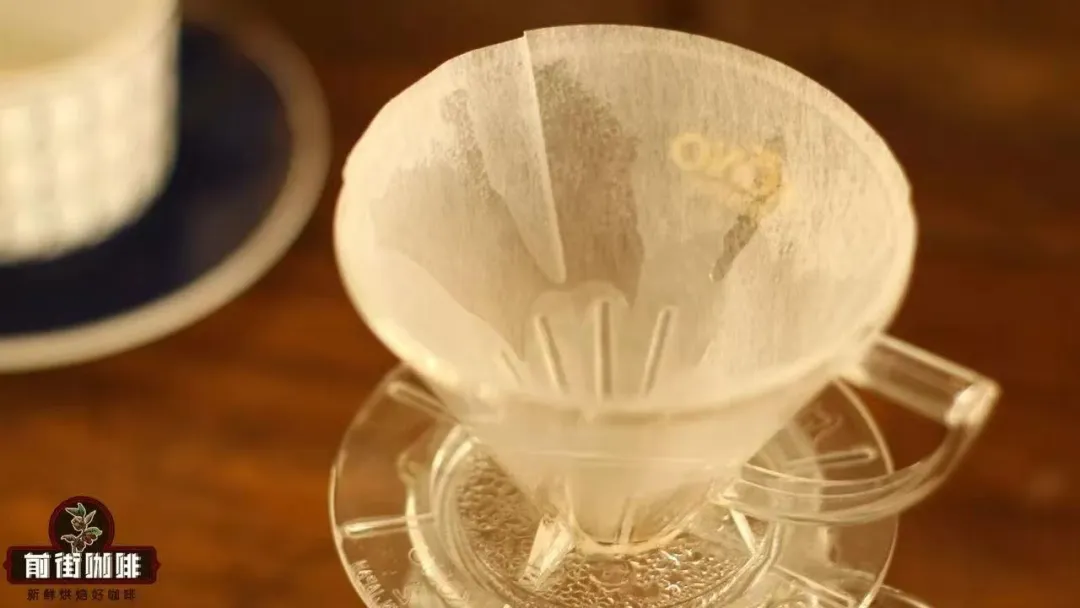
A common issue with non-woven filter papers is that their thicker material doesn’t always fit perfectly with the fine textures of the filter cone, especially when the pour over kettle pours water at a faster rate—it can easily cause the edges of the filter paper to lift or the center to not fully adhere. If this happens, it’s recommended to gently press the filter paper against the inner wall of the filter cone with your hand, especially at the contact points on the bottom and sides, applying slight pressure to adjust so the filter paper fits more tightly against the cone.
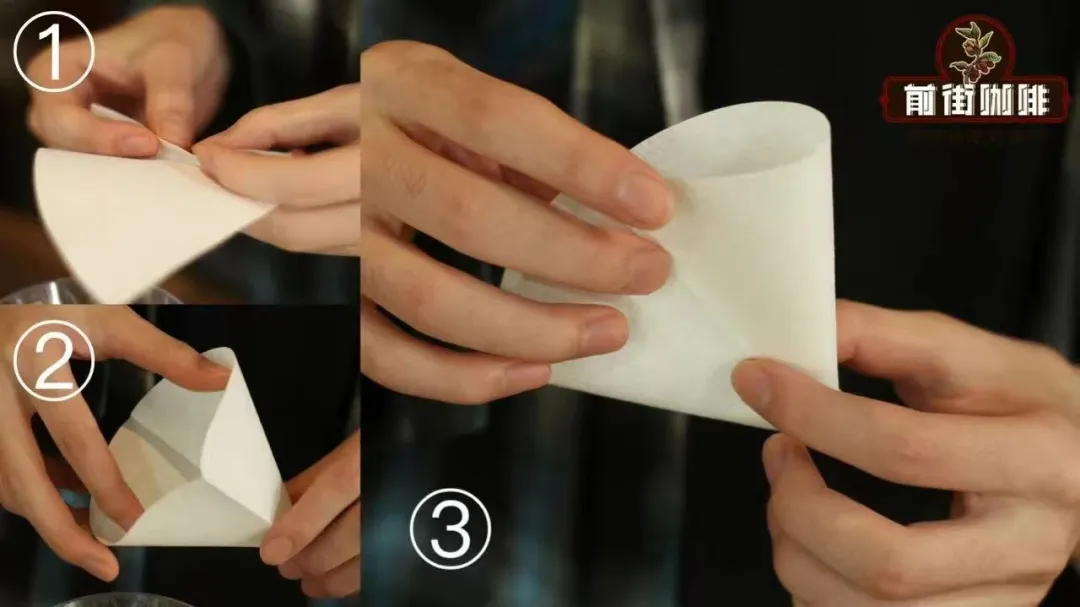
Another small tip is to pour a small amount of hot water into the filter cone after placing the non-woven filter paper inside, allowing the filter paper to expand with heat and naturally conform to the curved surface of the cone. This not only improves the fit but also helps avoid fine particles passing through during the initial stages of extraction when the filter paper hasn’t yet stabilized.
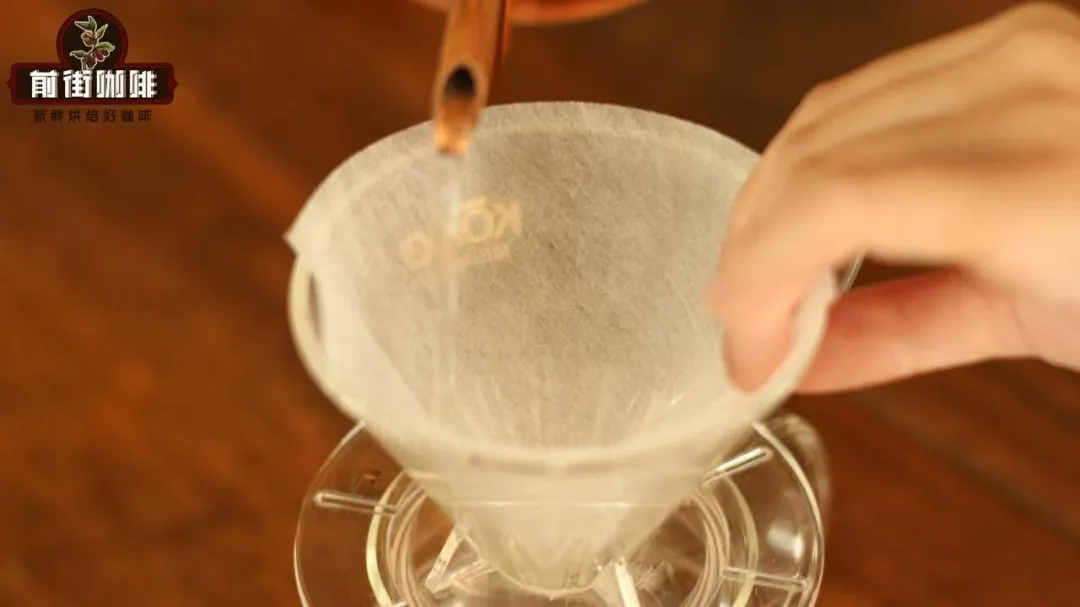
In addition, regardless of the type of filter paper used, it’s recommended to perform a “pre-rinse” step before actually brewing the coffee grounds. That is, pour about 50–80 ml of hot water evenly over the filter paper and filter cone. This action has three benefits: first, it preheats the brewing equipment; second, it removes any potential paper pulp taste or bleach odor from the filter paper; third, it helps the filter paper adhere more securely to the inside of the filter cone, preventing leaks or channeling effects during subsequent coffee extraction.
For users who prefer unbleached filter paper, although it hasn’t been bleached and may have a slight paper-like scent, these odors can almost all be eliminated through proper pre-rinsing. Unbleached filter paper usually retains more of its natural fiber structure, and some people believe it can deliver a more natural expression of coffee flavor.
Bleached filter paper, on the other hand, is processed to appear whiter, and in most cases, it no longer has a noticeable off-odor, making it suitable for brewers who prefer a cleaner-tasting cup. Regardless of which type you choose, the key lies in thoroughly preheating and pre-rinsing the filter paper before use to ensure it doesn’t affect the final purity of the coffee.
In practical operation, there’s one often overlooked point: the size of the filter paper must match the inner diameter of the filter cone. A filter paper that’s too large may create extra folds after being folded, which not only affects aesthetics but may also lead to uneven water paths; a filter paper that’s too small may not cover the entire bottom of the filter cone, resulting in incomplete coffee extraction. Therefore, it’s recommended to confirm the filter cone model when purchasing and choose a filter paper of the corresponding size.

In summary, the flavor performance of pour over coffee depends not only on the quality of the coffee beans and grind size, but the choice and correct use of filter paper also play a crucial role. From folding methods and adjusting fit to executing the pre-rinse process, every detail can influence the clarity and balance of flavor in the final cup of coffee.

Whether you’re a beginner just starting out or an experienced coffee enthusiast, mastering these filter paper usage techniques will make your pour over process smoother, your extractions more stable, and every sip of coffee reveal purer flavor characteristics.

The above content is compiled by CoffeeHunters, a coffee news website.


