








Introduction:Cold brew coffee, known for its simple preparation and refreshing flavor, has become the go-to choice for many when making iced coffee at home. But with steeping times ranging from 8 to 18 hours, how do you choose the optimal duration to extract the best flavor? Can filtered cold brew be safely left overnight? This article dives into multiple sets of experimental data to analyze how different steeping durations affect flavor, provides practical time recommendations, and explains how refrigeration after filtration enhances mouthfeel—helping you easily master this home brewing technique.
Cold brew is characterized by low-temperature, long-duration steeping, making it easy to prepare without the need for specialized equipment. It’s a favorite among many for making iced coffee at home. However, with steeping times ranging from 8 to 18 hours, what duration achieves the ideal balance of flavors? Is it safe to leave filtered cold brew overnight? Through experimentation and shared experience, this article explores how flavor changes with varying steeping times and offers practical advice for everyday use.
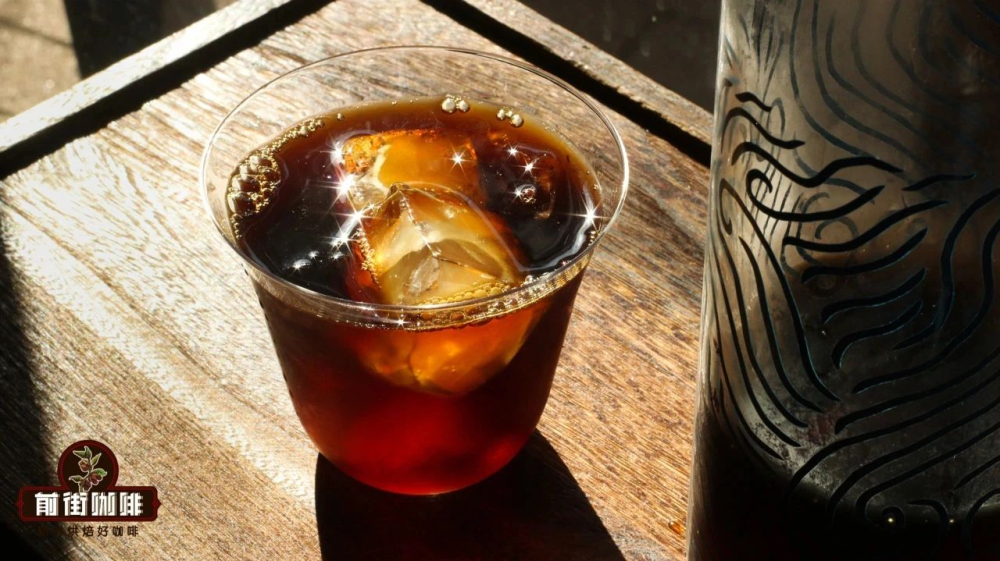
Cold brew is particularly well-suited for highlighting the characteristics of light to medium roasted beans. These beans tend to release floral and fruity aromas along with a refreshing taste under low-temperature extraction, often yielding more satisfying results compared to dark roasts. If you prefer beverages with floral and citrus notes, light to medium roasted beans are an excellent choice.
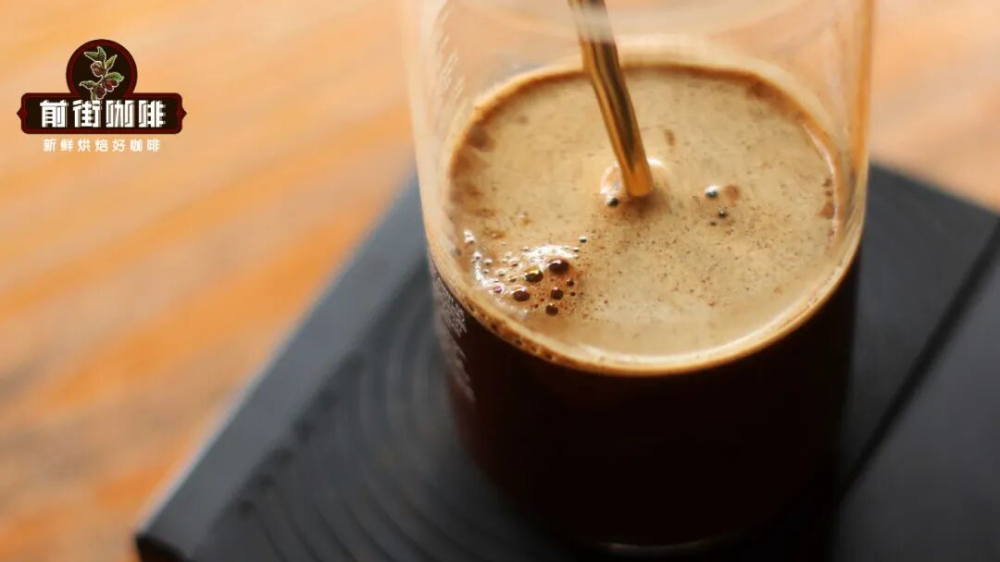
Since cold brew takes place in a low-temperature environment, its extraction efficiency is relatively low. This also means it has a high tolerance for various parameters. Whether it’s the coffee-to-water ratio, grind size, or steeping time, adjustments within reasonable ranges can still produce a coffee with decent mouthfeel. Commonly recommended parameters include: a grind size close to that of pour over (about 70–85% passing through a Chinese No. 20 sieve, visually similar to sugar granules), a coffee-to-water ratio between 1:10 and 1:13, and a steeping time ranging from 8 to 18 hours. Among these, “steeping time” offers the most flexibility—so does this ten-hour difference really lead to significant flavor variations?
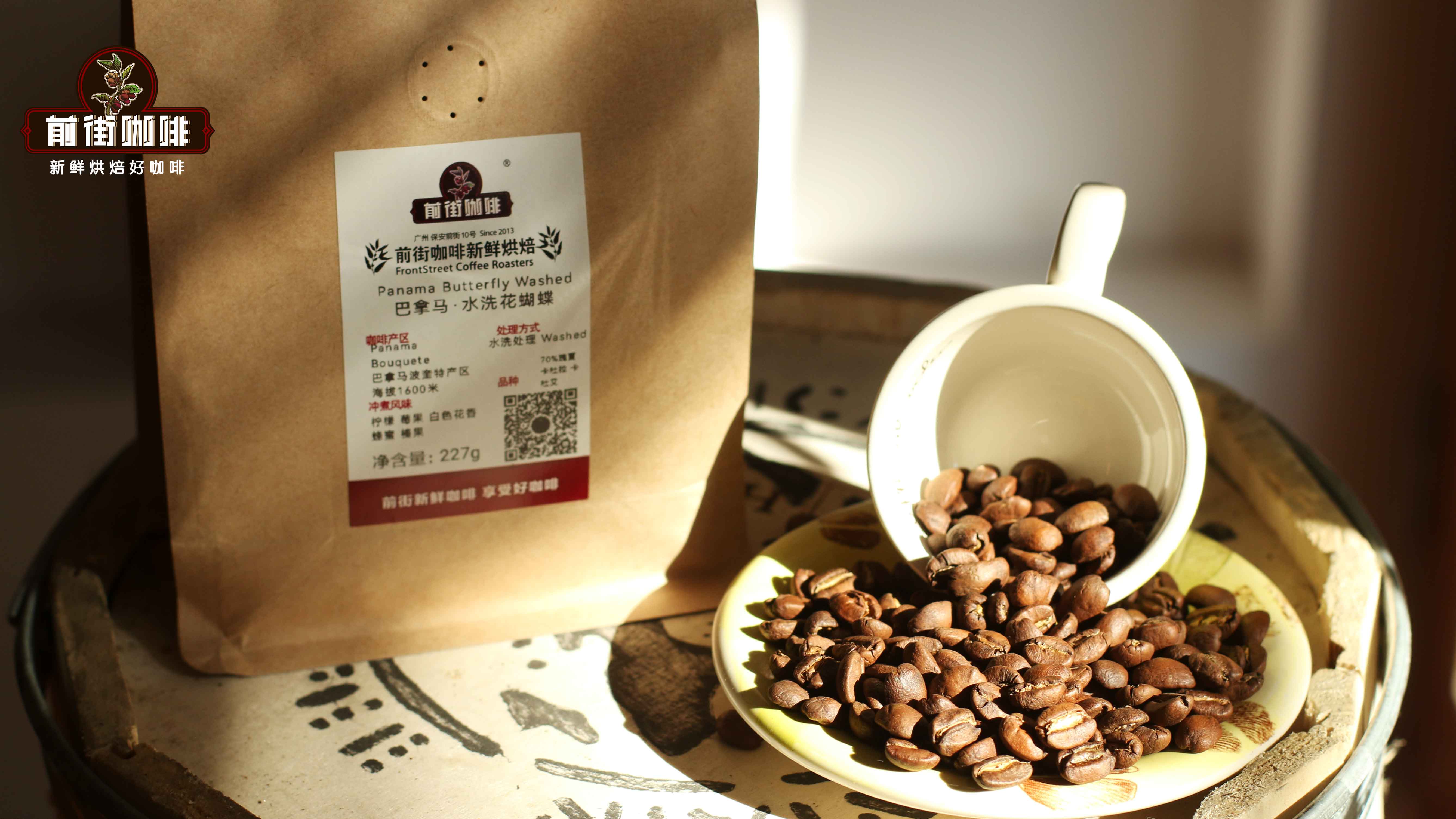
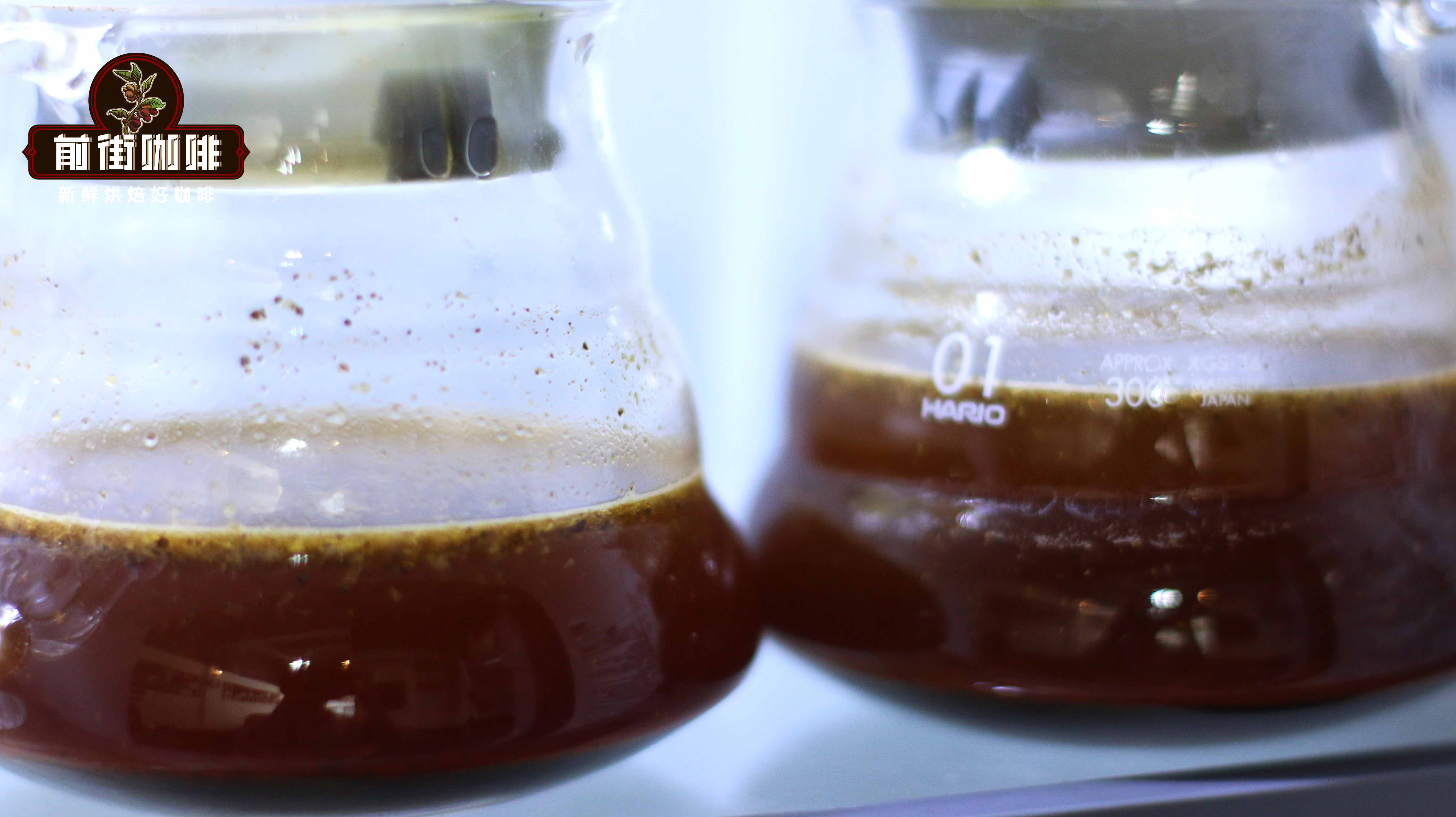
To find out, we conducted a time-variable experiment. Using the same coffee bean, with a sugar-fine grind (approximately equivalent to EK43s grinder -9.5 setting / C40 hand grinder -22 setting) and a 1:10 coffee-to-water ratio, we steeped for 4, 10, 16, and 22 hours, then filtered and tasted the results. The experiment showed that the 4-hour cold brew exhibited clear signs of under-extraction, while the 22-hour sample was slightly over-extracted, with a hint of astringency and off-flavors. In contrast, the 10-hour and 16-hour brews delivered the best flavor profiles, with the 16-hour version being richer, balanced in acidity and sweetness, and showing distinct layers—whether served cold or over ice, it showcased the bean's inherent characteristics.
The specific findings are as follows:
• 4-hour steeping: Light flavor, with slight lemony acidity and a tea-like mouthfeel; overall profile is rather thin.
• 10-hour steeping: Bright berry-like acidity and sweetness, refreshing mouthfeel, and clear aroma.
• 16-hour steeping: Prominent citrus notes, soft sweetness, and overall balance.
• 22-hour steeping: Full-bodied but with a slight strong-tea character, mild astringency, and a gritty, sandy aftertaste.
During the cold brew process, due to the constant temperature and lack of agitation, the release of soluble substances from coffee grounds is slow. As a result, grind size and steeping time become key factors influencing flavor direction. Generally speaking, the finer the grind and the longer the time, the more flavor compounds are extracted, resulting in a richer coffee taste. Conversely, the flavor will be lighter. However, cold brew’s low extraction efficiency means it requires more time to draw out sufficient flavor, yet over-extraction must be avoided to prevent unwanted off-flavors.
Therefore, based on experience, keeping the steeping time within an 8 to 18-hour range usually yields stable and balanced extraction results. So, for our busy daily routines, how should we plan our cold brew steeping time?
For typical home-use scenarios, here are two practical time-scheduling suggestions that can be flexibly adjusted according to personal schedules:
Scenario 1: If you want to enjoy a freshly filtered cold brew at 7–9 AM the next morning, it’s recommended to start steeping in the fridge before bed (around 9 PM to midnight the night before). This gives a steeping time of about 7–12 hours, which falls within a safe range and delivers good flavor performance.
Scenario 2: If you’d rather not rush to filter in the morning, you can start your cold brew at 8–9 AM and plan to take it out at 6–8 PM, with the total steeping time also landing in the ideal range of 9–12 hours.
Additionally, if filtered cold brew is returned to the fridge for further refrigeration, its flavor often becomes even more rounded. Some impurities may gradually settle, and slight fermentation might also contribute to a smoother and cleaner mouthfeel. It’s recommended to keep the filtered cold brew refrigerated for 1–2 days after filtration, though it’s best consumed sooner for optimal flavor.
The above content is compiled by CoffeeHunters, a coffee news website.


