







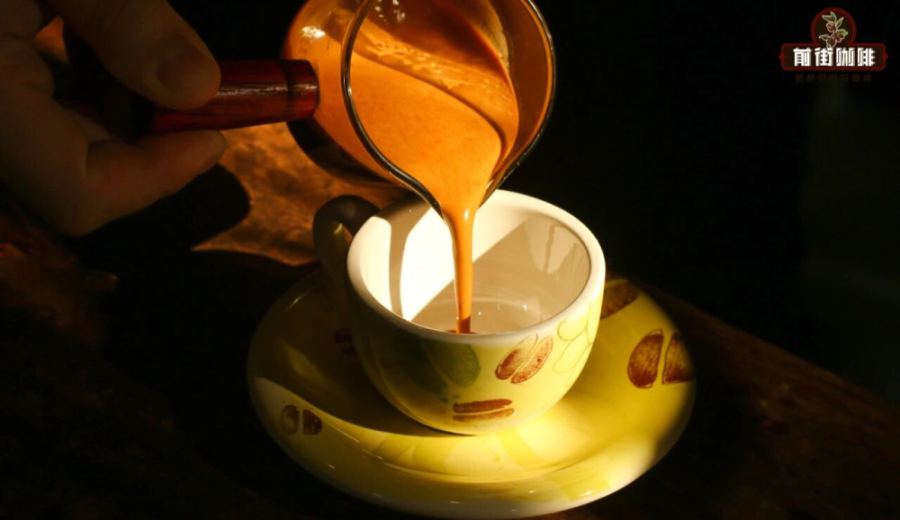
Introduction:Espresso is renowned for its intense flavor and unique aroma, yet it often intimidates beginners due to its high concentration and bitterness. In reality, by mastering the correct way to taste it, you can uncover its richly layered flavors that go far beyond a simple bitterness. This article will delve into how techniques such as stirring, sipping in stages, and pairing with ice water can enhance your espresso experience, while also comparing the core differences between espresso and Americano to help you truly appreciate the charm of this classic Italian coffee.
On social media platforms, espresso often elicits extreme reactions: some are amazed after their first sip, while others frown and give up. Such polarized responses actually stem from a misunderstanding of its flavors. Espresso boasts incredibly rich aromas and layers, but its high extraction concentration makes the bitterness particularly prominent, often overshadowing its delicate scents and aftertaste. To truly savor the essence of espresso, you need some simple yet practical techniques, including how to stir, sip in stages, and pair it correctly with ice water. This article will also help clarify the fundamental differences between espresso and Americano, so you no longer confuse the two.
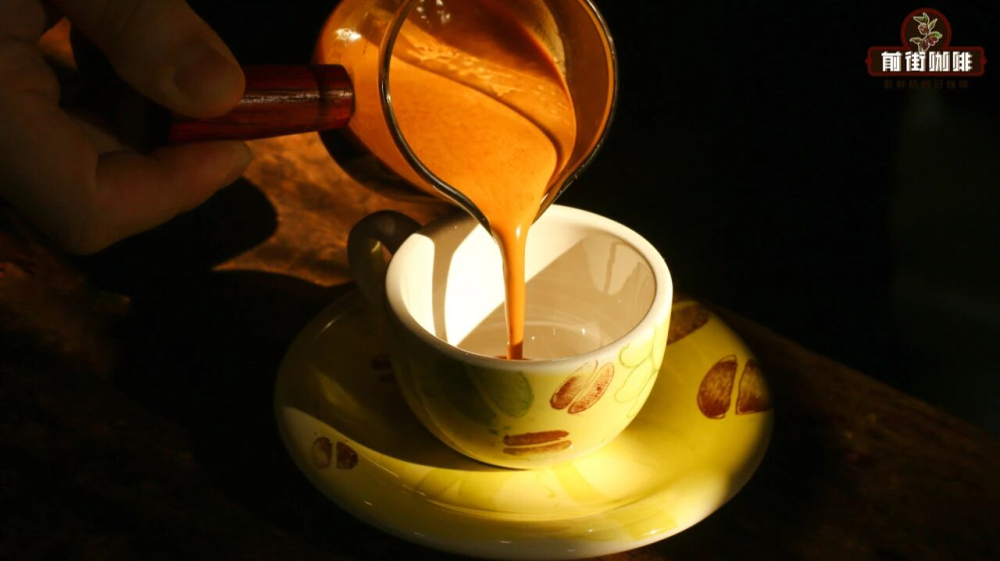 On various social media platforms, a classic scene often plays out: a coffee enthusiast tilts their head back and downs a small shot of espresso in one go, immediately scrunching up their face—but then quickly breaking into a look of surprise and satisfaction. This reaction tempts many to try it themselves, only to be left disappointed after their first personal experience.
Visit any café, and you’ll often see this scenario: a beginner takes their first sip of espresso, full of anticipation—but the moment the bitterness hits, their expression freezes, and they ultimately end up pouring the espresso into the accompanying ice water to make an iced Americano, vowing never to try espresso again.
 That’s why many cafés don’t actively recommend espresso, or even list it plainly on the menu, to avoid negative experiences for beginners who might order it by mistake. But in truth, espresso isn’t as scary as people imagine. Its bitterness is just a surface trait—beneath it lies a wealth of aroma and delicate flavors. The high concentration simply makes the bitterness more noticeable, while other nuanced layers are easily overlooked.
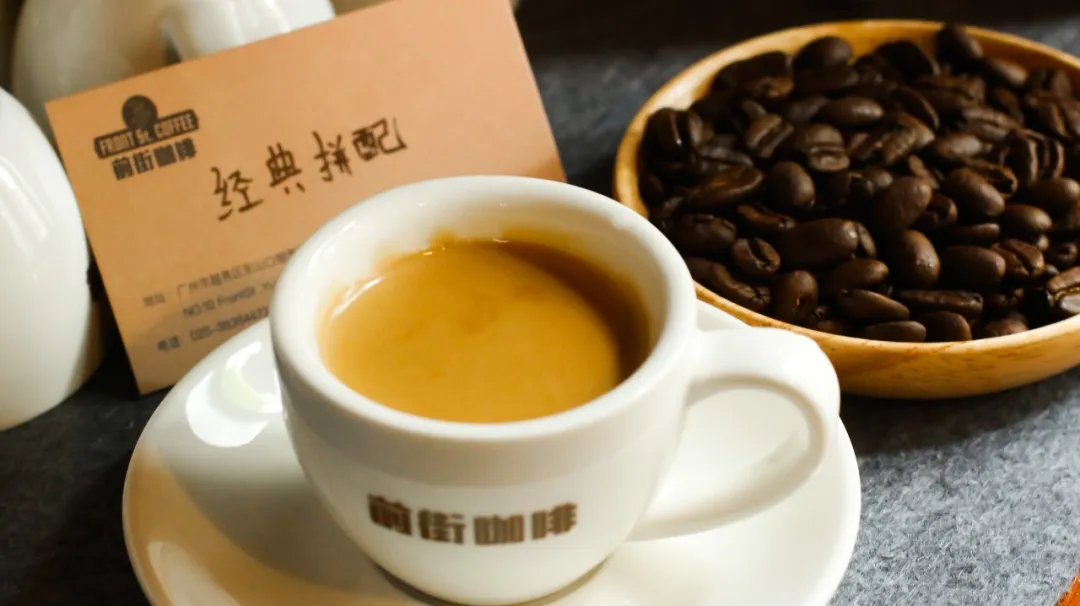
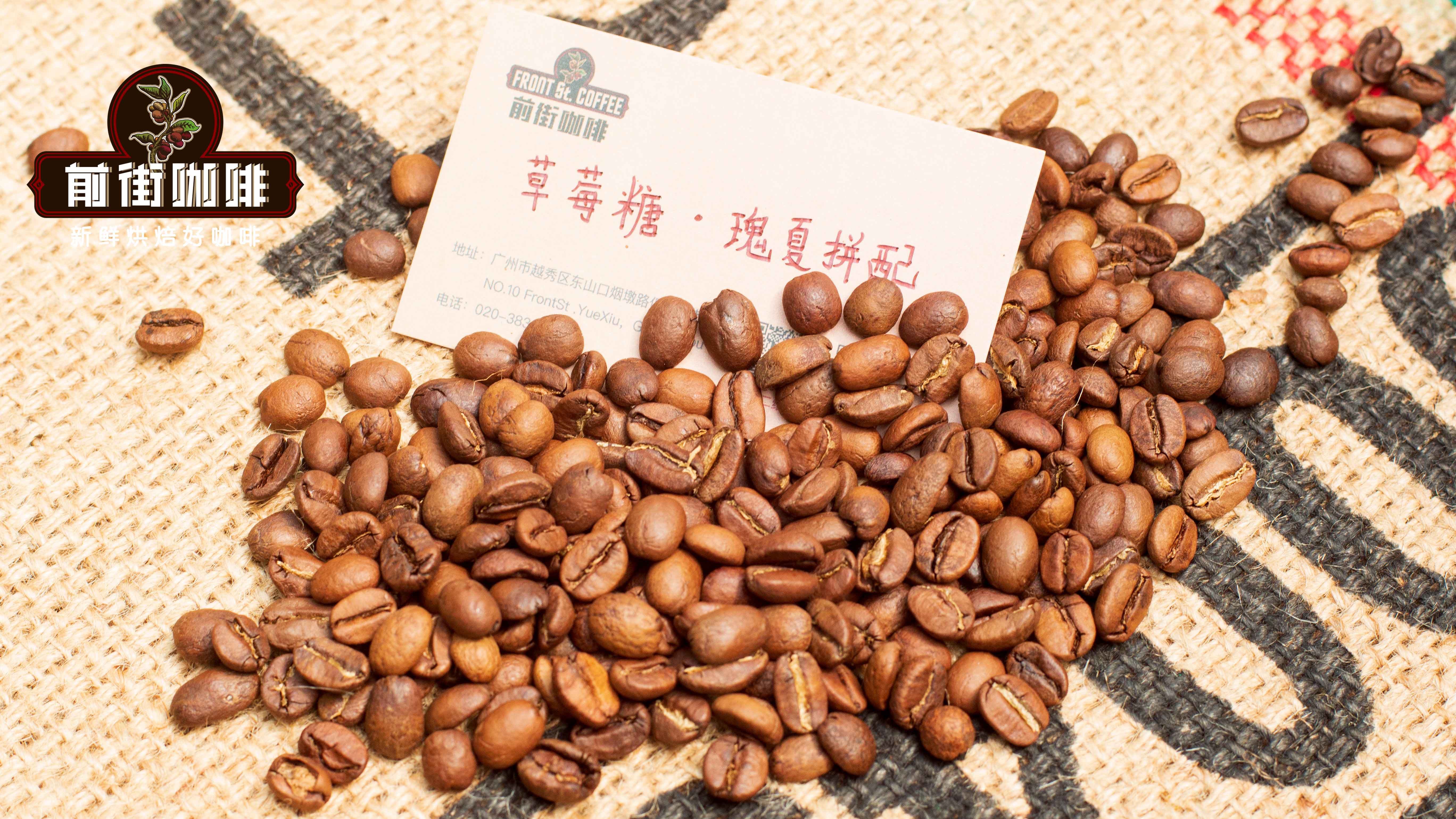
The key to a high-quality Italian espresso lies in using premium Italian-blend beans. If you prefer traditional flavors, opt for a dark roast blend, which typically showcases notes of butter, nuts, spices, and dark chocolate, with a rich crema and bold flavor. If you’re looking for something less bitter, you might choose a fruit-forward blend, such as one that combines elements like strawberry, grape, and sweet orange—offering a more diverse flavor profile with a more pronounced sweetness.
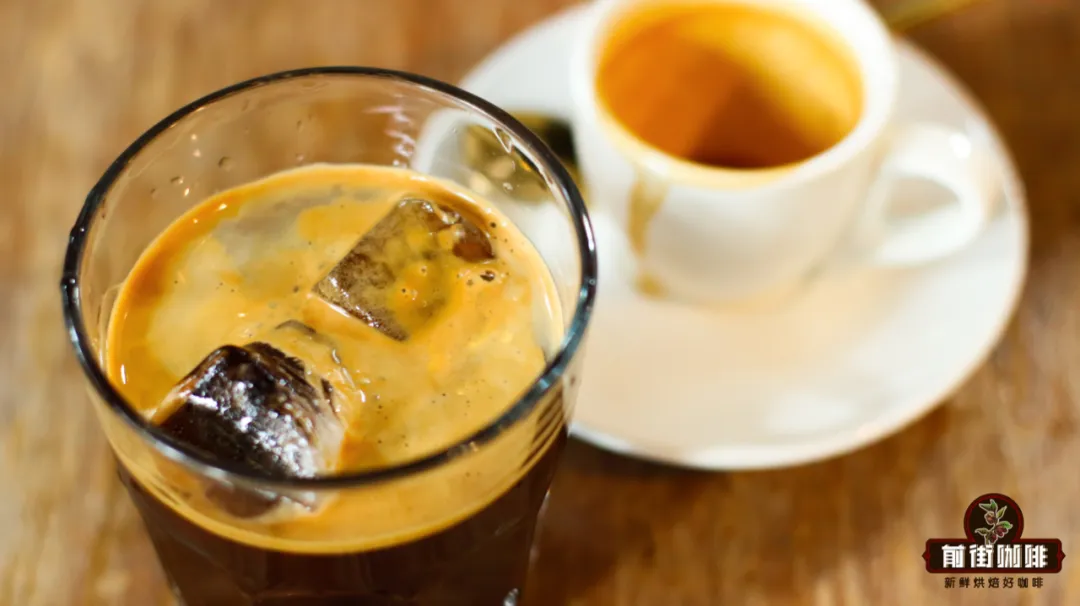 The first key technique in tasting espresso is “stirring.” Many people take only a small sip of espresso, often ending up tasting mostly the golden coffee crema floating on top. While this layer of foam carries aroma, it is low in density and relatively concentrated in bitterness, leading one to mistakenly assume the entire cup is overly bitter. Simply using the small spoon provided to gently stir will evenly mix the crema with the underlying coffee liquid—not only reducing the initial bitterness but also releasing more layered aromas, resulting in a smoother, richer overall mouthfeel.
The second technique is “sipping in stages.” Just like with carbonated drinks, where the first sip is the most intense, the same applies to espresso. Upon first taste, when your taste buds aren’t yet accustomed, the bitterness and intensity may be off-putting. But with the second sip, as your palate adjusts, the perception of bitterness decreases, allowing you to start noticing its aromatic layers—such as acidity, sweetness, and aftertaste. It’s important not to wait too long between sips, as the coffee will cool down, causing both flavor and crema to dissipate quickly and diminishing the overall experience. It’s best to finish the espresso in several quick sips while it’s still hot.
The third technique is “pairing with ice water.” Many cafés serve a glass of ice water alongside espresso, but its purpose isn’t to let you make an iced Americano—it’s meant to be used as a “mouth rinse.” Drinking a sip of ice water before tasting the espresso helps cleanse your palate and reset your taste buds, making you more sensitive to the espresso’s delicate aromas and flavors. This step is especially important for first-timers and can greatly enhance the overall tasting experience.
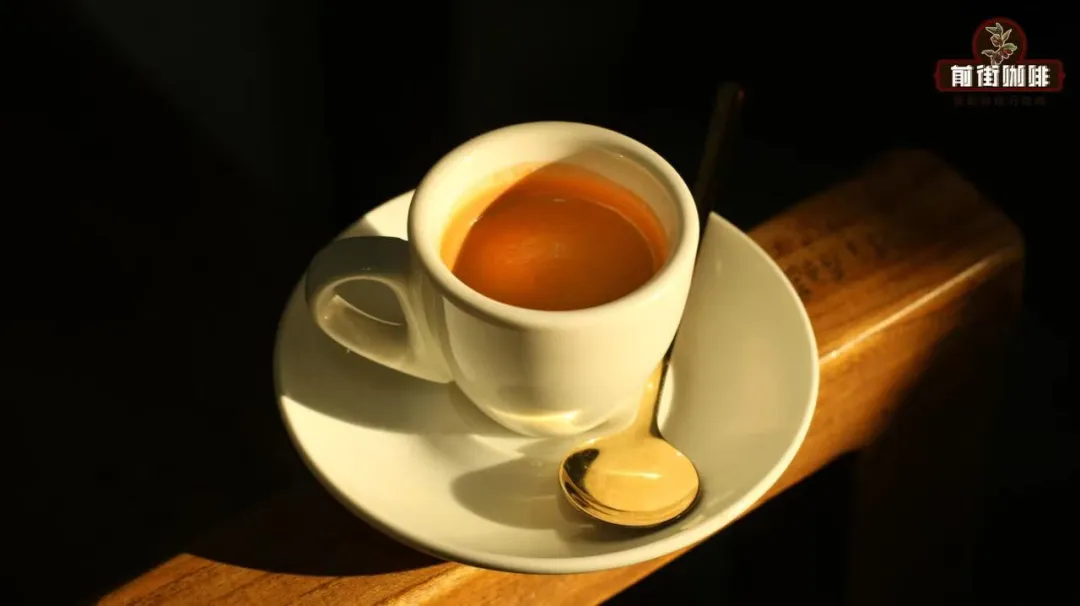 Combining all the above techniques, here’s the recommended full process for tasting espresso: First, take a sip of room-temperature or ice water to cleanse your palate; next, use the spoon to gently stir the espresso, blending the crema and coffee liquid evenly; finally, take the espresso in one sip or several, and it’s advisable to slightly exhale through your nose after swallowing to fully appreciate the lingering aromas and aftertaste in your mouth—that’s the most captivating part of espresso. Repeating this process a few times helps you gradually adapt to and appreciate the layered complexity of espresso.
 Through these methods, you’ll have a better chance of discovering the true charm of espresso, possibly even shifting from initial resistance to enthusiasm. However, it’s worth noting that while these techniques help you more fully experience espresso’s flavors, they can’t completely eliminate its inherent intensity and bitterness. If you truly can’t tolerate the bitterness, consider adding a small amount of sugar—a common practice in Italian coffee culture that can help balance the overall flavor.
The above content is compiled by CoffeeHunters, a coffee news website.


