







Introduction:The cappuccino is a beloved classic milk coffee cherished by coffee enthusiasts around the world. However, in Italy, there’s an unwritten taboo—ordering one in the afternoon may draw curious stares. This article delves into the unique flavor logic of the Italian cappuccino, from the science behind its thick foam, the crucial role of dark roasted beans, to authentic extraction parameters (20g coffee grounds yielding 39g liquid in 28 seconds), and explores why this “breakfast-only drink” rarely appears past noon. It also includes practical tips on controlling foam thickness (1.5cm) and analyzing flavor layers to help you master the traditional method.
In the Italian coffee world, every cup carries its own unique time code. The cappuccino, a classic combination of strong coffee and velvety foam, while widely available globally at any time, hides an invisible clock in Italy—ordering this “mini hamburger” of a milk coffee in the afternoon might earn you puzzled looks from baristas. What exactly has branded this milky coffee as a “breakfast-only” beverage? We break down this Italian coffee tradition from bean selection and brewing details to cultural customs.
Italians’ devotion to coffee is almost akin to a faith, and this daily essential has given rise to numerous unwritten rules. Among them, the unspoken rule that “cappuccinos are only for the morning” is particularly unique—while not legally prohibited, many traditional cafés quietly remove this thick-foamed drink from their menus after 11 a.m. Interestingly, this “tradition” stems not from strict etiquette but is deeply rooted in the local rhythm of life and eating habits.

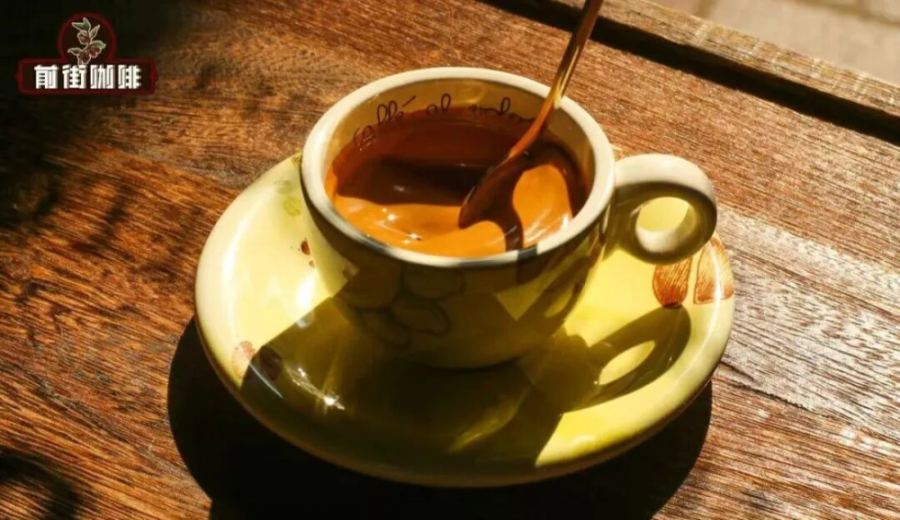
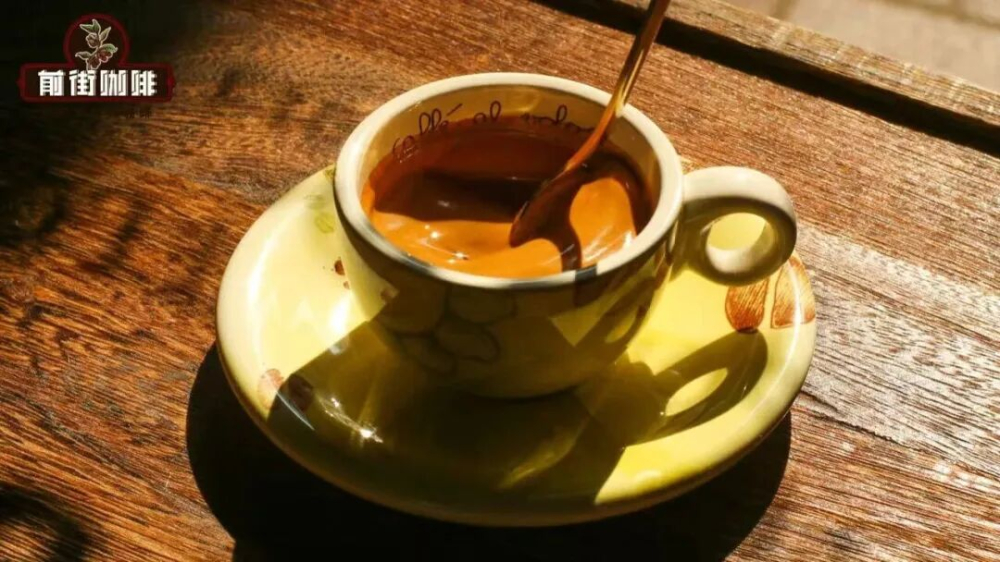
A true Italian cappuccino has three non-negotiable characteristics: first, it must have athick layer of foam(about 1.5 cm thick) that can support the weight of a spoon—these dense bubbles create a uniquely fluffy texture; second, theintense flavor of the espressomust pierce through the foam, so it’s recommended to use dark roasted beans for a rich, toasty taste; third, the cup should be filled nearly to the brim, leaving it about “eleven-tenths full,” allowing the foam to naturally rise like a crown. When making it, fresh milk is first steamed to the ideal foamy state, then combined with precisely extracted coffee—this process doesn’t require pursuing latte art per se; the focus is ensuring all the foam floats evenly on the surface.
Based on local extraction experience, using 20 grams of medium-ground coffee beans and extracting under 9Bar pressure for 28 seconds yields 39 grams of concentrated liquid, a parameter that brings out the optimal thickness of the crema. The fresh milk (150g) is then steamed to 60–65°C to produce a golden ratio of fine micro-bubbles and larger bubbles. The final drink delivers a foretaste bursting with rich caramel aroma, a mid-palate silky sweetness from the milk, and an aftertaste echoing the deep, mellow finish of the coffee.

Why do Italians insist the cappuccino is only for the morning? The answer lies in the structure of the traditional breakfast—a morning meal centered around sweet breads and cakes, which requires a strong coffee flavor and ample milk to balance the sweetness. The thick foam not only provides a sense of fullness but also slows the absorption of caffeine, suiting the slow awakening needs of the early hours. As the clock ticks toward noon, Italians begin to avoid this hot drink: the heavy digestion load after a big lunch calls for lighter beverages, and the short, intense kick of an espresso better fits the need for an afternoon pick-me-up. Historical accounts also suggest that early preservation techniques limited fresh milk availability, with most regions only able to supply fresh milk in the morning—this logistical constraint gradually evolved into today’s drinking custom.
It’s worth noting that modern Italian coffee culture is gradually loosening up. Urban younger generations no longer strictly adhere to the “no cappuccinos after noon” rule, and many contemporary cafés serve this classic drink year-round. But if you want to experience the most authentic Italian version, observe when locals order it—the true coffee connoisseurs often choose this precisely controlled milk coffee art form only when morning sunlight streams into the café.

The above content is compiled by CoffeeHunters, a coffee news website.


