








Introduction:Many beginner coffee enthusiasts often assume that the more types of beans in a blend, the higher its flavor and quality. But is this really the case? This article delves into the essence of coffee blends, explores the science and art behind blending beans, and through brewing tests using over 30 different types of coffee beans, helps you understand that more is not necessarily better when it comes to blends. It also reveals the practical logic behind the common 2 to 5-bean blends found on the market.
Many newcomers to coffee often wonder: which is better—blended coffee or single-origin coffee? Or does using more types of beans in a blend always lead to better performance? With an increasing number of retailers offering blends that combine four or even five or more types of beans, many beginners easily form the impression that the number of bean varieties in a blend directly reflects its quality. However, this is actually a common misconception.
The true core of blended coffee lies not in how many types of beans are used, but in whether the characteristics of each bean complement one another and whether their proportions are just right. This article will first clarify what blended coffee is, then explain the practical problems it can solve that single-origin beans often struggle with, and finally, through a hands-on brewing experiment using more than 30 types of beans, visually demonstrate why “more bean varieties” doesn’t necessarily mean “better flavor,” while also explaining why most commercial blends typically use only 2 to 5 types of beans.

In fact, this is not the first time such a question has been raised. As some brands heavily promote blends that mix multiple types of beans, many beginners naturally associate the idea that the more diverse the blend, the more outstanding the coffee’s flavor and complexity. But in reality, this notion deviates from the essence of blending.
There is no direct correlation between the quality of a blended coffee and the number of beans used. The reason why many people have the impression that “more is better” is partly due to marketing language used by retailers and partly because their understanding of blending techniques is still not comprehensive. Therefore, we first need to clarify: what is true blended coffee? And how does it function in practice?

So-called blended coffee (also known as mixed coffee) refers to coffee made by combining two or more types of beans from different origins, varieties, or processing methods, mixed in specific proportions. On the surface, simply mixing a few types of beans can create a blend, but in reality, this is a highly technical and experience-driven task.
A good blend can achieve flavor goals that are difficult for a single origin or variety to deliver alone. For example, it’s possible to craft a “six-sided warrior” that delivers balanced performance in flavor, acidity, sweetness, and body, appealing to most palates; or to create a high cost-performance option that isn’t expensive but offers surprisingly good flavor; or even to enhance overall flavor stability through blending, avoiding fluctuations caused by individual batches.
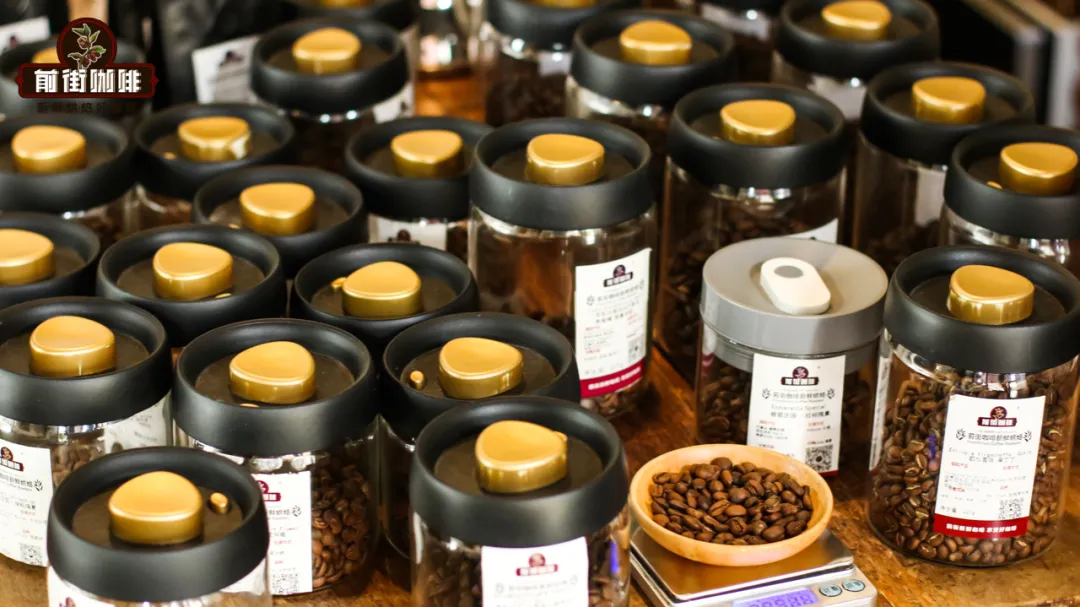
Since coffee is an agricultural product, its flavor performance is highly susceptible to factors such as growing region, climate, processing method, and roast level. Even beans of the same variety from the same region can vary from batch to batch. Using a single bean type makes it easy for flavor inconsistencies to arise due to batch changes, affecting the stability of the final cup. Blended coffee, however, can mitigate such variations effectively through the complementary traits of multiple beans.
When multiple types of coffee beans are combined, the overall flavor results from the collective expression of different beans. Compared to a single origin, if any one bean performs poorly in a particular season or is temporarily out of stock, the overall flavor profile can be maintained by adjusting with other beans of similar characteristics, making the variability of the final product relatively manageable.
Moreover, blends can also create unique flavor combinations that a single bean type cannot offer. By leveraging the strengths of different beans, it’s even possible to develop highly cost-effective recipes. For example, pairing a bright, acidic bean with a mellow, low-acid base can balance the overall taste, resulting in a coffee that is both layered and smooth. The previously launched “Warm Sun Blend” is one such successful example.From this, it’s clear that the essence of blending lies in using science and experience to optimally combine the characteristics of different beans—not simply in pursuing a greater number of types. So, what happens if we do the opposite and blindly increase the number of bean types in a blend? Next, we’ll put this question to the test through a real-world brewing experiment.
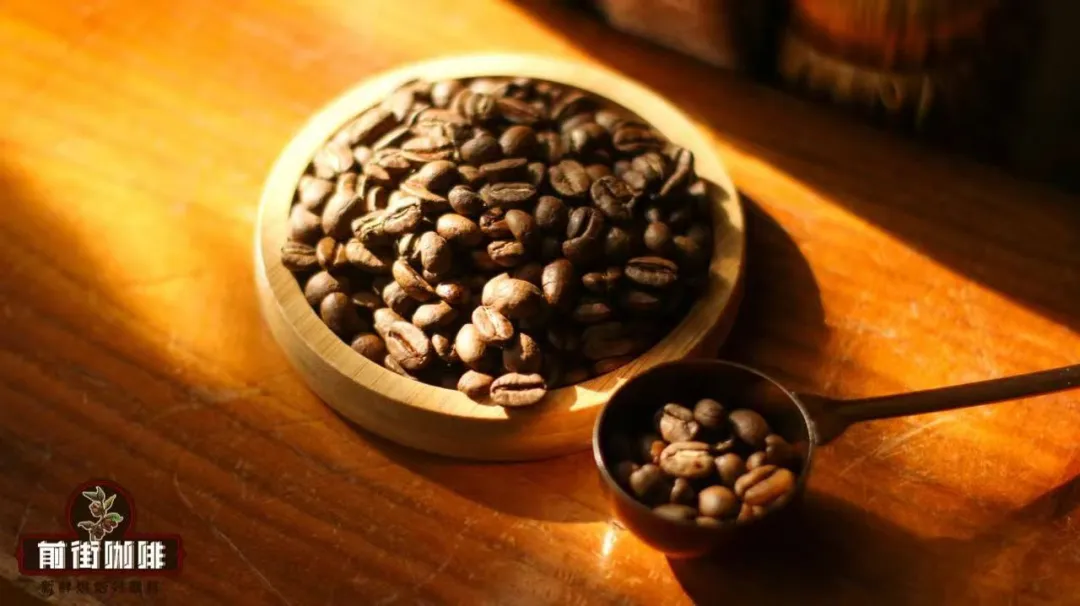
In this experiment, we took three beans each from over 30 different types of beans available in our shop, totaling about 15 grams, to form a “super blend.” We brewed using the pour over method, following typical extraction parameters for light roast coffee (specific values omitted here), with the focus being on observing the actual performance of such a large number of beans mixed together.
The ground coffee still gave off faint notes of berries and spices, but once brewed, the cup offered almost no distinct flavor characteristics. While the overall mouthfeel wasn’t bad and the aftertaste was fairly long, the flavors were very vague and muddled, lacking a clear structure or layers—it almost felt like various tastes had canceled each other out.
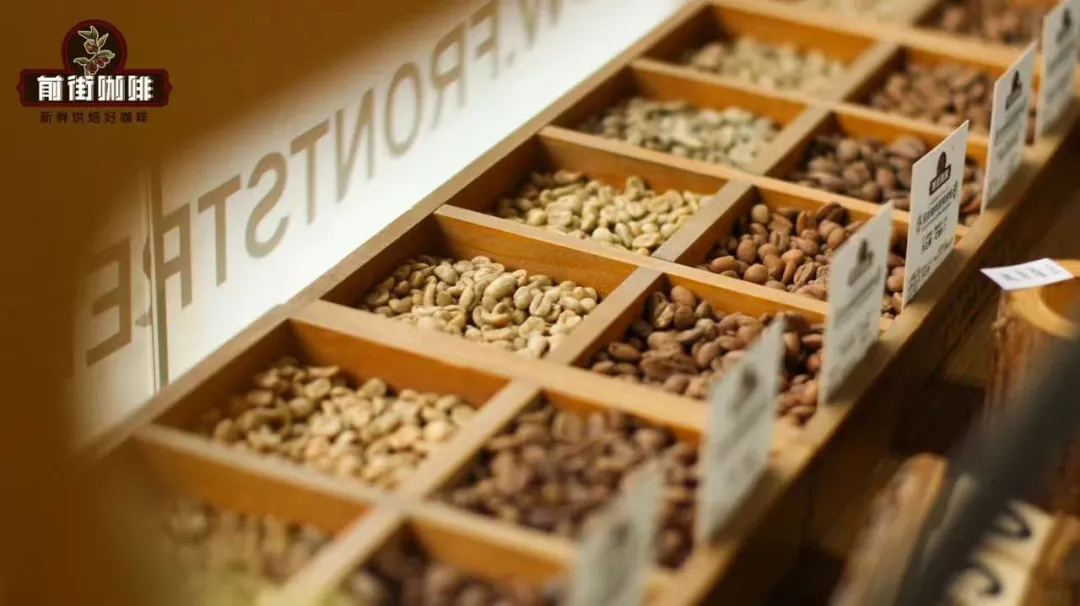
Why did this happen? The key lies in the fact that when too many types of beans are used in a blend—and each is present in equal proportion—no single bean can dominate the flavor profile, leading to interference among various characteristics and ultimately a blurred flavor outline. To put it in everyday terms, it’s like mixing various colors of clay together—not to create a vibrant, creative piece, but instead ending up with a dull gray-brown.
This experiment clearly shows that blended coffee is not “better with more types.” When too many beans are involved in a blend, not only does it require extremely precise proportion control, but it also demands that the flavor characteristics of each bean can harmonize with one another. Otherwise, it may end up blurring the overall profile.
In addition, increasing the number of beans in a blend also significantly raises the complexity of roasting and blending. Different beans may vary in particle size, density, and moisture content, so each type may need its own roast curve. To maintain consistent final flavor, the “roast-then-blend” method is usually adopted—that is, each bean is roasted separately before being blended in proportion. The more types of beans in the blend, the more roast batches are required, not only increasing time and labor but also raising costs.
In short, the challenge of blended coffee doesn’t lie in how many types of beans are used, but in how to create a balanced and stable final product through scientifically proportioned and characteristic combinations. Most common commercial blend recipes on the market control the number of bean types to between 2 and 5—a result of achieving the best balance between flavor performance, stability, cost, and operational convenience.
The above content is compiled by CoffeeHunters, a coffee news website.


