







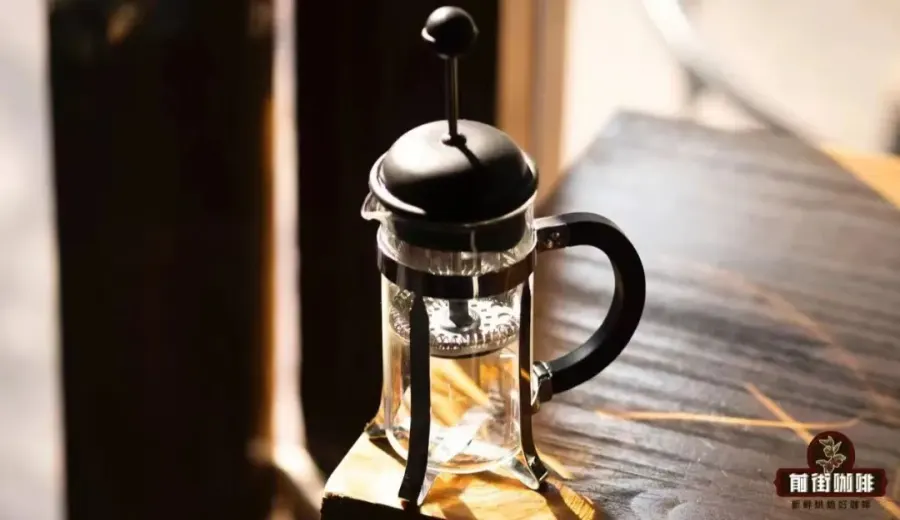
Introduction:Want to easily brew a rich and smooth iced coffee at home? The French press is not only simple to use but also very beginner-friendly. This article will take you in-depth into the key techniques for making iced coffee with a French press, including the ideal coffee-to-water ratio, suitable grind size, water temperature control, and a complete step-by-step guide. It will also explain how to achieve a balanced-flavored iced coffee by using high-concentration hot extraction combined with ice cooling. Additionally, we’ll recommend several coffee beans that are well-suited for immersion brewing, allowing you to easily replicate a professional-grade taste.
During the peak of summer, a chilled, refreshing cup of coffee is the ultimate thirst-quencher. Thanks to its ease of use and high tolerance for brewing errors, the French press has become the go-to brewing device for many coffee enthusiasts. However, most available tutorials focus on hot coffee, with very few detailing how to make iced coffee. This article starts from the basic principles and will guide you through the essential factors for making iced coffee with a French press, including coffee-to-water ratio, grind size, water temperature, and steeping time—so you can easily enjoy a professional-level iced coffee experience at home.
Among various pour over tools, the French press is renowned for its intuitive operation and lack of need for complex techniques. By controlling just a few basic parameters, you can consistently brew coffee with balanced flavors, and it’s also affordable and practical for everyday use. That said, most tutorials focus on hot beverages, with less emphasis on iced coffee applications. This article will focus on how to leverage the characteristics of the French press to craft a rich and layered iced coffee.
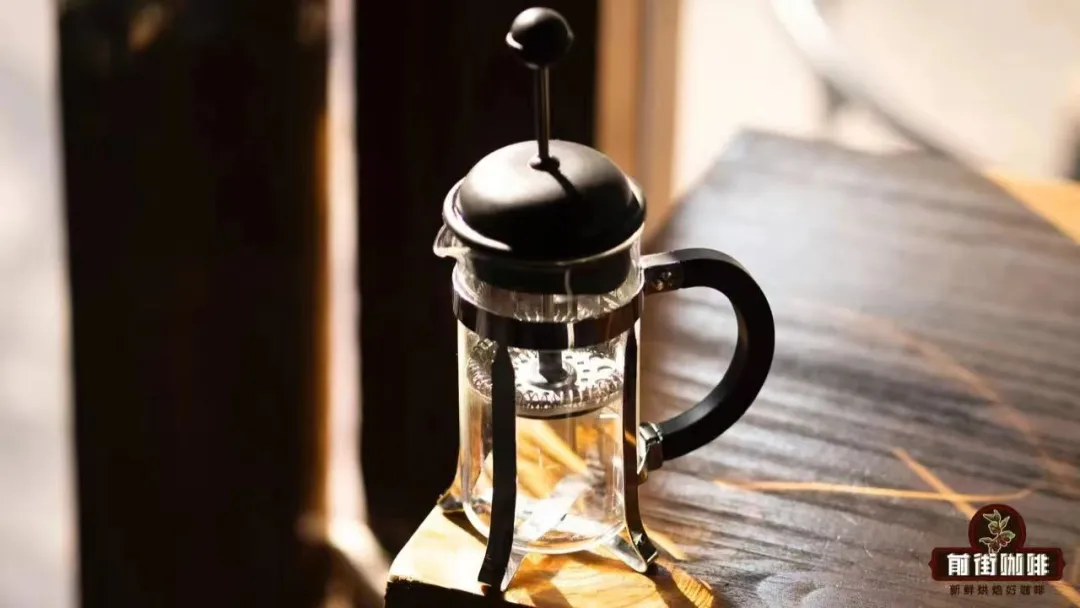
The French press uses an immersion brewing method, which offers a significant advantage in terms of its high error tolerance. When coffee grounds are fully in contact with water, flavor compounds are gradually released over time. Once a certain balance is reached, the rate of release naturally slows down. Even if the brewing parameters are slightly off, it’s less likely to result in over-extraction or under-extraction, making it easy for beginners to get started.
In addition, immersion brewing is relatively forgiving when it comes to bean selection. For those who prefer a bold and rich taste, you might try the PWN Golden Mandheling; if you’re into fruity and wine-like notes, Strawberry Candy or Sidamo are great options; and for a fresh, floral profile, beans from the Fruit Dingding Cooperative are also highly suitable. These diverse-flavored coffees can all showcase their unique charm through the French press.

Another advantage of the French press is its extremely low barrier to entry. There's no need for precise pouring techniques or complicated calculations—just add coffee grounds and water into the pot, let it sit, and then press the filter down after the time is up to enjoy your coffee. This tea-like simplicity makes brewing a great cup of coffee both easy and enjoyable.
To brew a rich iced coffee with a French press, the key lies in first preparing a concentrated hot coffee. Since iced coffee requires the addition of ice cubes to cool it down, and melting ice will dilute the coffee liquid, starting with insufficient concentration can easily lead to a final product that tastes too weak and lacks the depth of flavors coffee should have. Therefore, it’s recommended to adjust the coffee-to-water ratio, water temperature, and grind size to produce a concentrated base, and then use ice cubes to cool it, achieving the best possible flavor balance.

Adjusting the coffee-to-water ratio is the core parameter affecting concentration. It’s recommended to use less brewing water to increase the coffee strength. At the same time, to avoid under-extraction due to reduced water volume, you can improve overall extraction efficiency—ensuring full release of flavor compounds—by increasing water temperature, using a finer grind, extending steeping time, or stirring moderately.
Below are the recommended parameter combinations and brewing procedures, tested in practice, suitable for readers who want to replicate a professional iced coffee taste at home. This demonstration uses a medium-light roasted Sidamo bean with intense fruity and juicy notes, making it especially suitable for summer drinking.

Recommended Parameters:
Coffee amount: 15g (can be adjusted according to the capacity of your French press)
Coffee-to-water ratio: 1:10
Grind size: Similar to fine sugar, approximately at scale 9 on the Ek43 grinder, 85% passing through a #20 sieve
Water temperature: 100°C
Steeping time: Total of 9 minutes (carried out in stages)
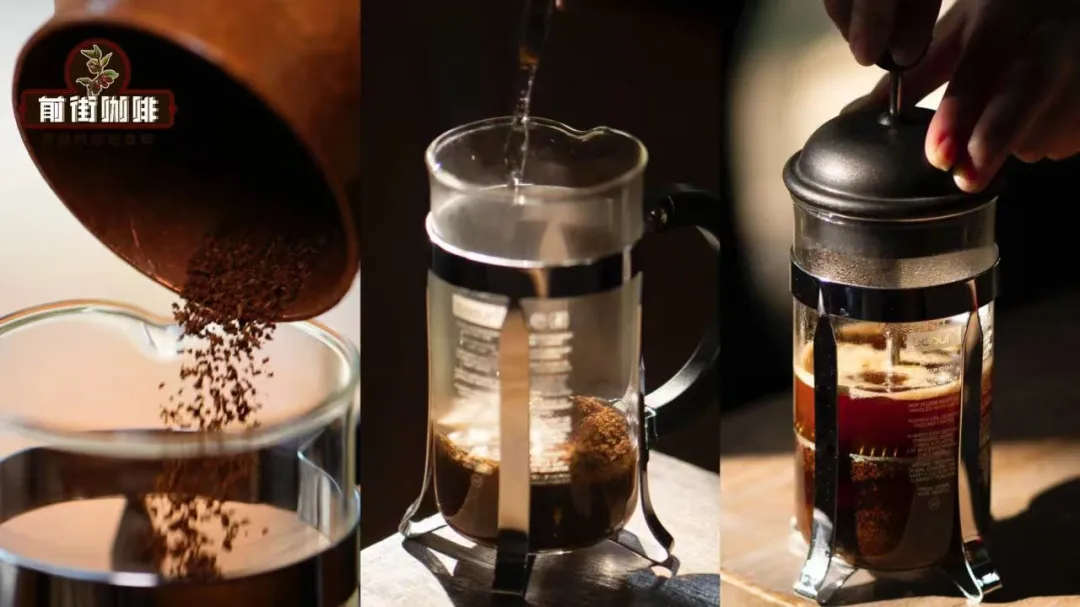
Step 1:Add the coffee grounds and hot water into the French press, gently stir about 10 times, then start the timer and let it sit for 4 minutes. This stage allows the coffee grounds to initially expand and begin releasing flavors.
Step 2:After 4 minutes, use a stirring stick or spoon to gently press the floating coffee grounds into the water to ensure even contact, then continue steeping for another 5 minutes. This helps enhance the overall consistency of extraction.
Step 3:When the time is up, push the filter down to just above the coffee liquid level to prevent over-steeping and avoid over-extraction.
Step 4:Prepare a cup with about 120g of ice cubes, then slowly pour the coffee over the ice to minimize the amount of fine particles entering the cup and ensure a smooth mouthfeel. Give it a gentle stir, and you’re ready to enjoy a rich and refreshing iced coffee.
Quick Tip: If you prefer brighter acidity and more fruity notes, choose sun-dried or honey-processed beans; if you prefer a richer taste, try dark roasted beans. Also, it’s recommended to use ice made from pure water to avoid affecting the original flavor of the coffee. By continuously fine-tuning the parameters, you’ll be able to find the perfect iced coffee recipe that suits your taste.
The above content is compiled by CoffeeHunters, a coffee news website.


