







Introduction:Many beginners to pour over coffee often wonder: Can I use my regular electric kettle at home to brew coffee? The answer is yes, but if you want to brew coffee with outstanding flavor, the slender spout and low center of gravity design of a professional pour over kettle are key. This article will delve into the design principles of professional kettles and provide two practical techniques using a regular hot water kettle that still allow for stable extraction, along with complete parameters, helping you brew great coffee even with your current tools.
A common first question among those who have just purchased beginner pour over gear is: "Can I use my regular electric kettle to brew pour over coffee directly?" The answer is yes, but if you want to brew coffee with clear, layered flavors, the difference goes far beyond simply “being able to boil water.”
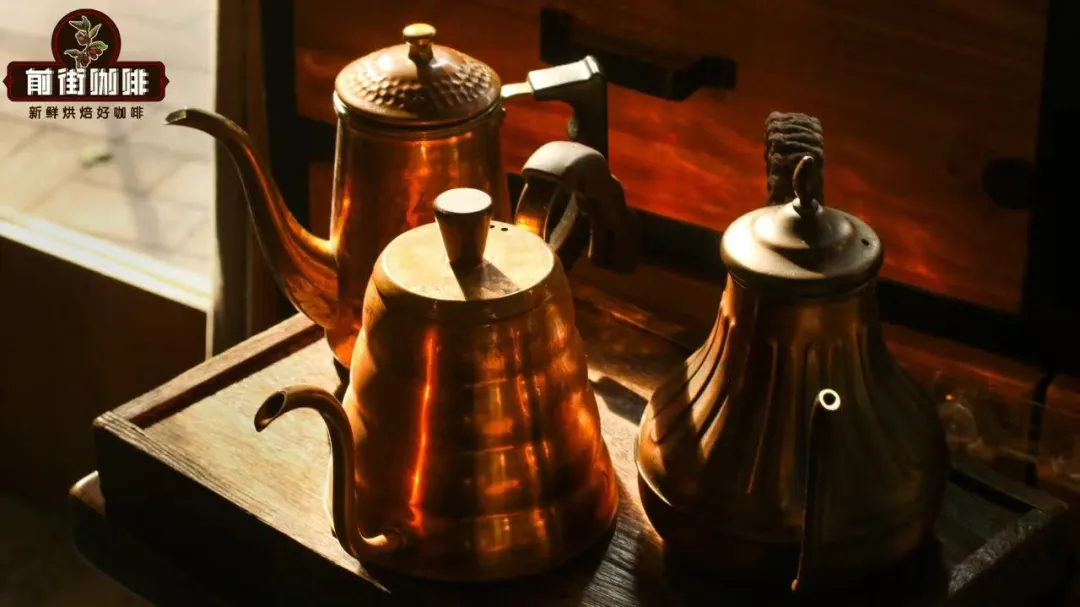
The design of a professional pour over kettle pays attention to details — such as the slender neck and narrow spout, which are designed to let you “pour exactly where you want,” giving you control over both the thickness of the water stream and the stability of the pouring rhythm. This is one of the keys to brewing great coffee. Additionally, the low center of gravity of the kettle body helps maintain a stable water flow even with slight hand movements, reducing interference in the extraction process.
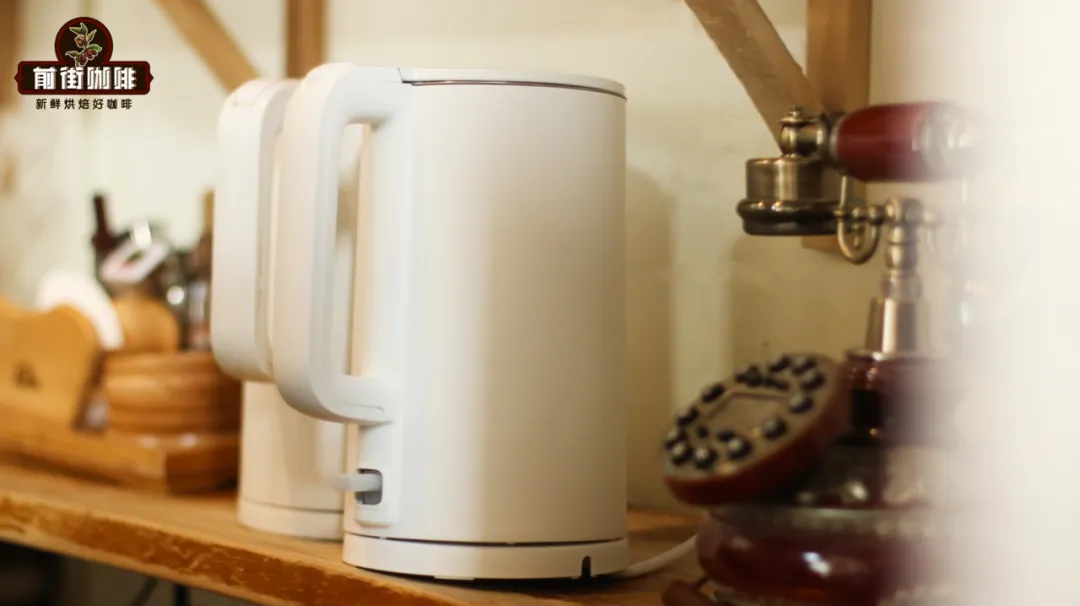
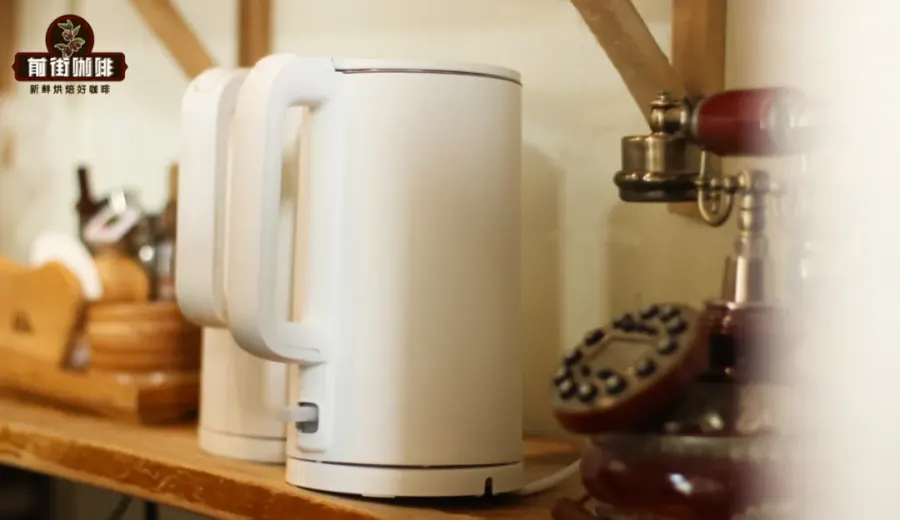
In contrast, standard household electric kettles are primarily designed for quickly boiling water and pouring out large amounts, usually featuring a wider spout and a high-positioned opening, which are not conducive to precise control of the water stream. Furthermore, their tall, straight design with a high center of gravity is more prone to wobbling when pouring, which poses a real challenge for pour over coffee that requires even water distribution. But don’t worry — with the right techniques, a regular hot water kettle can still do the job.

Practical testing has shown that even with a regular hot water kettle, by adjusting the pouring method and using appropriate parameters, you can still achieve a stable extraction with well-balanced coffee flavor. This article will guide you through the design principles of professional pour over kettles, as well as two practical and simple alternative methods, so you can brew coffee efficiently even without a specialized kettle.
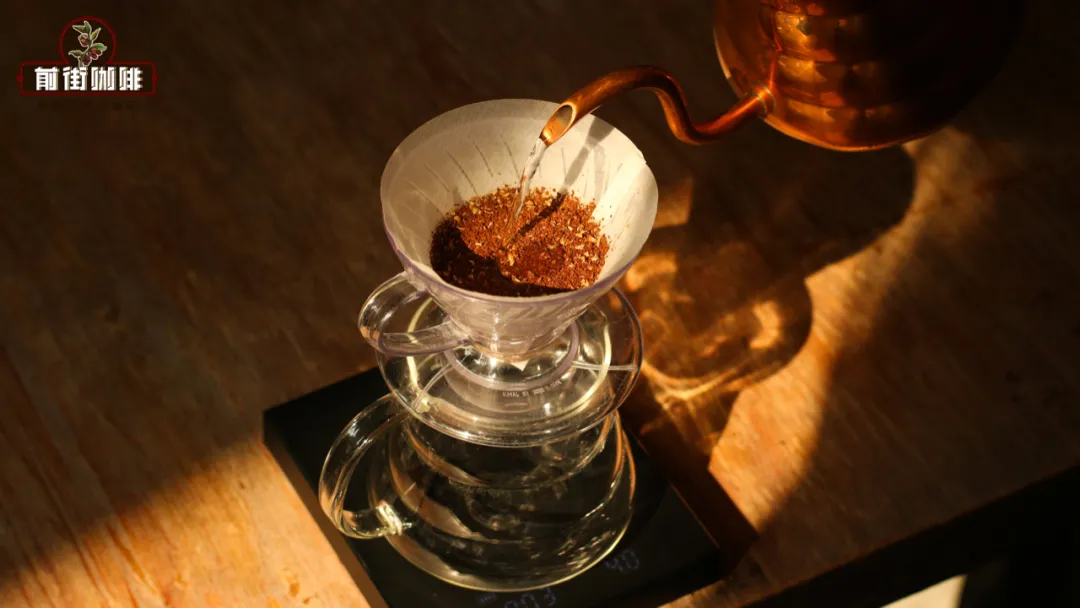
First, why is the slender spout of a professional pour over kettle so important? This type of spout design allows you to easily adjust the thickness of the water stream and execute precise “pulse pouring” or “circular pouring” motions, helping to evenly extract the coffee grounds. In addition, the low center of gravity of the kettle body also effectively counteracts the impact of hand shaking on the water flow, enabling even less experienced users to achieve relatively stable results.
Regular electric kettles, on the other hand, often feature a straight, tall design with a high center of gravity and a wide spout. Not only is it difficult to control the flow rate and direction during pouring, but a larger pouring angle is also required, making it easy to end up with uneven extraction if not handled carefully.
So what should you do if you only have a regular hot water kettle on hand? Below are two practical alternatives that have been tested and proven to help you brew decent coffee using your existing tools.
The first method is suitable for users who want to “replicate the feel of using a pour over kettle as much as possible.” It is recommended to fill the kettle completely with water, using the increased weight to stabilize the kettle’s center of gravity. This reduces the wobbling during pouring, even with a suboptimal spout design, making it easier to control the direction and speed of the water flow. However, be mindful that a full kettle is heavier, and holding it for the approximately one-minute pouring process can be tiring — proceed according to your comfort level.
The second method is simpler and better suited for those who prefer less effort: use a segmented pouring approach, but pour each segment all at once, while using a stirring tool to assist. This method does not require fine control of the water stream; the focus is on evenly stirring the coffee grounds and water, which can also achieve stable extraction.
Here’s a real-world example of the first method: using Panamanian Boquete Geisha coffee beans, which are dense and have delicate flavors — perfect for testing the stability of the pouring technique and extraction effectiveness. The parameters used are as follows:
Coffee dose: 15g
Grind size: EK43 scale 10, equivalent to 75% passing rate through a #20 sieve, roughly the coarseness of caster sugar
Coffee-to-water ratio: 1:15
Water temperature: 92°C (note: with a regular hot water kettle, begin pouring when the temperature is close to 93–94°C, to avoid heating to boiling point)
Brewing method: three-pour
Filter: V60
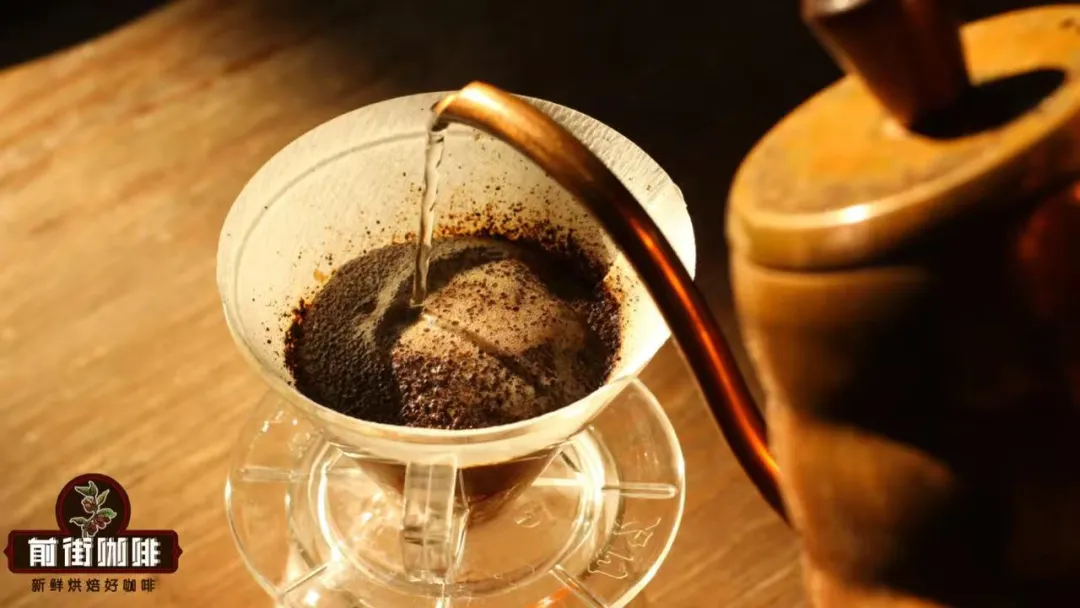
Steps in brief: First, ensure the water reaches 92°C before pouring — a reading of 93–94°C on the kettle is acceptable (note the displayed temperature may be about 2°C higher than actual). The first stage is a 30-second bloom using twice the dose of hot water (about 30ml); the second stage pours 120ml with a small, slow circular motion; the third stage pours 75ml, again using a small stream and tight circles, until completed. Total brew time is about 2 minutes and 10 seconds, and the final cup delivers clear flavors and a rich mouthfeel, showing little difference from a professional pour over kettle.

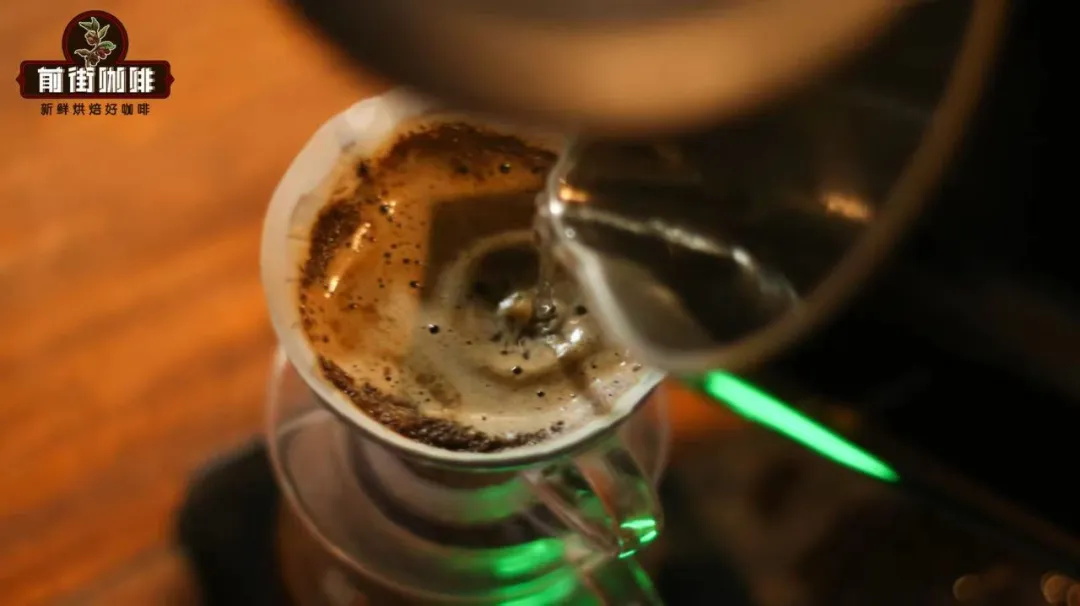
The second method is a more simplified process: pour each segment all at once, then stir the coffee grounds evenly with a stirring stick or spoon to replace the mixing effect of traditional pouring. This method requires almost no control over the pouring technique, making it suitable for those who want to avoid effort or are trying pour over for the first time. As long as the extraction parameters are correct, good results can still be achieved. For detailed steps, please refer to previous test reports.
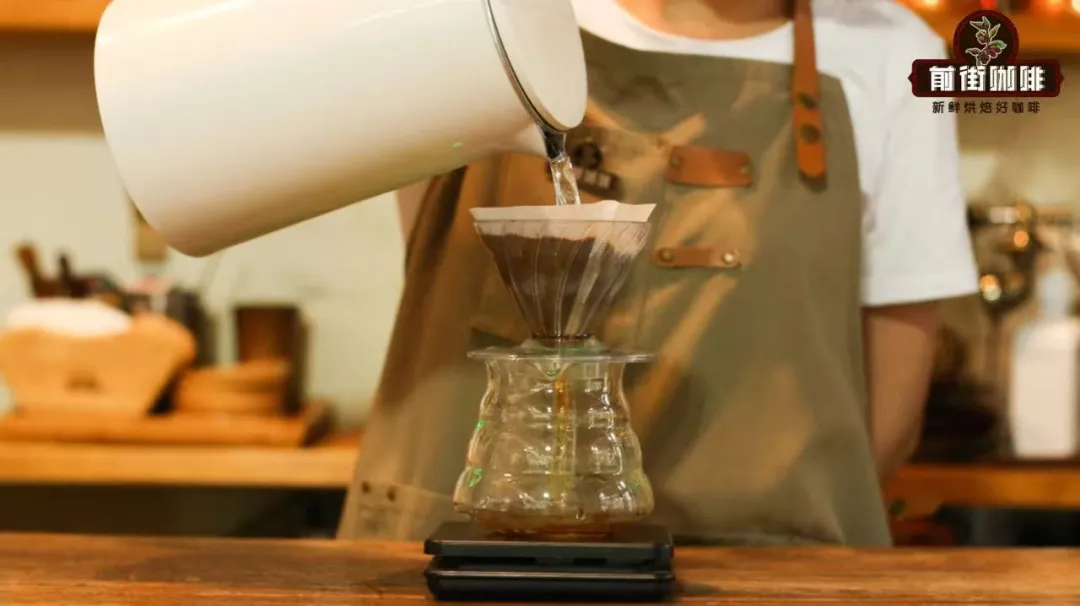
In summary, although the slender spout and low center of gravity of a professional pour over kettle can significantly improve brewing stability and flavor consistency, with the right techniques, a regular electric kettle can also become a reliable helper in your hands. No matter which method you choose, the key lies in understanding how water flow affects coffee extraction, and achieving optimal flavor in every cup through stable parameters and proper technique.
The above content is compiled by CoffeeHunters, a coffee news website.


