







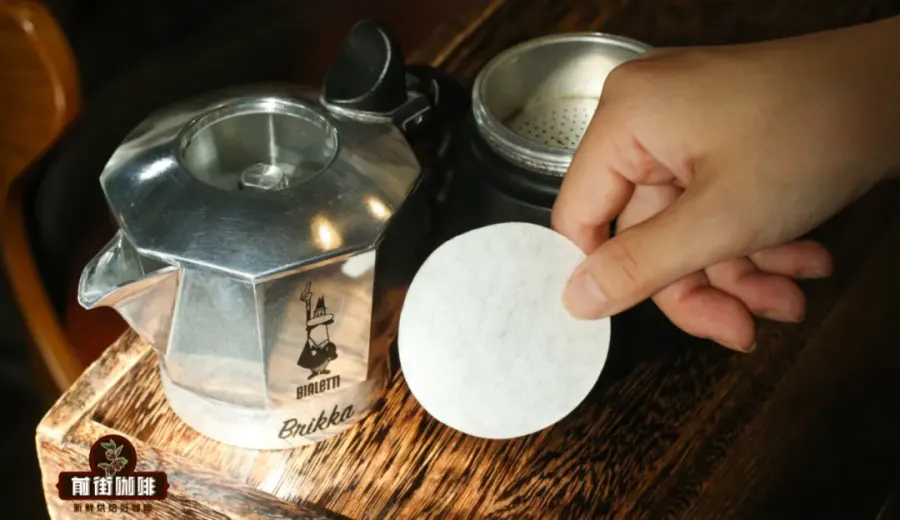
Introduction:Many coffee enthusiasts who use a moka pot often wonder: is it necessary to use filter paper? And how should it be placed to achieve the best results? In fact, filter paper in moka pot brewing not only helps distribute water flow but can also effectively improve coffee taste and make cleaning easier. This article will take an in-depth look at the practical effects of placing filter paper either at the bottom of the coffee chamber or on top of the coffee puck, including its impact on extraction pressure, fine particle filtration, and coffee grounds residue, helping you better understand how to adjust for your ideal cup.
When using a moka pot, both beginners and experienced coffee aficionados often face a common question: do you really need to use filter paper in a moka pot? And if so, where should it be placed correctly? In reality, while using filter paper in a moka pot is not absolutely essential, when placed properly, it can indeed provide some tangible benefits during the brewing process—such as improving water distribution uniformity, reducing coffee grounds residue, and even slightly increasing extraction pressure.
This article will provide a detailed analysis of two common ways to use filter paper in a moka pot—placing it at the bottom of the coffee chamber or laying it on top of the coffee puck—and explore their respective impacts on extraction effectiveness, taste clarity, and ease of cleaning. It will also answer common questions such as “Why does coffee from a moka pot have grounds?” and “How can I improve insufficient extraction pressure?” to help you more comprehensively master the ins and outs of using a moka pot.
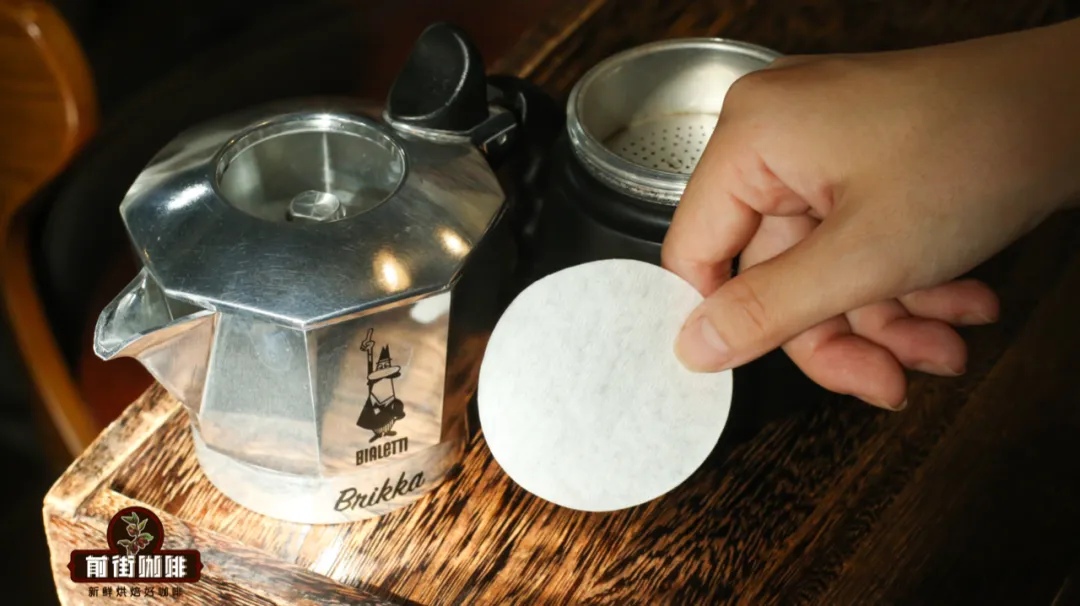
Some may ask: the moka pot already has a metal filter, so why use additional filter paper? In fact, the main function of filter paper is to further intercept fine coffee particles and help hot water penetrate the coffee bed more evenly. Although the built-in metal filter in a moka pot can filter out most coffee grounds, filter paper can still offer extra support in fine-tuning the process.
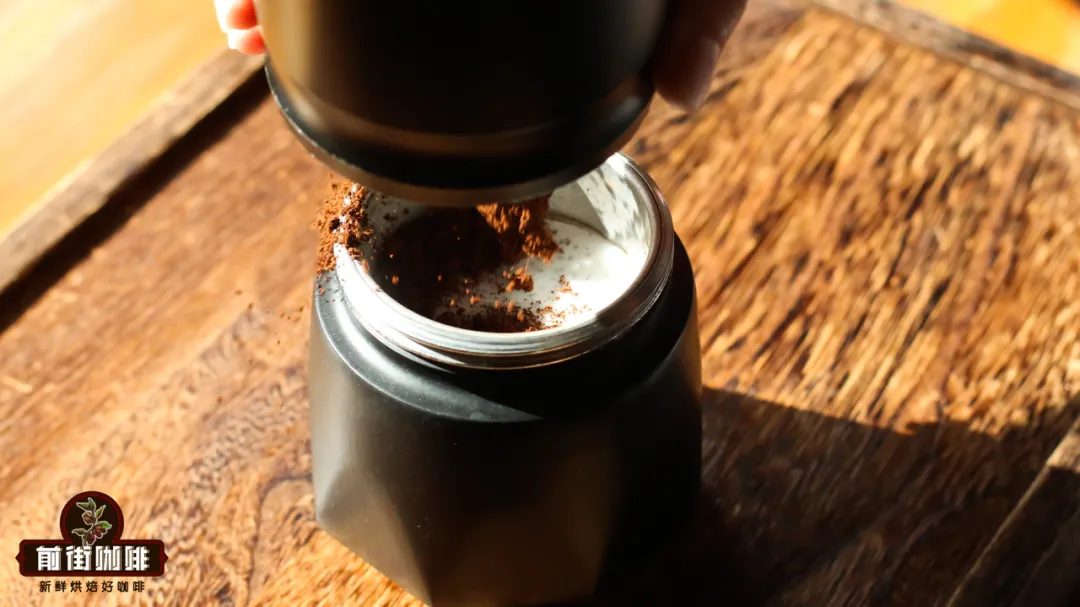
As for where to place the filter paper, the effect varies depending on its position. First, if you choose to place the filter paper at the bottom of the coffee chamber—near the water outlet—it mainly helps break up the flow of hot water, thereby allowing the water to come into more even contact with the coffee grounds. Theoretically, this can lead to slightly better extraction consistency. However, based on practical testing, the actual improvement in extraction uniformity from this method is not very noticeable.
Nevertheless, there is one clear practical advantage: it reduces the amount of coffee grounds that get stuck in the small holes at the bottom of the coffee chamber, making cleanup afterwards much easier.The water outlet holes at the bottom of a moka pot’s coffee chamber are usually designed to be relatively large, and without filter paper, it’s common to find fine coffee grounds remaining lodged in those holes after brewing. This not only affects future use but also increases the difficulty of cleaning. Adding filter paper significantly reduces such clogging, making it a useful little trick for those who care about pot maintenance.
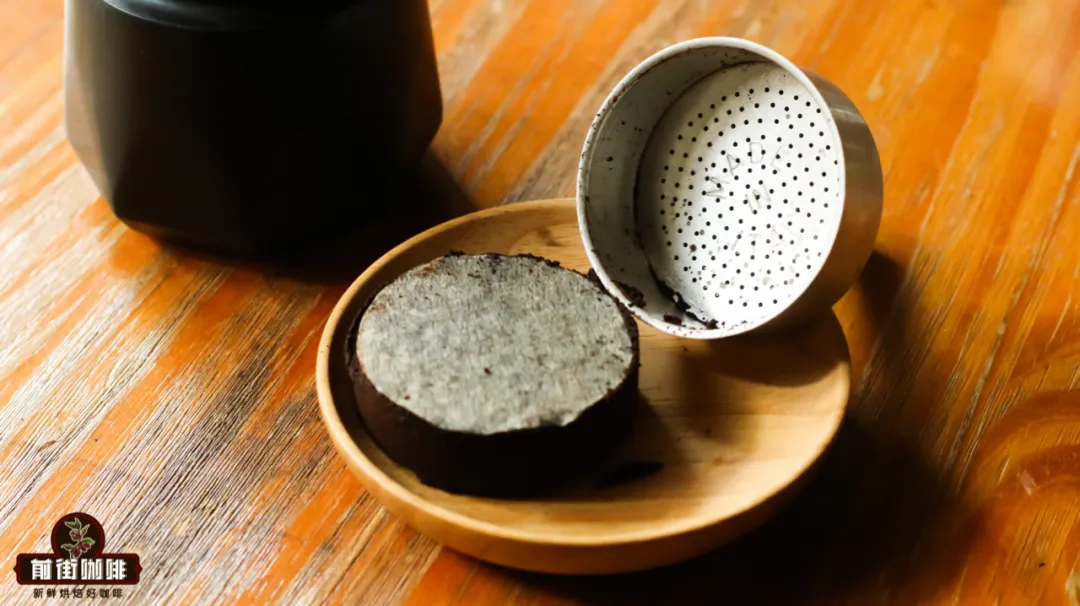
On the other hand, if you place the filter paper on top of the coffee puck—that is, directly covering the surface of the tamped coffee layer—the benefits mainly focus on improving the clarity and mouthfeel of the brewed coffee. Due to the inherently larger pore structure of the moka pot’s water outlets, small amounts of fine coffee particles often flow out along with the liquid during extraction, resulting in a slightly rough or grainy mouthfeel.
By laying down filter paper, these fine particles can be effectively intercepted, making the final coffee in the cup clearer and the taste smoother and cleaner. Additionally, because the filter paper narrows the pathway through which the coffee flows, it means the liquid has to overcome greater resistance to pass through, therebyslightly increasing the extraction pressure, which can help improve overall extraction efficiency in cases where the coffee grind is coarser or the dose is smaller.
However, the degree of pressure increase is not very large, but it can still have a certain impact on the extraction outcome under specific conditions—especially when the coffee dose is insufficient or the grind is not fine enough. Laying filter paper on top can serve as an auxiliary measure to help enhance extraction performance.
In summary, while filter paper is not essential for using a moka pot, when placed correctly according to your needs, it can indeed bring some practical benefits. Placing filter paper at the bottom of the coffee chamber helps reduce clogging of the water outlets and simplifies the cleaning process; placing it on top of the coffee puck can enhance the clarity of the coffee, improve its taste, and to some extent slightly boost extraction pressure.
However, these effects are mostly fine-tuned optimizations and do not drastically alter the overall flavor profile of the coffee. Therefore, whether to use filter paper and which placement method to choose ultimately depends on personal preference and the level of detail you seek in your coffee quality. No matter which method you choose, as long as you’re familiar with the characteristics of your moka pot and the principles of coffee extraction, you can brew a satisfyingly rich cup with a moka pot.
The above content is compiled by CoffeeHunters, a coffee news website.


