








Introduction:Beginners often wonder what kind of coffee beans to use for a moka pot or cold brew, and some even believe that the brewing method must strictly match the bean type. In reality, the key lies in understanding different roast levels, processing methods, and regional characteristics to match your desired flavor profile—be it acidity, sweetness, body, or fruity notes. This article will explain in detail how to choose the right beans based on your personal flavor preferences, analyze the suitable roast ranges for moka pots and cold brews, and provide practical references on roast levels, processing methods, and regions to help you easily find your ideal coffee flavor.
A common issue many beginners face when selecting coffee beans is: what beans are suitable for a moka pot? And which ones for cold brew? Some even think that certain brewing tools are meant for specific types of coffee beans. However, the truth is not so absolute—almost all brewing methods, whether moka pot, pour over, or cold brew, can use beans from any origin. The real focus should be on the flavor you’re seeking. This article will help you dispel misconceptions by examining roast depth, processing methods, and regional traits step by step, guiding you to the most suitable coffee beans for you, along with practical selection tips to make choosing beans less overwhelming.

A common beginner misconception is that a certain coffee tool "must" be paired with a specific type of coffee bean. But in reality, a moka pot can brew both light and dark roasts, and cold brew is not limited to a single flavor profile either. What’s "suitable" more accurately refers to whether the beans can showcase the taste and flavor profile you enjoy under specific brewing conditions. Therefore, before choosing coffee beans, it’s advisable to first reflect on: What kind of coffee experience do you truly desire? A bright acidity, a rich caramel note, or a vibrant fruit-forward flavor? Clarifying this direction will help you accurately select the right beans.
As a first step, it’s recommended to start with your preferred flavor profile to filter for a suitable roast level. Generally speaking, light to medium-light roasted coffee beans, due to their shorter roasting time, retain more of the beans’ inherent acidity and fruity characteristics, offering brighter acidity and richer layers—ideal for those who enjoy a refreshing cup with floral or fruity notes. In contrast, medium-dark to dark roasted beans, due to longer roasting times, have their acidity gradually transformed into caramel, chocolate, and nutty aromas, with more pronounced bitterness, richer body, and lingering aftertaste—suited for drinkers who prefer bold flavors.
It’s worth noting that commercially available coffee beans rarely explicitly label themselves as "light roast" or "dark roast," but you can still judge by the flavor descriptions on the packaging. For example, if the description includes fresh notes like berries, citrus, or floral aromas, it’s likely a light or medium-light roast; if it emphasizes rich scents such as chocolate, caramel, toasted bread, or cream, it’s usually a medium-dark or dark roast bean.

After determining your preferred roast level, you can further refine your selection by using information on processing methods and regions to more precisely match the coffee flavor you’re expecting. Let’s start with processing methods, one of the key factors influencing coffee flavor. Common processing methods on the market include washed, natural (sun-dried), honey, and anaerobic fermentation, each delivering distinctly different flavor profiles.
If you’re after clean, bright acidity and a crisp mouthfeel, washed processing is your top choice. This method removes the fruit flesh and pulp during processing, fermenting only the seeds, resulting in a typically purer flavor with pronounced acidity—great for those who enjoy distinct fruit acids and regional characteristics. Look out for beans described as having citrus, berry, or floral notes.
In contrast, natural (sun-dried) processing involves drying the entire coffee fruit, including the pulp, leading to more complex fermentation with richer, layered flavors often showcasing tropical fruits, wine-like notes, or sweet spice undertones. These beans usually deliver more robust mouthfeels and intense fruitiness, perfect for those who enjoy complex flavors.
Honey processing falls between washed and natural, retaining some of the fruit mucilage during fermentation, resulting in noticeable sweetness and diverse flavor layers, often with notes of honey, caramel, or soft fruit—making it a great balanced choice between acidity and body. As for anaerobic processing, due to stricter control over fermentation environments and timing, it often produces unique fermentation aromas and highly distinctive flavor profiles, appealing to coffee enthusiasts seeking novelty and individuality.
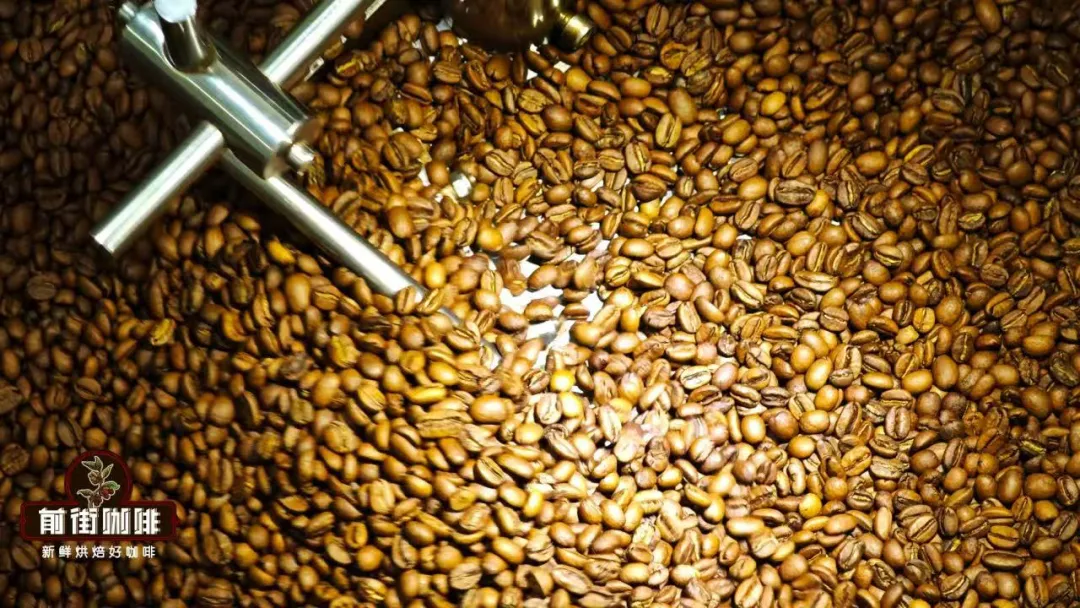
Beyond processing methods, the region of origin is also a critical clue to coffee flavor. Different geographical environments, altitudes, and climate conditions shape the unique character of coffee from each region. For example, Ethiopia and Kenya are renowned for their fruity, floral, and bright acidic profiles, suitable for those who prefer refreshing flavors; Colombia and Panama often exhibit balanced fruit acidity and sweetness, making them friendly choices for beginners.
If you prefer coffee with a rich, nutty, and chocolatey profile, beans from regions like Brazil, Indonesia, or Jamaica are usually better options. These beans are often roasted to medium-dark or dark levels and pair well with moka pots or espresso preparation. Meanwhile, regions like Costa Rica and Papua New Guinea often feature beans with prominent sweetness and balanced mouthfeels, suitable for various brewing methods and likely to satisfy most palates.

Additionally, depending on your intended brewing purpose, you can further adjust your selection. For instance, if you plan to use a moka pot to brew coffee for lattes or cappuccinos with milk, it’s recommended to choose medium-dark to dark roasted beans. These beans usually have richer crema and flavors that blend well with milk without being completely overshadowed by dairy. If you prefer cold brew, since the process is slow and occurs at lower temperatures, it’s generally advisable to opt for medium-light to medium roasted beans to highlight clear acidity and fruity notes while avoiding excessive bitterness.
Lastly, if you have concerns about caffeine intake, you may also consider low-caffeine processed beans, such as those treated with the Swiss Water Process to remove most caffeine. This way, you can enjoy coffee flavors while reducing the risk of sleep disturbance. In summary, there’s no absolute right or wrong in choosing coffee beans—the key lies in understanding your own taste preferences and making a comprehensive judgment based on roast level, processing method, origin, and intended use, so you can find the bean that suits you best.
The above content is compiled by CoffeeHunters, a coffee news website.


