







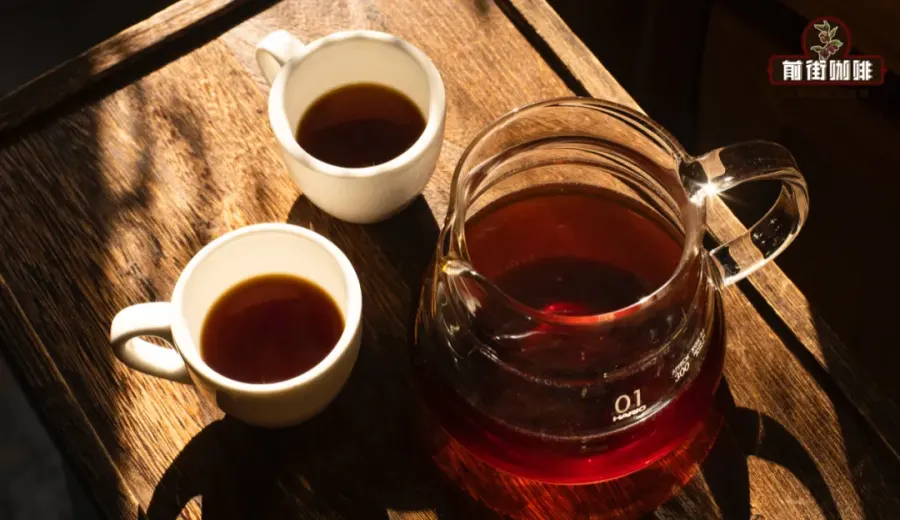
Introduction:Did you know that black coffee actually comes in various forms such as pour over, Americano, and cold drip? Among them, cold drip coffee often commands a higher price due to its lengthy and intricate production process, along with the large amount of ingredients used. This article delves into the true reasons behind the relatively high cost of cold drip coffee, including its unique low-temperature extraction and fermentation techniques, as well as the high-quality coffee beans and substantial coffee grounds required. Understanding these factors will help you appreciate the craftsmanship and cost behind each cup of cold drip.
So-called black coffee refers to a pure coffee beverage made by brewing coffee beans with just water, without adding milk, sugar, or other flavorings. Common forms of black coffee include Americano, pour over, and cold drip. These beverages share the common characteristic of showcasing the most original flavor profile of coffee, free from the interference of additives. However, among all types of black coffee, cold drip tends to be noticeably more expensive—even when using coffee beans from the same origin or roast level, its price is generally higher than that of an Americano or pour over.
This price difference mainly stems from two factors: first, the production process of cold drip coffee is extremely time-consuming, and its overall technique is more complex than other types of black coffee; second, the material costs are higher, as a single cup of cold drip requires significantly more coffee grounds than a pour over. In the following sections, we will take you on an in-depth exploration of why cold drip coffee is so expensive, from the perspectives of its brewing principle, time investment, and material selection.
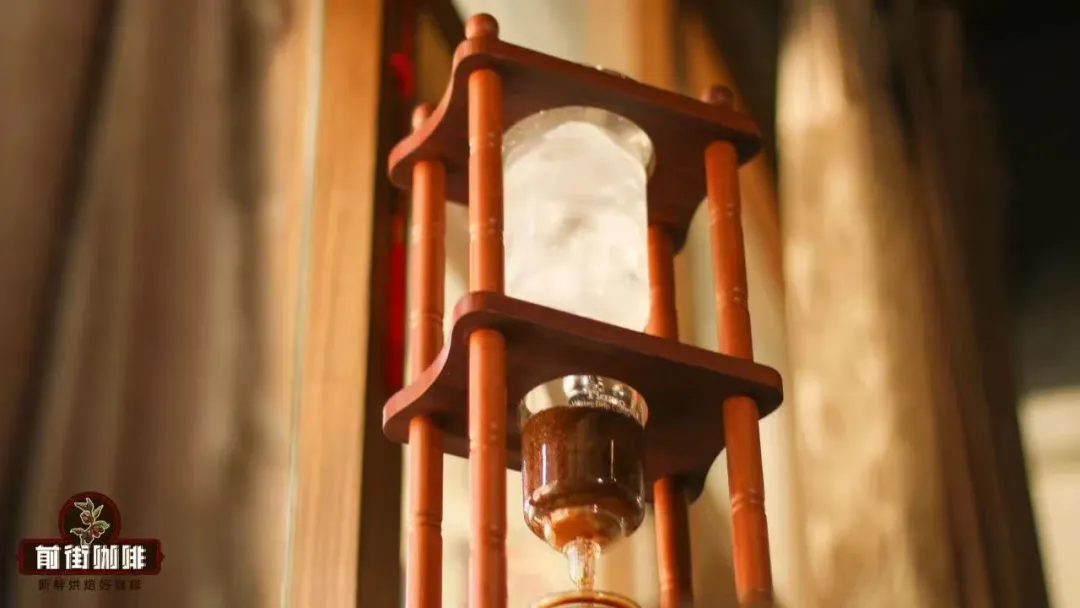
First, cold drip coffee is a type of cold brew, but it differs significantly from the more common cold brew methods. Cold drip involves slowly dripping ice water over coffee grounds at an extremely slow rate, continuously extracting over several hours or even more than ten hours. In this low-temperature environment, the activity of water molecules is greatly reduced, making the extraction efficiency far lower than that of hot water brewing. As a result, it takes a longer time to fully release the flavor compounds from the coffee.
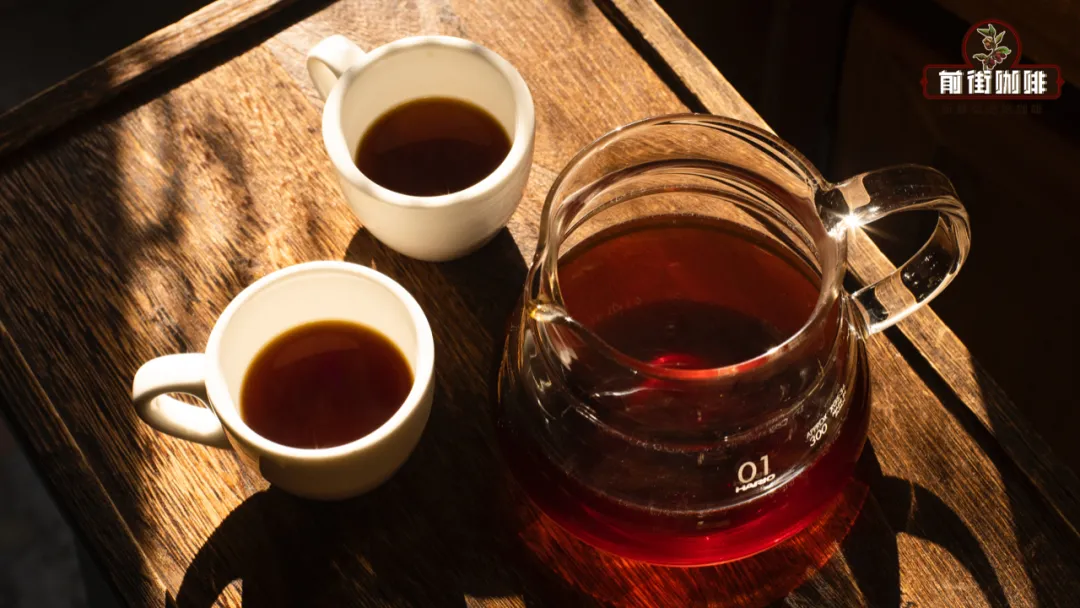
For example, when making cold drip, it is common to use 60 grams of coffee grounds with a 1:10 coffee-to-water ratio, while controlling the rate of ice water dripping to about 7–8 drops every 10 seconds. Even with such precise extraction parameters, the entire extraction process still takes as long as 5 to 8 hours. And this does not include the subsequent aging stage.
After the initial dripping of the cold drip is completed, the coffee liquid does not immediately enter the drinking stage. Instead, it needs to undergo a period of “low-temperature aging” to develop a richer aroma and subtle vinous notes. Typically, the dripped coffee liquid is poured into a sealed container and refrigerated for at least 8 hours, sometimes even longer. This fermentation process is crucial for shaping the flavor of the cold drip and is a key step that distinguishes it significantly from regular cold brew.
Overall, producing a pot of about 600 milliliters of cold drip coffee, from the start of dripping to the point it is ready to drink, often takes more than 13 hours, or even longer. And the resulting coffee liquid usually yields only about 3 cups (based on a standard of 200 milliliters per cup with 1–2 ice cubes). In comparison, the production time for a pour over or Americano is only a few minutes, and the same amount of coffee can be quickly served in over a dozen cups—the time cost difference is as much as dozens of times.

In addition to time costs, material costs are also one of the main reasons why cold drip coffee has a higher price. Because cold drip uses extremely low-temperature, long-duration extraction, to compensate for the lower extraction efficiency and to showcase more delicate and complex aromas, producers usually opt for high-quality single-origin coffee beans that are rich in aroma and layered in flavor.
When it comes to bean selection, common strategies include: if pursuing floral notes, beans like “Butterfly Pea” or “Hua Kui” are good choices; if aiming for bright acidity and juicy flavors, the “Little Tomato” bean variety is a common favorite; if preferring intense fruity aromas, then specialty regional beans such as “Strawberry Candy,” “Xi Zha,” and “Blackberry” are also excellent options. These beans are usually more expensive, and because cold drip coffee requires up to 60 grams of coffee grounds per pot, yielding only 3 cups, the material cost increases significantly compared to pour over output (where typically 15 grams of coffee can make a pot of about 3 cups).
In summary, the reason cold drip coffee is priced higher is not just because of its unique production technique and lengthy wait time, but also because of its emphasis on refined raw material selection—each cup embodies a significant investment of time, skill, and high-quality beans. Understanding these behind-the-scenes details may allow you to better appreciate the care and value in every sip of cold drip when you taste it.
The above content is compiled by CoffeeHunters, a coffee news website.


