







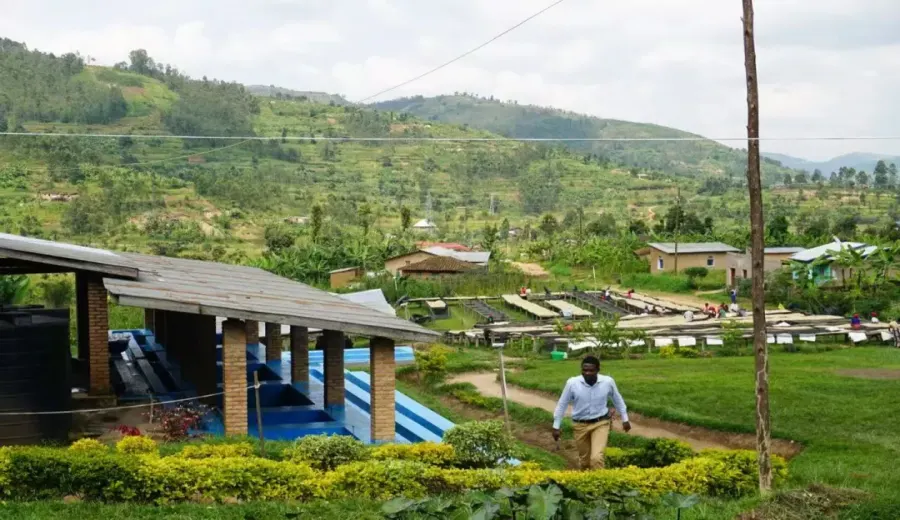
Introduction:Although Rwanda is a small African country, it is renowned for its high altitude, volcanic soil, and washed processing method, producing top-tier coffees with delicate flavors. This article delves into the characteristics of its main variety—Red Bourbon—as well as the key steps in washed processing, and how the Southern Province’s unique terroir shapes its distinctive cup profile of berries, apricots, and green tea. Discover the flavor essence and selection tips for this specialty coffee.
Although Rwanda is a landlocked country in Central Africa, its "Land of a Thousand Hills" terrain, fertile volcanic soil, and abundant water resources have created world-class specialty coffee. What’s presented here is not just a simple introduction to Rwandan coffee, but a comprehensive analysis covering its geographical environment, cultivated varieties, production techniques, and actual flavor performance—explaining why it consistently ranks among the best. Readers will gain an in-depth understanding of why over 90% of the coffee planted is Red Bourbon, why washed processing has become the mainstream, and how the southern and western regions influence the coffee’s flavor.
Rwanda is located in south-central Africa, completely surrounded by other countries with no coastline. Its neighbors include Burundi to the south, Tanzania to the east, Uganda to the north, and the Democratic Republic of the Congo to the northwest. The country is characterized by rolling mountains and layered elevations, including five volcanoes, earning it the nickname "Land of a Thousand Hills." Additionally, it has over 23 lakes and numerous rivers, ensuring ample water supply—an ideal condition for coffee cultivation.
Similar to its neighboring major coffee-producing nations, Rwanda’s climate is highly suitable for coffee cultivation. Located south of the equator, it has a temperate-to-tropical highland mixed climate, with an average annual temperature of around 24–27°C—slightly lower than typical equatorial regions, which aids in the slow maturation of coffee cherries. Moreover, there are two distinct rainy seasons each year, providing stable and ample moisture to help the cherries accumulate sugars and flavors.
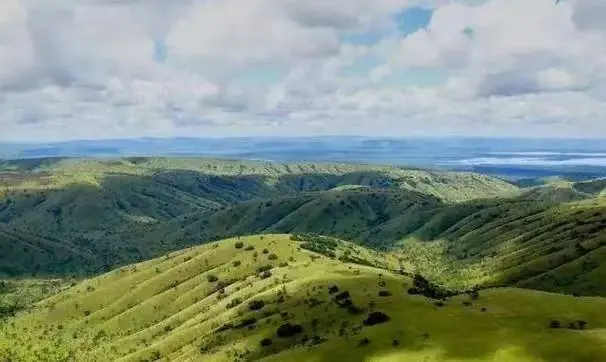
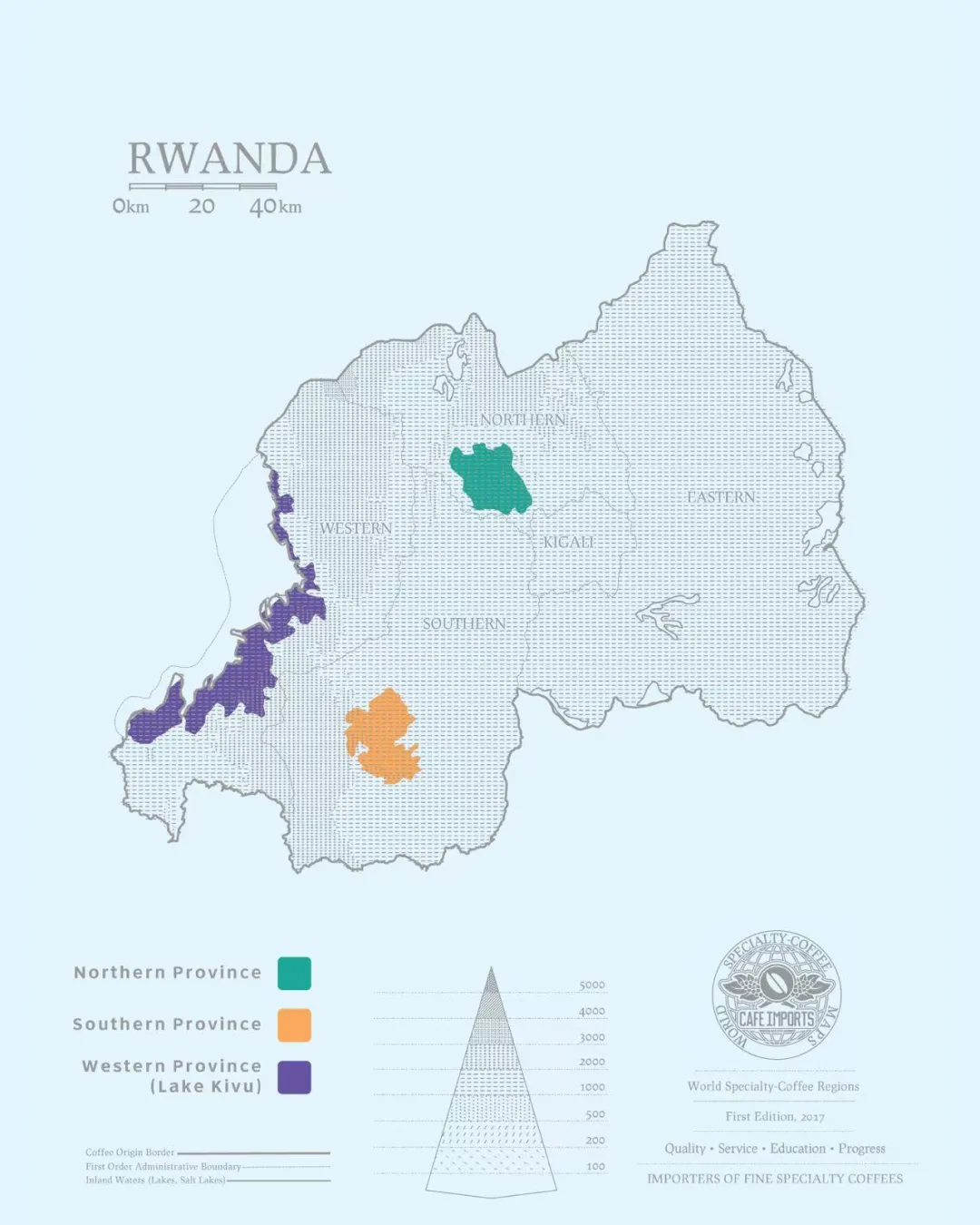
Coffee in Rwanda is primarily grown in the southern and western regions, where altitudes are relatively high, typically ranging from 1500 to 1700 meters. These areas are cooler than the eastern lowlands, with significant day-night temperature variations. Such conditions slow the ripening process of coffee cherries, facilitating the accumulation of sugars and flavor compounds, resulting in more complex cup profiles. The mineral-rich volcanic soil also provides diverse nutrients essential for coffee tree growth, giving the coffee here inherently high-quality potential.
In terms of varieties, Rwanda mainly cultivates three types of coffee: Red Bourbon, Catuai, and Catimor. Among these, Red Bourbon accounts for over 90% of total production, making it the dominant cultivar. The Bourbon variety originated in Central America, later spread to Puerto Rico, entered the Congo in the 1930s, and reached Rwanda about 20 years later, gradually becoming the primary variety planted locally.
Bourbon, part of the Arabica family, is renowned for its exceptional flavor profile. However, like Typica, it has relatively weak disease resistance and lower yields per plant. As a result, many countries that once primarily grew Bourbon have shifted to higher-yielding and easier-to-manage varieties like Catuai and Catimor. Yet, Rwanda, due to its unique environment and flavor-focused approach, continues to prioritize Red Bourbon, giving its coffee a distinctive character.
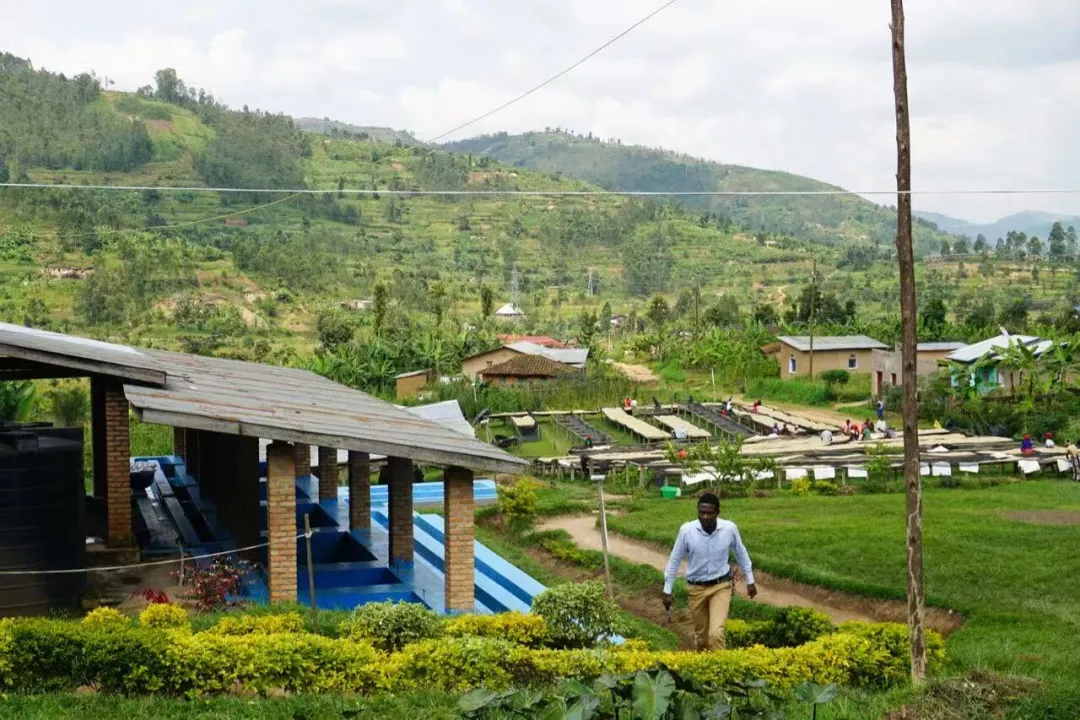
Coffee production in Rwanda is dominated by smallholder farmers. Under the government-driven PEARL project (Partnership for Enhancing Agriculture in Rwanda through Linkages), coffee processing methods have gradually transitioned from rudimentary on-farm processing to centralized professional washed processing at washing stations. Launched after 2000, this initiative aimed to rebuild the coffee industry damaged by internal conflict, helping farmers achieve higher incomes through improved quality and yield, thus creating a positive cycle.
As the program progressed, Rwanda established dozens of washing stations, which have now grown to over 200 private washing stations operated by green bean exporters or cooperatives. Washed processing is characterized by lower fermentation levels and high stability, effectively highlighting the beans’ pure flavors while minimizing impurities and off-flavors.
The specific steps of washed processing include: first using flotation to remove unripe or defective beans, then stripping the pulp and flesh with a depulper; next, the mucilage-covered beans are fermented in water, followed by thorough rinsing to remove residual mucilage; finally, the parchment-covered beans are sun-dried until their moisture content drops to 11–13%, after which the parchment layer is removed, preparing them for storage or export.
Because washed processing imparts a cleaner and brighter flavor profile—and given Rwanda’s abundant water resources—this technique quickly became widespread, establishing itself as the representative processing method for the country’s specialty coffee. Over the years, Rwanda’s premium washed coffee has earned high acclaim in the global market.
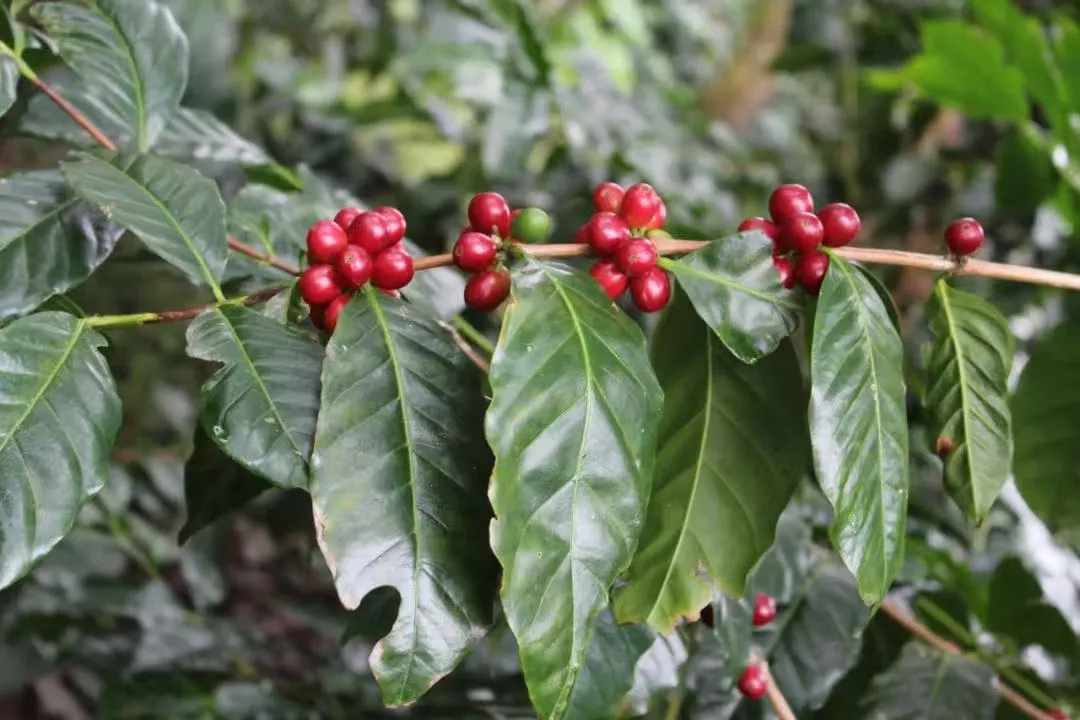
Rwanda’s high-quality coffee primarily comes from high-altitude regions in the south and west, such as the Huye Mountains and Nyamagabe area in the south, and the Nyamasheke region by Lake Kivu in the west. These areas not only feature high elevations and ample rainfall but also benefit from an optimal combination of environmental factors, yielding coffee with rich flavor layers, bright acidity, and long-lasting aftertastes.
After repeated cuppings, a certain coffee brand ultimately selected washed Red Bourbon beans from the Nyamasheke region in the west as one of the representatives in its everyday coffee series. Grown in the uniquely favorable environment of the Nshili area, this coffee is processed using the washed method, perfectly showcasing the regional characteristics and refined flavors of Rwandan coffee.
This Rwanda · Washed Red Bourbon coffee is grown at altitudes of 1500–1700 meters, with the Red Bourbon variety and washed processing. Upon tasting, its flavor profile includes delicate notes of berries, apple, green tea, and apricot, with balanced acidity and sweetness and distinct layers. It’s suitable for daily drinking or as an entry-level choice for pour over enthusiasts.
To highlight its regional characteristics, it’s recommended to roast it to a medium-light level and perform cupping 8 hours after roasting to accurately capture its fresh fruity and subtle herbal notes. During cupping, the dry aroma carries the refreshing scents of apple and green tea, accompanied by delicate floral notes. After hot water is poured, the berry and green tea aromas become even more pronounced. On the palate, the initial impression is the sweet-tartness of berries, followed by the soft sweetness of apple and apricot, with a lingering aftertaste of green tea and apple freshness. The overall mouthfeel is clean and solid—a high-quality specialty coffee that balances flavor and complexity.
The above content is compiled by CoffeeHunters, a coffee news website.


