








Introduction:When making cold brew at home, the oily layer on the surface and fine sediment at the bottom often raise concerns about spoilage or unclean equipment. In fact, this is related to the release of water-soluble fats in coffee beans. This article delves into the causes of cold brew oils, compares how different filter materials affect taste through their pore characteristics, and provides tips on using paper filters for a second filtration and letting the brew rest to enhance juiciness and clarity. It also teaches you how to properly clean your equipment to avoid rancid flavors.
Many people who make cold brew at home have encountered an oily sheen on the surface or even fine sediment settling at the bottom. These phenomena often worry coffee enthusiasts—Is the coffee spoiled? Is the equipment not clean enough? Actually, these floating substances are related to the water-soluble fats in coffee beans. During low-temperature steeping, these fats are slowly released into the liquid, and upon cooling, they form the oily layer we see.

The flavor of cold brew is influenced by many factors, including core parameters such as coffee bean variety, grind size, coffee-to-water ratio, and steeping time. Additionally, details like whether the coffee is stirred sufficiently, the cleanliness of the container, and the quality of the water can subtly alter the final flavor profile. Compared to other brewing methods, cold brew is relatively flexible in its equipment requirements—as long as the container is hygienic, odor-free, and capable of sealing for storage, it can get the job done.

Before exploring the cause of the oil layer, we need to understand the nature of this “oil.” Readers familiar with espresso may recognize the crema on top of a shot—it consists of oils and carbon dioxide and reflects the freshness of the beans. What appears after the crema dissipates is the true coffee oil. Similarly, in pressure-based brewing methods like French press, when medium to dark roasted beans are used with large-pore metal filters, oils and very fine particles can easily seep through, resulting in a murky taste.
Although cold brew is performed at low temperatures, water-soluble fats are still slowly released, which then condense to form the oily layer. While cold brew is not very restrictive in terms of equipment, the choice of filter material directly impacts the taste. Common filter materials such as built-in filters in cold brew makers, metal filter cones, pour over paper filters, flannel, and drip bag meshes each have different pore structures with varying degrees of filtration precision. If you want to reduce condensed oils and very fine particles, it’s best to choose a higher-precision filter material.
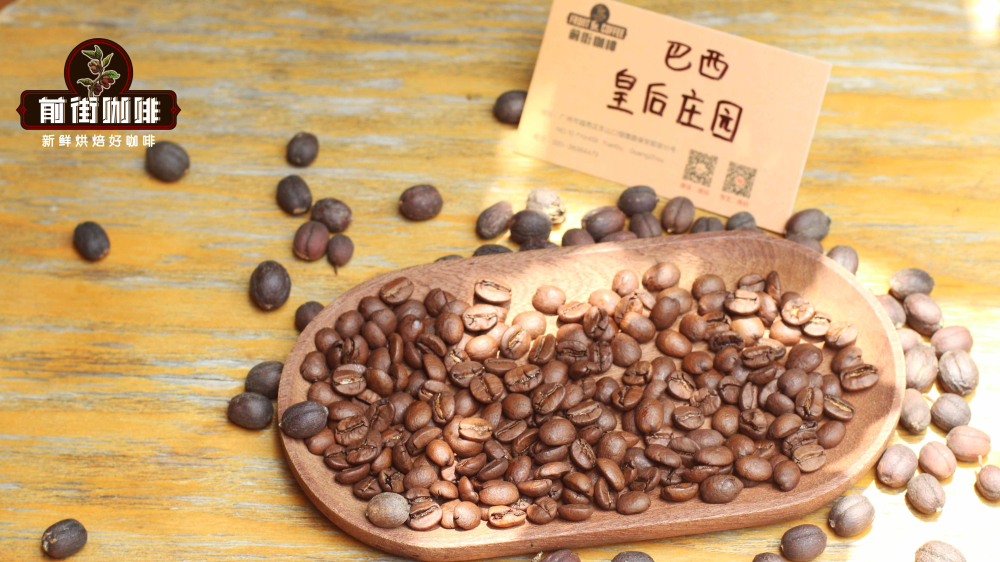
Some users, for convenience, simply pour out the upper part of the brew after steeping, which can carry a lot of oil and suspended particles, resulting in a rough, dusty mouthfeel, and visible sediment at the bottom. For example, a certain shop uses a cold brew maker with a built-in 300-mesh filter, which is considered relatively fine. Taking a light to medium roasted coffee bean with fruity notes—like the “Little Tomato” bean—as an example, the grind setting is adjusted so that 80% of the grounds pass through a Chinese No. 20 sieve, corresponding to 9.5 on an EK43s grinder or 22 on a C40 grinder. Even so, after 10 hours of extraction, there are still quite a few very fine particles left in the coffee collected from the filter. Without further filtration, not only will the oily layer on the surface be obvious, but the mouthfeel will be rough, and visible coffee grounds may also be seen at the bottom.
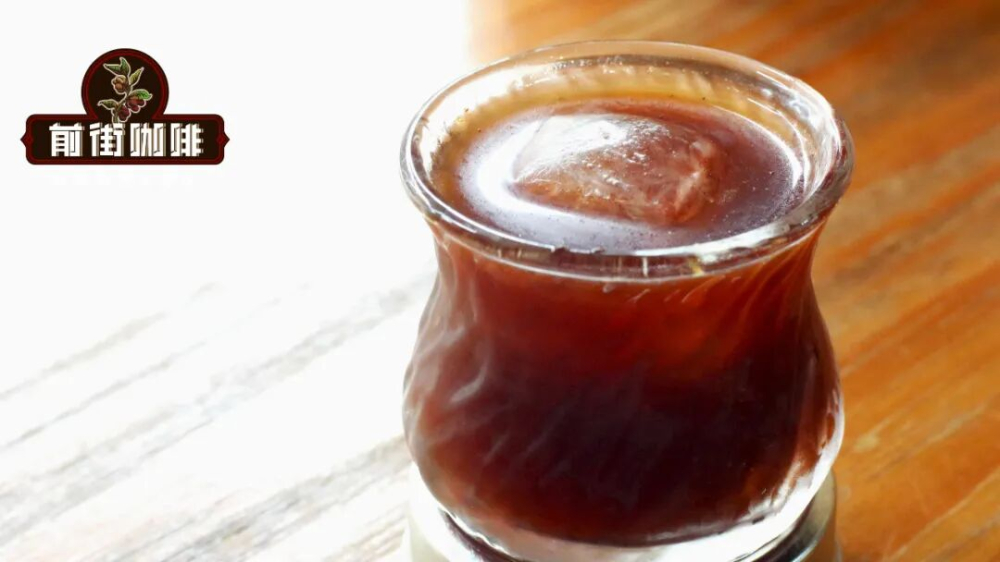
To improve the overall performance of cold brew, it is recommended to use paper filters for a second filtration to effectively remove condensed oils and very fine particles. After filtering, placing the coffee back in the refrigerator for 3–4 hours helps further settle and stabilize the flavor compounds, enhancing juiciness and clarifying acidity. In addition, regular cleaning of the equipment is equally important. Many users simply rinse the cold brew maker with water, but over time, the condensed oils on the filter can develop rancid odors. If you use it frequently, it’s advisable to periodically disassemble the equipment and thoroughly scrub it with a cleaning agent. This not only removes oil residue but also extends the lifespan of the filter.
The above content is compiled by CoffeeHunters, a coffee news website.


