







Introduction:Anaerobically processed coffee beans often boast intense fruity aromas and unique fermentation flavors, but when brewed using pour over methods, improper parameters can easily lead to thin body or muted flavors. This article draws from practical experience to deeply analyze the structural characteristics of anaerobic coffee beans and provides specific methods for adjusting grind size, controlling water flow, and optimizing the coffee-to-water ratio. Paired with a three-step pour over process, it teaches you how to consistently extract layered, fruit-forward anaerobic coffees with rich flavor complexity.
Anaerobic coffee beans are renowned for their bold fruitiness and fermentation notes, yet many people encounter issues such as thin body and indistinct flavors when brewing them using pour over. This is often due to not adjusting brewing strategies to suit the characteristics of anaerobic beans. This article will guide you through practical techniques for brewing anaerobic coffee by focusing on three key factors—grind size, water flow, and coffee-to-water ratio—and includes real-world examples to illustrate how precise parameter adjustments can yield a coffee experience that is both flavor-rich and full-bodied.
Adjusting Grind Size for Anaerobic Coffee
Many people experience under-extraction when brewing anaerobic coffee, often because the grind is too coarse, resulting in thin body and lack of depth in flavor. Due to the fermentation and sugar infusion processes involved in anaerobic treatment, the internal structure of these beans is generally looser compared to regular beans, significantly reducing their water retention capacity. If you use the same grind size as you would for medium-light roasted beans, water will pass through the coffee bed too quickly, drastically shortening extraction time and leading to incomplete extraction of flavor compounds.

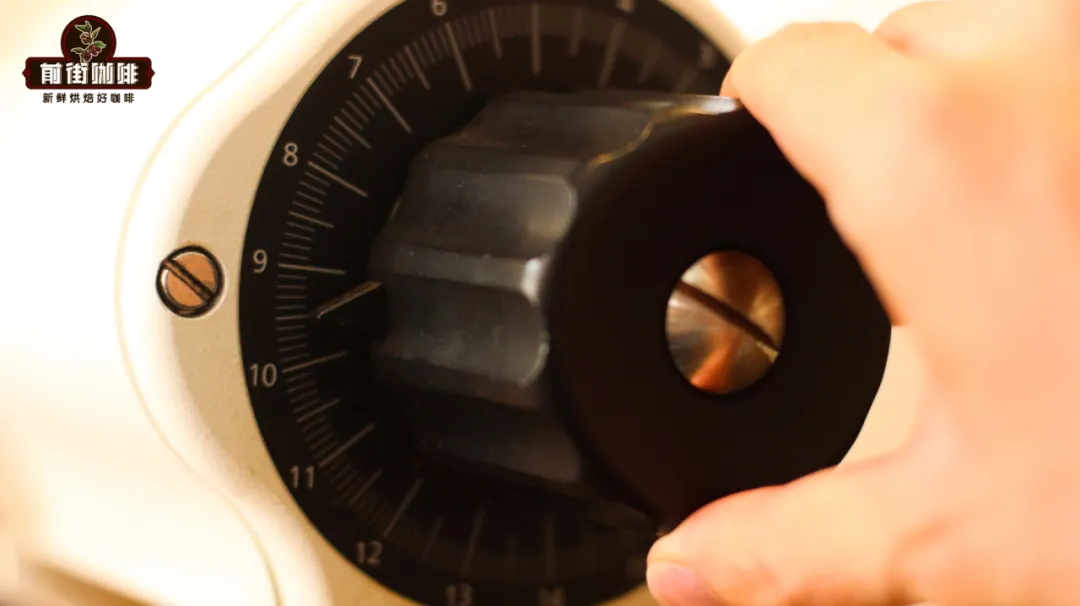
In practice, it has been observed that water often flows through anaerobic coffee too quickly during brewing, resulting in insufficient contact time between water and coffee and poor extraction efficiency. The solution is to grind finer—about one notch finer than your usual medium-light roast, for example. If you typically use the 10th setting on an Ek43 grinder for regular Huākuí (Red Bourbon), adjust to the 9.5 setting for anaerobic Xiāzhuā (Sidra). A finer grind increases the contact area between coffee and water, extends extraction time, helps fully release flavor compounds, and also slows down the drawdown rate, leading to a more complete extraction overall.
Techniques for Controlling Water Flow During Pouring
In addition to grind size, the size of the water stream during pouring is another key factor affecting extraction. A stream that is too large not only accelerates the drawdown rate but can also cause the water to bypass the coffee bed, creating channeling that leaves some coffee particles under-extracted and impacts overall extraction uniformity. Furthermore, the coffee bed for anaerobic beans is usually looser and less stable, making it more prone to collapsing or uneven flow under high water pressure.
It is recommended to use a smaller, more stable water stream when brewing anaerobic coffee. This helps prolong the contact time between water and coffee, giving each coffee particle more opportunity to fully hydrate and release its flavors. By controlling the water flow, you can avoid over-extraction and reduce the likelihood of a thin-tasting cup, resulting in a final brew that is fuller and better balanced.
Recommended Coffee-to-Water Ratio for Anaerobic Coffee
Anaerobic coffee often features intense aromas and fermentation characteristics. Using too high a coffee-to-water ratio can concentrate the overall flavor profile, sometimes resulting in a heavy, salty taste reminiscent of "fermented bean paste" or "fermented black beans," which can negatively affect the drinking experience. This is especially true for those trying anaerobic coffee for the first time, as overly intense flavors may be hard to appreciate.
To achieve a more approachable and flavor-clear cup, it is recommended to use a wider coffee-to-water ratio when brewing anaerobic coffee, such as 1:16 or even larger. Moderately increasing the water volume can effectively dilute the coffee concentration, allowing aromas and flavors to unfold more gracefully and making it easier to discern and enjoy the delicate fruity and fermented layers. Those who prefer a stronger flavor profile can fine-tune the ratio based on personal taste, but it’s advisable to start with 1:15 and gradually find the flavor balance that suits you best.
Practical Pour Over Steps: Featuring Xiāzhuā as an Example
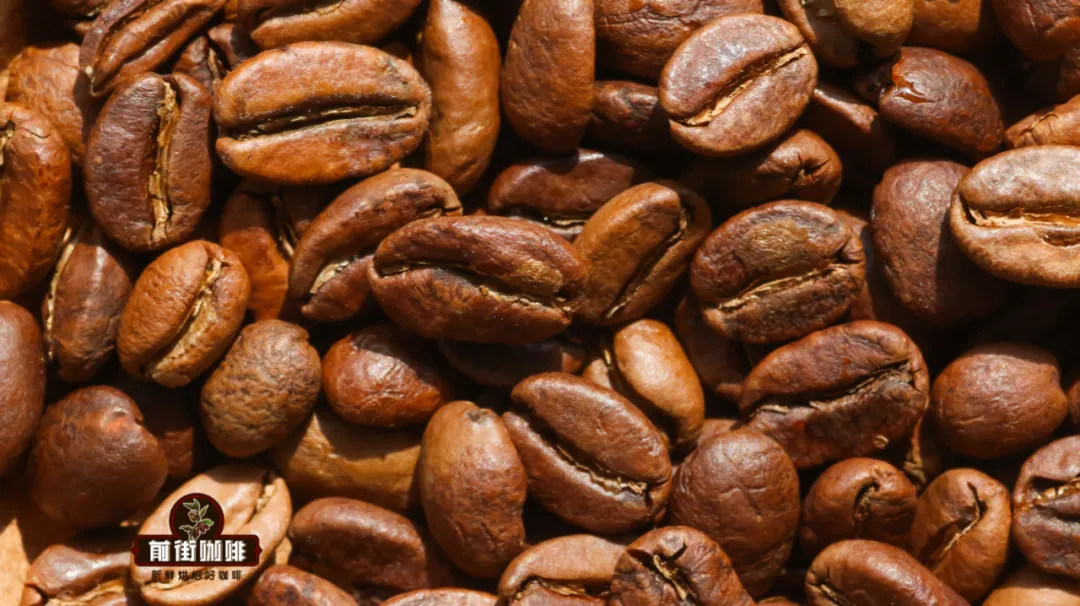
This tutorial uses Xiāzhuā from Fēnjièxiàn Estate, a high-value, heavily anaerobic-processed coffee bean with a rich flavor profile. It exhibits pronounced acidity notes of grape, passionfruit, and apricot, making it ideal for experiencing the unique charm of anaerobic coffee. Recommended dosage is 15g, using a V60 filter, with a water temperature set to 92°C, a coffee-to-water ratio of 1:15, and a grind size of 9.5 on the Ek43 grinder (approximately 75% passing through a 20-mesh sieve, equivalent to fine sugar grind).
Step One: Blooming
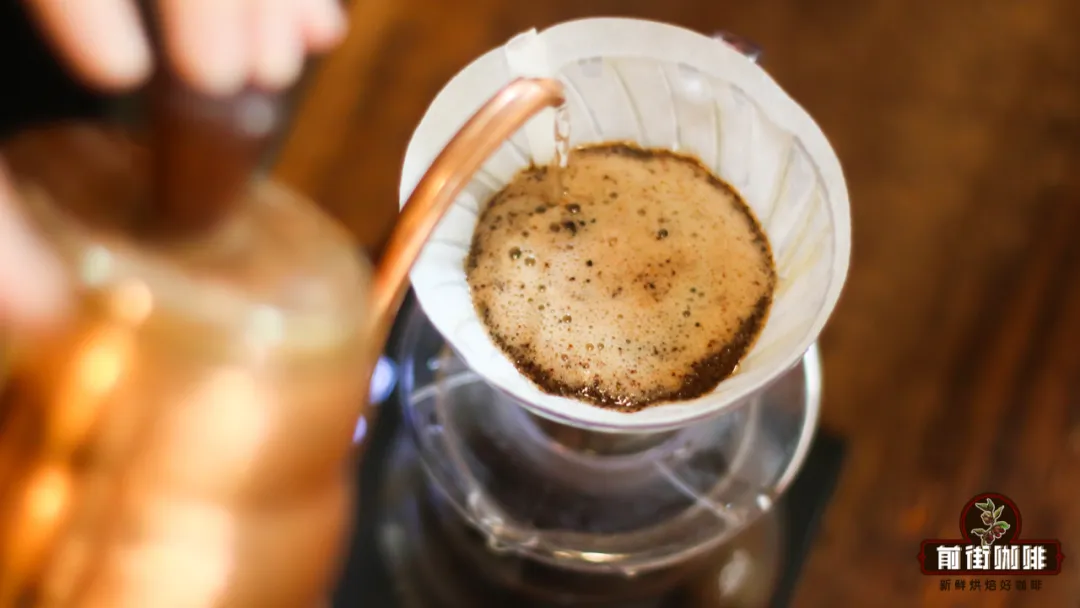
Pour approximately 30ml of water (twice the coffee dose) and let it bloom for 30 seconds to awaken the coffee grounds and initiate the initial release of flavors.
Step Two: First Pour
After blooming, start pouring slowly from the center of the coffee bed outward in small circles, evenly saturating all the grounds. Then continue pouring with a small stream in wider circles, adding about 120ml of hot water. Pay attention to the drawdown speed during this stage to avoid going too fast, which could lead to under-extraction.
Step Three: Second Pour
Observe the drawdown; if the water is flowing too quickly, consider splitting the final 75ml of water into two pours or further reducing the stream size. Once the second pour is complete and the coffee bed has slightly settled, use an even smaller stream to pour the last 75ml in tighter circles, maintaining control over the extraction pace.
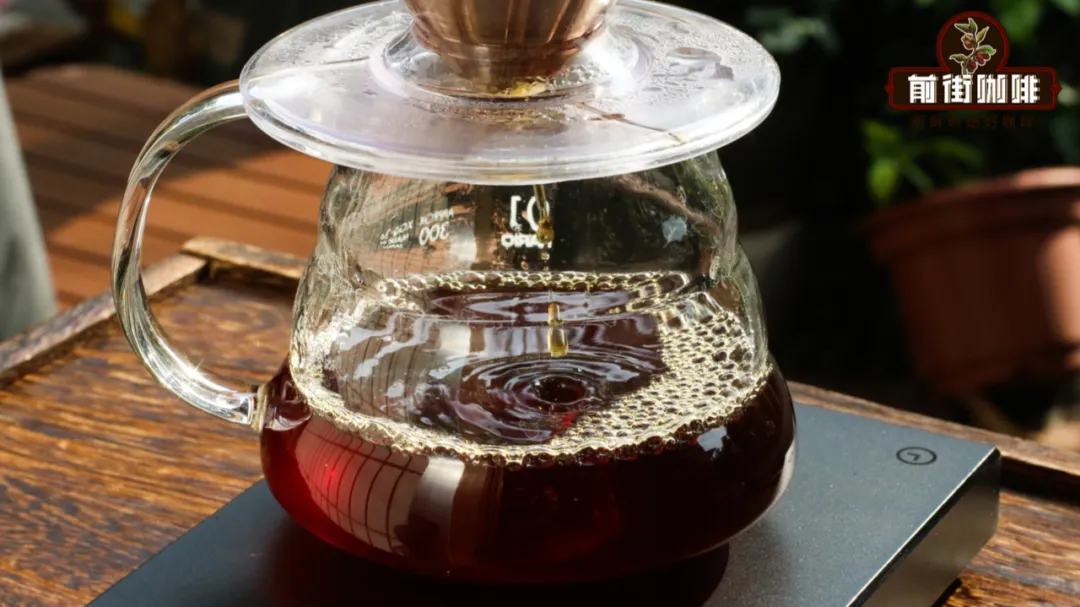
The total brew time should be kept between 1 minute 50 seconds and 2 minutes, adjusting slightly based on actual drawdown speed. After brewing, remove the V60 and allow the coffee to fully drain before enjoying.
The resulting Xiāzhuā brew delivers an immediate impression of grape, passionfruit, and apricot acidity, complemented by subtle floral notes and delicate spice flavors. The mouthfeel is smooth and layered. As the cup cools slightly, the berry and grape acidity becomes brighter, while spice and chocolate notes gradually emerge, creating a dynamic and multi-dimensional profile. It’s like sipping a rich, flavorful grape juice—truly unforgettable.

The above content is compiled by CoffeeHunters, a coffee news website.


