







Introduction:Pour-over coffee often suffers from bitterness and heavy off-flavors, mostly due to "over-extraction"—the extraction of excessive undesirable compounds. This article will guide you through the causes of over-extraction, focusing on three key factors: grind size, brew time, and water temperature. Learn how to adjust these parameters step-by-step to avoid over-extraction pitfalls and brew clean, balanced, layered coffee with clarity.
Does your pour-over always taste bitter and astringent, with noticeable off-flavors? It’s likely you’re over-extracting during brewing. Over-extraction means too many negative compounds—those that bring bitterness and astringency—are pulled out of the coffee. In fact, only about 30% of the compounds in coffee beans are soluble in water, and not all of those are good-tasting. Once you extract too much, unpleasant flavors dominate, affecting the overall taste. To fix this, it’s crucial to control grind size, brew time, and water temperature—the three core variables—and adjust them to optimal levels to brew a clean, well-balanced cup with harmonious acidity and sweetness.
Many beginners trying pour-over often struggle with over-extraction. Over-extraction refers to brewing beyond the ideal range, releasing too many negative elements such as bitterness, off-flavors, and astringency. While roughly 30% of coffee bean compounds are water-soluble, not all of these contribute to a pleasant flavor. Some can negatively impact mouthfeel. When these are over-extracted, the coffee’s flavor balance is thrown off, making it unpalatable. Thus, controlling extraction and avoiding over-extraction is one of the keys to brewing great pour-over coffee.
To avoid brewing coffee that is bitter, astringent, heavy, or full of off-flavors, first ensure your parameters are set reasonably and your extraction level is properly controlled. (By the way, under-extraction can also cause astringency and off-flavors, though usually to a lesser degree.) Among the many factors affecting extraction,grind size, brew time, and water temperatureare the three most critical variables. Next, we’ll explore how to identify and adjust these parameters when you notice your coffee is tasting overly bitter or showing signs of over-extraction, helping you achieve more consistent and outstanding pour-over results.
Before adjusting any parameters, don’t forget to first confirm whether the bitterness comes from the coffee beans themselves. If you’re using beans with a darker roast—such as dark roast coffee—they naturally contain more roasted, carbonized compounds, which can result in a strong, bitter cup. This may not be a brewing issue. If you prefer coffee that is bright, sweet, refreshing, and fruity, opt formedium to light roasted single-origin beans, such as Strawberry Candy, Sidamo, Huila or Guji, which are roasted for shorter periods and retain more fruity acidity and floral notes. These beans are lighter on the palate, more enjoyable, and less bitter.
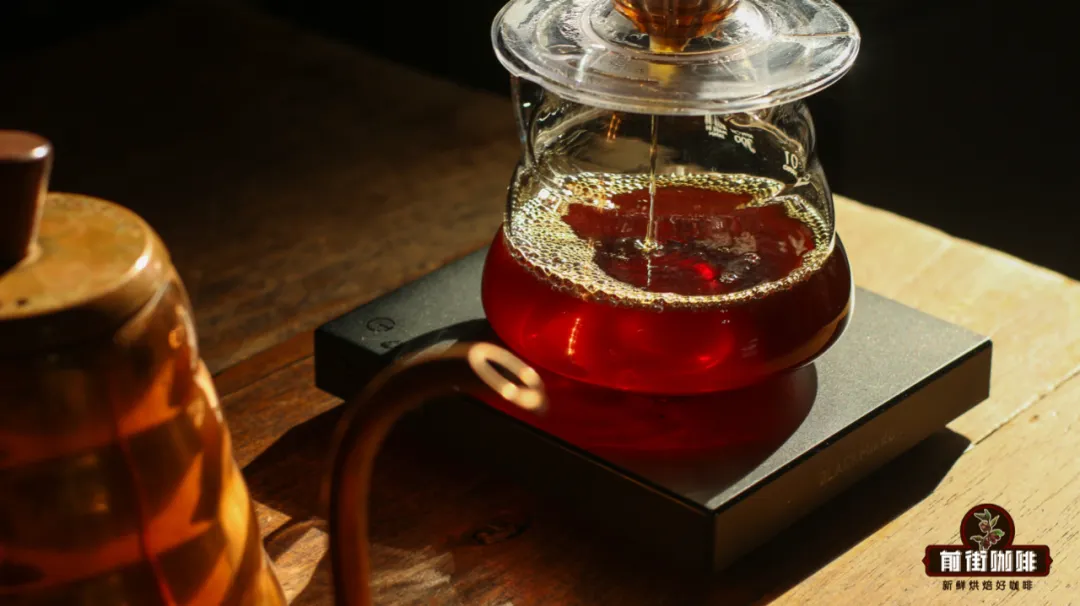
First, we need to examinethe grind size of the coffee grounds. This is the most common culprit behind over-extraction issues for many beginners. Unlike water temperature or brew ratio, grind size doesn’t come with an exact numerical indicator and often relies on visual estimation or experience. Improper judgment can easily lead to grinding too fine, causing over-extraction.
For example, if you’re brewing a light roast bean, the target grind size should be similar to that of fine sugar. Using a #20 sieve,the sieve passing rate should reach 75%. But in practice, you might end up with a passing rate of 85%. To the naked eye, the difference is hard to spot—you might think it’s just right and go ahead with brewing. In reality, the finer the particles, the greater their total surface area in contact with water, and the easier it is for water to extract both desirable and undesirable compounds, especially the bitter and astringent ones, significantly increasing the risk of over-extraction.
So, if you follow a certain set of parameters but end up with a cup that’s excessively bitter and full of off-flavors, consider adjusting by grinding coarser. Larger coffee particles slow down the extraction rate, thereby reducing the chances of over-extraction. Aside from simply grinding too fine, another common issue isexcessive fines, which often relates to grinder performance. A lower-quality grinder not only produces inconsistent particle sizes but also generates too many fine particles. While fines can add complexity, too many will accelerate the release of bitter compounds, clog the filter paper, prolong brew time, and affect the overall evenness of extraction.
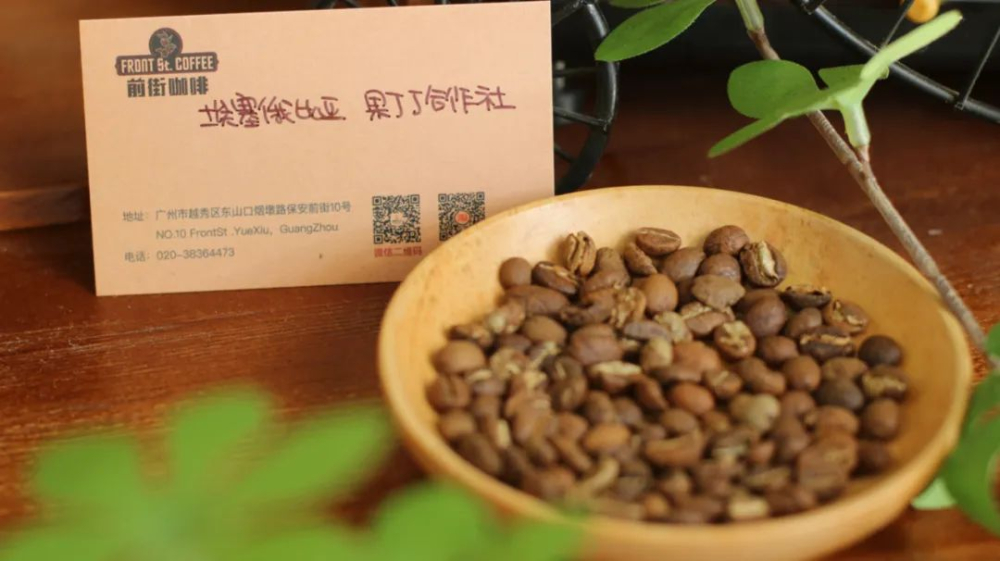
To more accurately assess grind size, it’s recommended to get a#20 sieveand test your coffee’s sieve passing rate. For example, the standard benchmark is “75% passing rate through a #20 sieve,” meaning 75% of the coffee grounds pass through the sieve. However, note that the passing rate is just a reference—it doesn’t reflect the uniformity of all particles or the proportion of fines—so you’ll still need to adjust based on actual brew results.
Next isbrew time. Simply put, brew time refers to the duration that water is in contact with the coffee grounds, extracting flavor compounds. The longer the contact, the more compounds dissolve, and correspondingly, the higher the risk of over-extraction. But there’s no absolute rule for “how long is too long”—it varies depending on the parameter combination. The key is whether the time works reasonably with other variables.
For instance, if you’re using 15 grams of light roast beans, 92°C water, a 1:15 brew ratio, a grind setting of 75% passing through a #20 sieve, and a three-pour brewing method, the ideal brew time is typically 2 to 2.5 minutes. Going beyond 3 or even 4 minutes often leads to a cup with bitterness, off-flavors, and astringency. If you find your brew time is too long, try speeding up your pour rate, switching to a faster-flowing dripper, or reducing channeling issues to effectively shorten brew time.
Finally, there’swater temperature. Water temperature directly affects how quickly and thoroughly compounds dissolve, making it a key factor in extraction efficiency. Generally, the recommended water temperature for pour-over is between 86–93°C. However, this varies with roast level. For example, for dark roasts, use 86–88°C to avoid over-extraction; for medium to light roasts, 90–93°C helps fully extract fruit acids and aroma. If your coffee tastes too bitter, try lowering the temperature slightly to reduce extraction intensity and limit the release of undesirable flavors.
The above content is compiled by CoffeeHunters, a coffee news website.


