







Introduction:Mandheling coffee is renowned for its intense herbal, woody, and earthy aromas, yet this distinctive flavor profile has seemed to fade in prominence in recent years. This article will delve into the origins of the herbal notes in Indonesian Mandheling, analyzing factors from variety selection and regional differences to the wet-hulling processing method, to fully unpack the sources of its flavor. It will also compare the selection criteria and quality differences between Golden Mandheling and regular Mandheling, and explain how to identify authentic PWN Golden Mandheling, helping you choose higher-quality Indonesian coffee beans.
Mandheling coffee has always been known for its bold and distinctive flavor, especially its herbal, earthy, and woody notes, which captivate many but can also be off-putting to newcomers. However, in recent years, an increasing number of coffee enthusiasts have noticed that the herbal character of Mandheling is not as pronounced as it once was. What exactly is causing this change? This article will break down the key elements behind Mandheling's flavor—from varieties and regional characteristics to processing methods—and compare various aspects of Golden Mandheling and regular Mandheling to give you a deeper understanding of the allure of this classic Indonesian bean.
The herbal notes of Mandheling are often described as a complex blend of medicinal herbs, soil, and woody undertones. These aromas tend to emerge subtly in the aftertaste, evoking a raw and wild sensation. Because of this strong personality, Mandheling has long been a polarizing coffee variety. Fans regard it as an irreplaceable classic, while those unaccustomed to it may find it hard to appreciate. However, observations in recent years indicate that the herbal character in Mandheling is no longer as prominent as before, and this is closely linked to changes in variety evolution, growing environment, and processing techniques.
To understand the source of Mandheling’s herbal flavors, it’s important to first recognize that it is not a single variety, but rather a general term for Arabica coffee beans grown on the island of Sumatra. Originally, due to a misunderstanding, these coffees from Sumatra were mistakenly labeled as ‘Mandheling,’ and the name has since become a common market designation. Though the origin of the name is steeped in legend, the reality is that it encompasses a variety of cultivars and processing methods, resulting in a diverse range of flavor profiles.
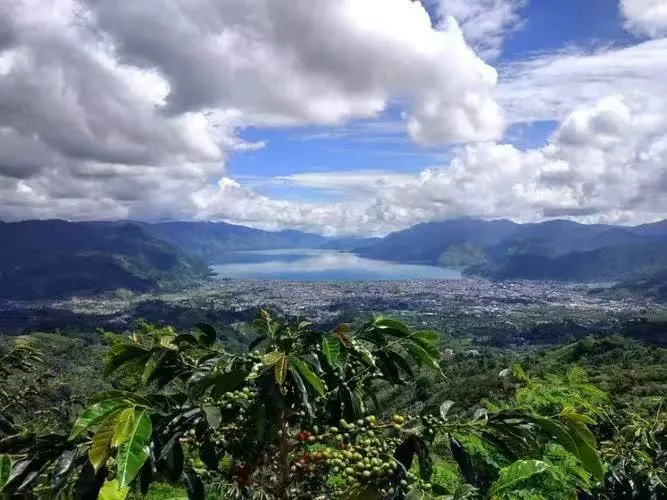
Sumatra is a major coffee-growing region in Indonesia, with a cultivation history that dates back to the 18th century when the Dutch introduced coffee farming. The main producing areas are concentrated around Lake Toba and Lake Towuti, including well-known regions such as Lintong and Gayo. These areas generally sit at elevations between 1,100 and 1,600 meters, with climates and geographical conditions highly suitable for coffee growth. Indonesian commercial-grade beans often come from the Lintong region, while premium Golden Mandheling originates from the Gayo highlands.
Early coffee cultivation in Sumatra primarily featured traditional Arabica varieties such as Typica and Bourbon. However, with the devastation caused by coffee leaf rust, many purebred coffee trees gradually disappeared. To maintain production levels, Indonesia began introducing more disease-resistant varieties, leading to the diverse varietal landscape seen today. Common varieties on the island now include Ateng, TimTim, Typica, Catimor, and Robusta, with Ateng and TimTim being the most frequently found in Mandheling coffees.
Both Ateng and TimTim are hybrid varieties of Arabica and Robusta—the former is akin to Indonesia’s version of Catimor, while the latter is similar to Timor. As both carry Robusta lineage, they naturally exhibit stronger herbal and woody aromas. Though not as intense as pure Robusta, these traits lay the foundation for the unique flavor profile of Mandheling.
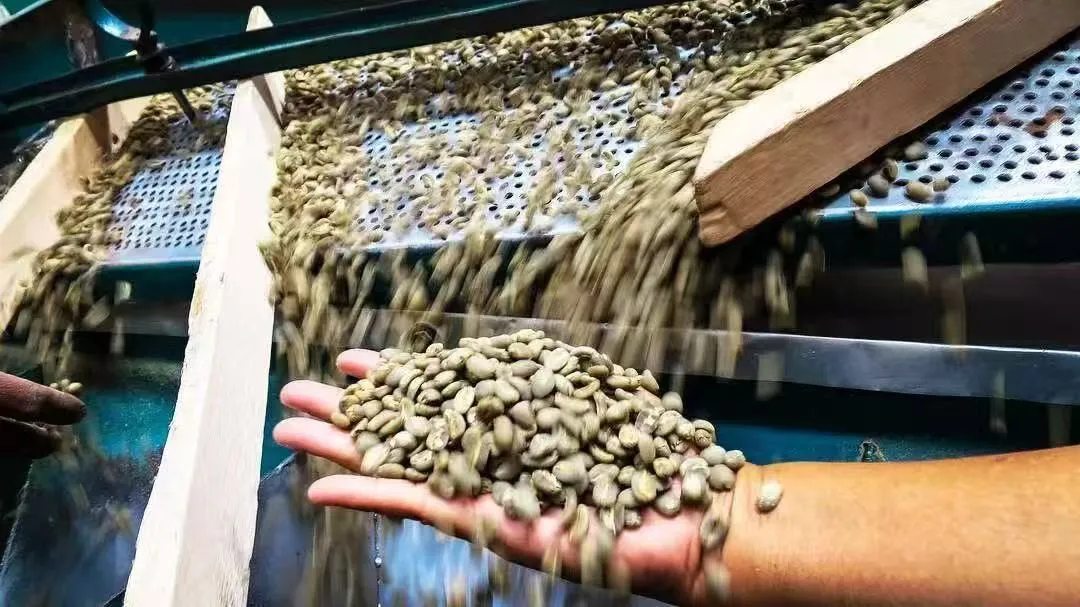
What truly accentuates the herbal character of Mandheling is its unique wet-hulling (Giling Basah) processing method. This technique was developed primarily to accommodate Indonesia’s humid and unpredictable climate, effectively shortening the drying time and reducing the risk of mold and spoilage. The basic steps include: first removing the coffee cherry’s skin and pulp, washing it, then placing it outdoors for initial sun drying until the moisture content drops to around 30–40%. Next, a hulling machine removes the parchment layer while it is still in a semi-hard state, followed by continued drying until the moisture level reaches approximately 12–13% to complete the process.
The defining feature of wet-hulling is the early removal of the parchment layer, significantly shortening the overall drying period. However, this method can also introduce certain side effects in practice. For instance, when the beans are forcibly hulled in their semi-hard state, mechanical pressure can cause them to crack. These cracks increase the risk of exposure to external contaminants. Additionally, drying often takes place on concrete or untreated earthen surfaces, and without the protective parchment layer, the beans are more prone to absorbing dust and impurities—further intensifying the herbal and earthy flavor characteristics.
It is worth noting that in recent years, the herbal notes in Mandheling have shown a clear trend of fading, largely due to improvements in processing techniques. In modern processing, more farms are focusing on maintaining clean drying environments and protecting the beans—for example, avoiding direct contact with the ground, frequently turning the beans to ensure even drying, and enhancing the screening of defective beans. These measures help reduce unwanted off-flavors and lead to a more balanced coffee flavor profile.
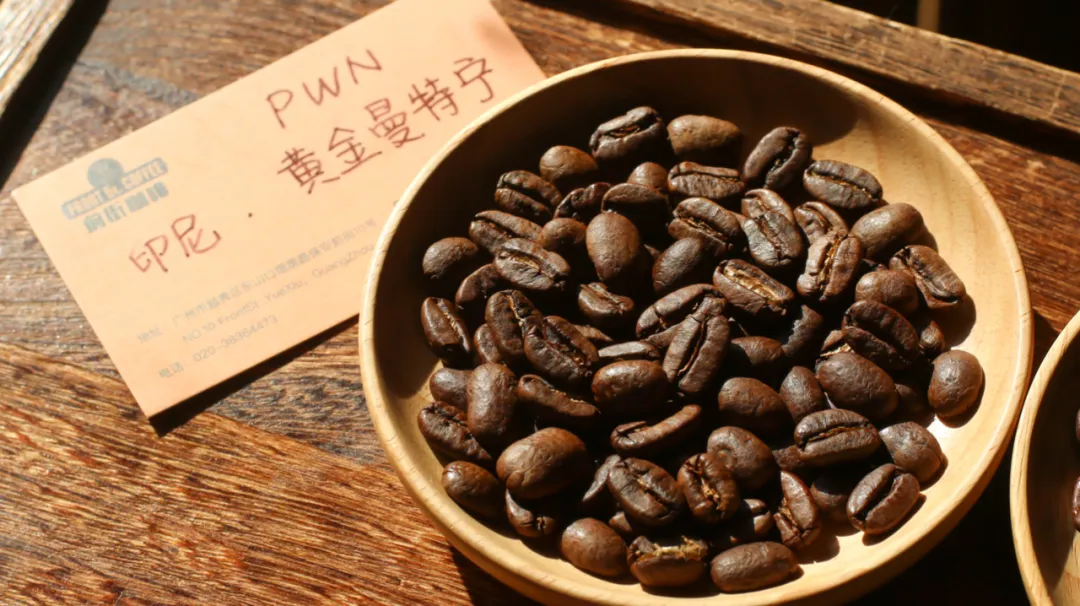
If you’re looking to experience a cleaner-tasting Mandheling with reduced herbal intensity, it is recommended to choose high-quality Golden Mandheling. Take the market-recognized PWN Golden Mandheling, for example: although its variety remains within the Ateng family, it is a backcross-improved strain derived from Catimor and Typica, with a lower proportion of Robusta genetics. As a result, its flavor is mellower, with the herbal notes nearly disappearing, replaced instead by distinct chocolate, caramel, and spice tones, offering a cleaner and brighter overall cup profile.
PWN Golden Mandheling adheres to stricter selection standards during production, including three rounds of manual hand-picking, retaining only beans that are plump, intact, and free from obvious defects. This high-standard sorting process results in a final product that far surpasses regular Mandheling in terms of flavor purity and taste consistency.
The market offers various types of “Golden Mandheling” products, such as 20/64”, 21/64”, and DingShang editions, but the only ones that are genuinely authorized and trademarked by the PWN company are the authentic ones. When purchasing, look for the official PWN jute sack and accompanying certificate—these are key indicators of authenticity and help avoid counterfeit products with inconsistent quality.
The above content is compiled by CoffeeHunters, a coffee news website.


