








Introduction:The key to crafting a successful specialty coffee blend lies in the flavor harmony between the coffee beans and the ingredients. This guide provides an in-depth analysis of the ideal roast levels and bean characteristics suited for three major types of specialty coffee blends—refreshing, fruity & vibrant, and deep & bold—and offers practical suggestions for adjusting ingredient ratios. It helps you master the art of selecting the right coffee beans so that every custom blend achieves a well-balanced and layered taste profile.
The charm of specialty coffee blends lies in the artful fusion of different ingredients’ flavors, not the dominance of a single taste. However, many people attempting to recreate these drinks at home often encounter unbalanced overall flavors, usually due to mismatched pairings between coffee beans and ingredients. This article categorizes specialty blends into three styles—refreshing, fruity & vibrant, and low & bold—and explains the most suitable roast levels, bean profiles, and practical ratio tips for each, helping you find the perfect balance between coffee and ingredients.

While there are countless specialty blend recipes available on the market, many people find that their homemade versions turn out quite differently from the tutorials, with common issues being clashing flavors and unbalanced tastes. Upon closer analysis, the root cause is often not the recipe itself but the mismatch between the chosen coffee beans and other ingredients, resulting in an underwhelming final drink.
In fact, most specialty coffee blends aim for an overall balanced flavor where no single ingredient overpowers the rest. Therefore, choosing coffee beans that complement and enhance the flavors of the other ingredients is the key to a successful blend. Next, we’ll analyze the types of coffee beans and roast levels best suited for different styles of specialty blends.

Let’s start with refreshing-style blends, such as lychee sparkling americano, jasmine tea cold brew, or apple juice coffee. These drinks typically feature pronounced aromas but mild flavors, leaning toward a clean and crisp taste profile. For this style, using dark roasted beans can be problematic—their intense roasted and bitter notes may overpower the delicate scents of other ingredients, leading to a chaotic overall flavor. Instead, opt for medium-light or light roasted beans processed via natural or washed methods. These beans retain more fruity acidity and floral notes, offering a predominantly sweet and tangy flavor that complements refreshing-style blends beautifully.
For example, medium-light roasted Ethiopian Huā Kuí beans offer bright citrus and berry-like acidity with a refreshing, layered taste. Another great option is the washed Yirgacheffe · Guodingding, which delivers clean and crisp notes reminiscent of jasmine, lemon, and oolong tea—an ideal match for refreshing-style specialty drinks.

Next are the bold fruity blends, such as Orange C, yuzu, wampee americano, as well as berry, lemon, or grape oolong Dirty drinks. These blends are characterized by strong-flavored ingredients that can often hold their own even when paired with slightly darker roasted beans. For these, it’s recommended to choose medium-light, medium, or medium-dark roasted beans, which provide moderate sweetness and balanced acidity and bitterness, ensuring good harmony with intense flavors.
Take the medium roasted Gesha Blend · Strawberry Candy, for instance—it features sweet strawberry candy, white floral, and berry notes with prominent sweetness and rich layers. Additionally, the anaerobic natural processed Colombian Sidamo beans showcase intense grape, passion fruit, and apricot flavors, with a subtle red wine finish—perfect for various fruit-forward blends and a popular choice among many cafés.

As for thick and deep-flavored blends, such as white toast Dirty, pistachio Dirty, or those emphasizing nutty, chocolatey, and woody notes, it’s advisable to use medium, medium-dark, or even dark roasted beans. These beans undergo sufficient caramelization and Maillard reactions, releasing rich notes of chocolate, nuts, and caramel that pair wonderfully with hearty ingredients, resulting in a more robust and layered flavor profile.
For example, the medium-dark roasted Brazilian Queen Estate beans deliver distinct nutty, creamy, toasted bread, and chocolate flavors with a smooth mouthfeel and gentle aroma. Meanwhile, the dark roasted Indonesian Golden Mandheling showcases intense chocolate, pine, spice, and caramel notes with a noticeable sweet aftertaste—ideal for those who prefer bolder, fuller-bodied deep-flavored blends.
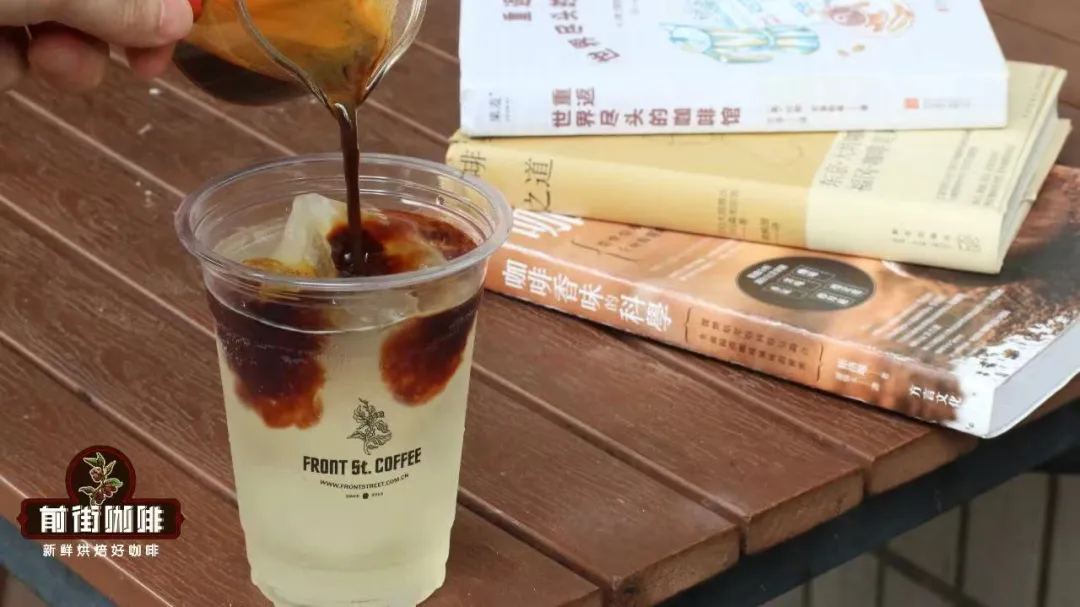
No matter which coffee beans you choose, the final ratio of coffee to ingredients should always be adjusted flexibly based on the specific blend type and desired coffee strength. It’s best to avoid rigidly following fixed recipes. For instance, if the coffee flavor is too dominant, consider reducing the amount of coffee or adding more ingredients. If the coffee taste is overly intense, you might also switch to a milder bean variety or even use cold brew instead of espresso to lower the overall concentration and intensity for a better-balanced flavor.
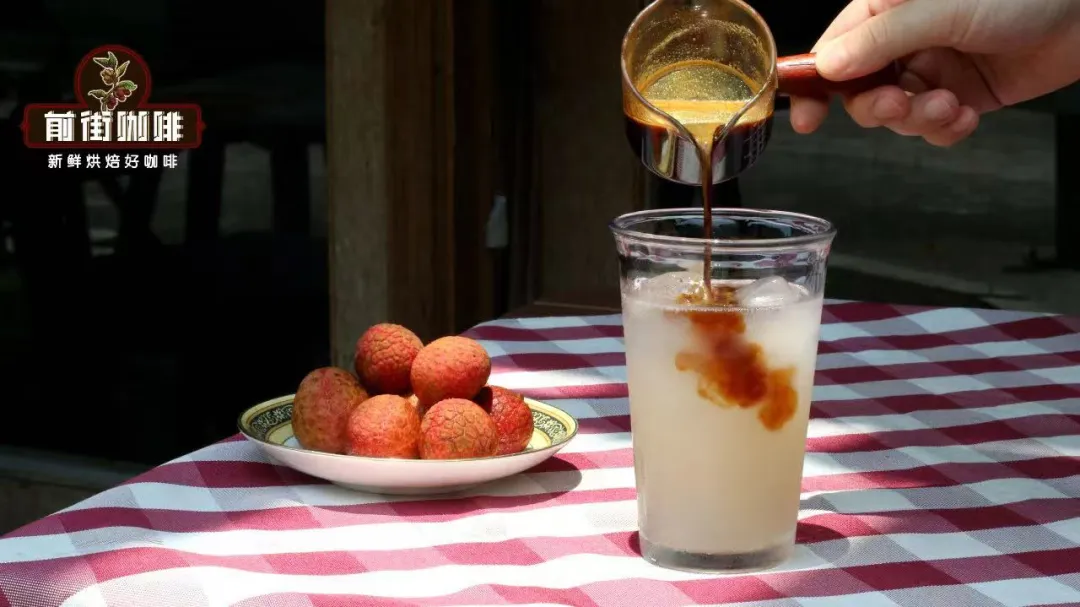
In summary, the secret to a successful specialty blend is mastering the roast level and flavor characteristics of the coffee beans, and adjusting the ratio and combination of ingredients accordingly. With the practical guidance provided in this article, you can make more informed choices in selecting the right beans to create your own uniquely balanced and flavorful specialty drinks, and enjoy the endless creativity that comes from blending coffee with imagination.
The above content is compiled by CoffeeHunters, a coffee news website.


