








Introduction:Caturra and Catuai are the two most common Arabica varieties in Central and South American coffee-growing regions. Due to their stable yields and strong adaptability, they are widely favored by coffee farmers. This article delves into the origins, agronomic characteristics, and cupping profiles of these two varieties, helping you understand their important roles in the global coffee industry and how to choose the right variety based on altitude and processing methods.
In the world of coffee cultivation, there are several varieties that are almost ubiquitous among both smallholder farmers and large estates—Caturra and Catuai are among the most representative. Whether in large production areas or small mountain farms, these two varieties are practically everywhere. For instance, in the offerings of many well-known roasters, their presence often exceeds one-third, highlighting their undeniable importance.
Caturra was first discovered between 1915 and 1918 in a coffee plantation in Minas Gerais, Brazil. It is a natural genetic mutation derived from the Bourbon variety. Because the plants are noticeably shorter, locals named it Caturra, meaning "small" in the Guarani language, with an alternative name being Nanico. This compact characteristic made it a highly promising candidate for high yields, especially in densely planted regions.

Compared to traditional Bourbon, Caturra plants are more compact with shorter branch spacing, allowing more plants to be grown per unit area and thereby further increasing yield per area. Additionally, its secondary branches grow densely, producing more coffee cherries, but this also makes the branches prone to breaking under excessive weight—an important consideration during cultivation.
Another notable advantage of Caturra is its good "sun tolerance," meaning it can thrive under direct sunlight without the need for shade, unlike many Arabica varieties that require shaded environments. Such sun-grown coffees are often referred to as "Sun Coffee." Thanks to this trait, Caturra has a wider suitable planting range, particularly in Colombia where it accounts for nearly half of the country’s coffee production, making it one of the main cultivated varieties.
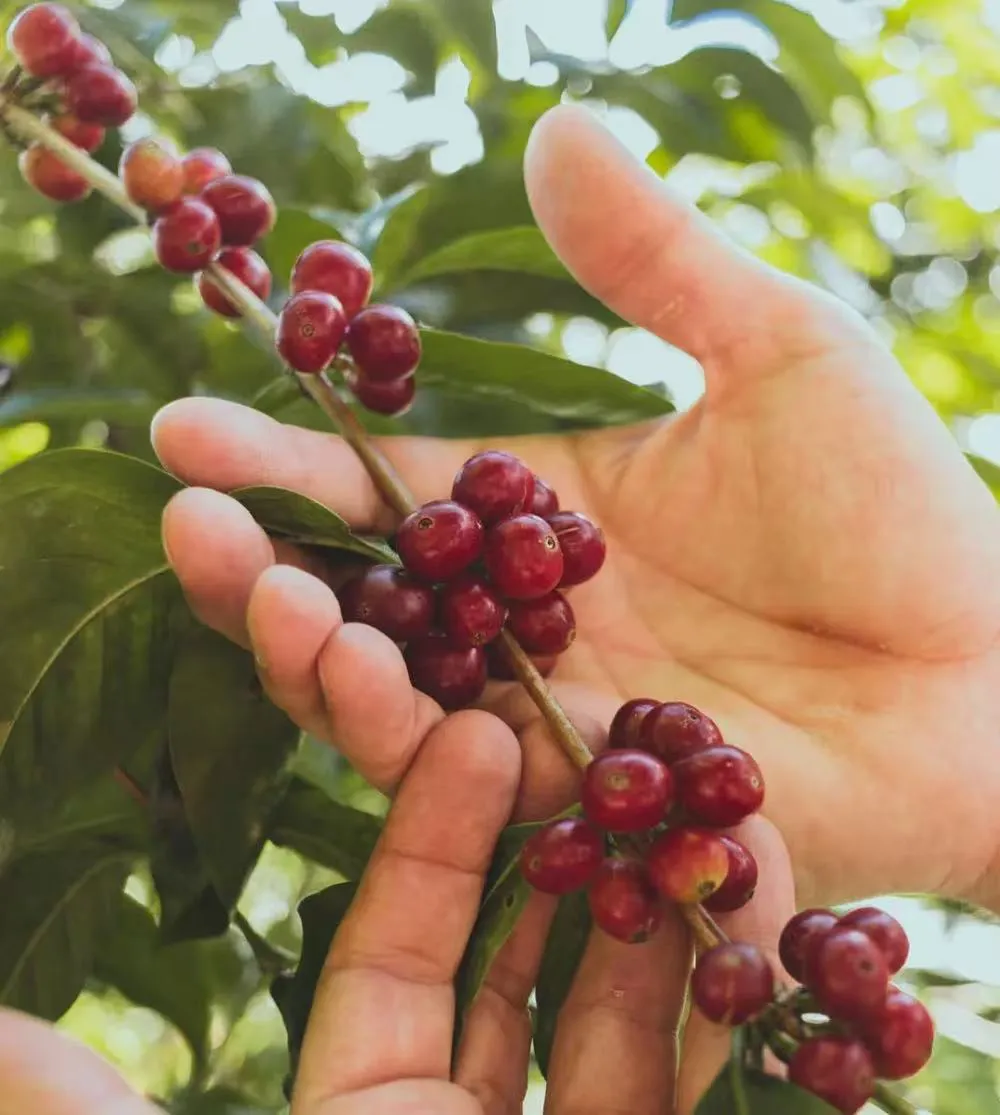
However, Caturra also has clear limitations—it has relatively low resistance to diseases and is susceptible to common coffee ailments such as leaf rust. Moreover, like Bourbon, it exhibits various fruit color variations, commonly including red, yellow, and even purple versions, with different colored cherries occasionally imparting slight flavor differences.
Catuai is the result of a cross between Caturra and another variety called Mundo Novo. Mundo Novo itself is a natural hybrid of Bourbon and Typica, first discovered in 1943 in Trití-Milhos, São Paulo State, Brazil. Catuai was initially designated as H-2077 and later named Catuai, which means "very good" in Guarani—a name that reflects its excellent performance in cultivation.

Officially introduced in Brazil in 1972, Catuai was developed through careful breeding by local agricultural research institutions, aiming to create a comprehensive variety that combines high yield, disease resistance, and adaptability to strong sunlight. It not only inherited Caturra’s compact plant size, high yield, and sun tolerance, but also significantly improved disease resistance. As a result, it quickly became widely planted in Brazil and gradually expanded to other Latin American countries such as Guatemala, Costa Rica, and Panama.
In some renowned farms in Panama, Catuai is also often used to produce high-quality specialty coffee, with some even entering international auction markets. Additionally, Catuai comes in both red and yellow fruit types, and cherries of different colors may exhibit slight differences in flavor profile—an important detail worth noting during procurement.
So, how do Caturra and Catuai perform in terms of flavor? In fact, the flavor profiles of these two varieties are quite similar, both featuring bright acidity and medium to rich mouthfeel. However, their performance can vary significantly depending on altitude. Generally, when grown at lower altitudes, their flavors tend to be more bland, lacking complexity and sometimes even exhibiting herbal or grainy notes.
However, once planted at higher altitudes, these two varieties can showcase richer fruit acidity, aroma, and sweetness. In suitable high-altitude environments, they often present layers of citrus, berries, honey, caramel, and even subtle fermented aromas—this is why many high-quality specialty coffees still choose to cultivate Caturra or Catuai.
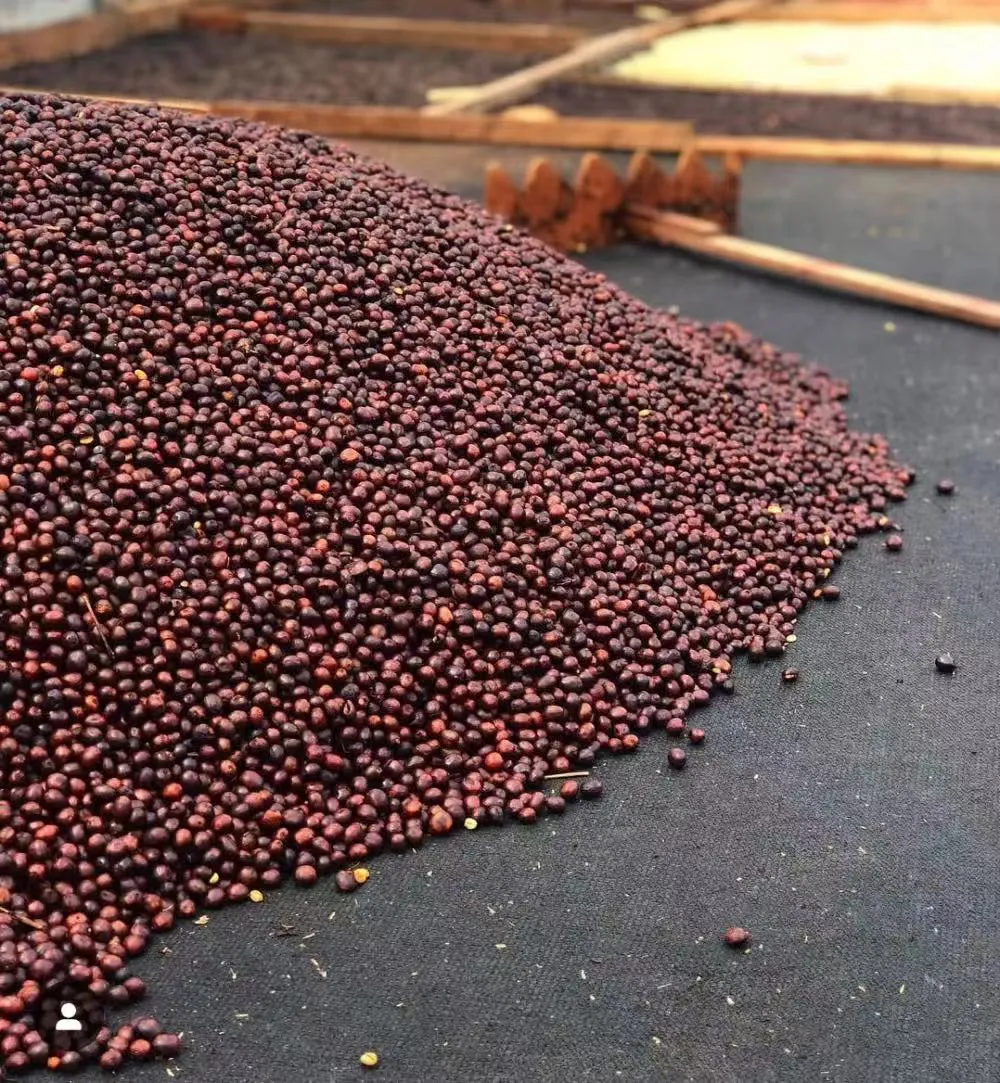
Taking actual cupping experiences as an example, those Caturra and Catuai beans that have successfully made it into curated selections almost all come from planting regions above 1,400 meters in altitude. For instance, the Emerald Estate in Boquete, Panama, is famous for its blend of Caturra and Catuai, producing a natural-processed coffee named "Diamond Mountain." Its flavor profile is soft and layered, with notes of citrus, honey, cocoa, and subtle fermentation, and a finish reminiscent of oolong tea. The overall balance is exceptional, making it a classic favorite among many coffee enthusiasts.
In summary, the reason Caturra and Catuai have secured a place in the global coffee cultivation landscape is not only due to their stable yields and wide adaptability, but also because, under the right environmental conditions, they can still deliver flavor potential that rivals other specialty varieties. For coffee farmers, they are choices that balance stability and efficiency; for consumers, as long as the beans come from high-altitude regions and are well processed, these two varieties can offer surprisingly delightful drinking experiences.
The above content is compiled by CoffeeHunters, a coffee news website.


