







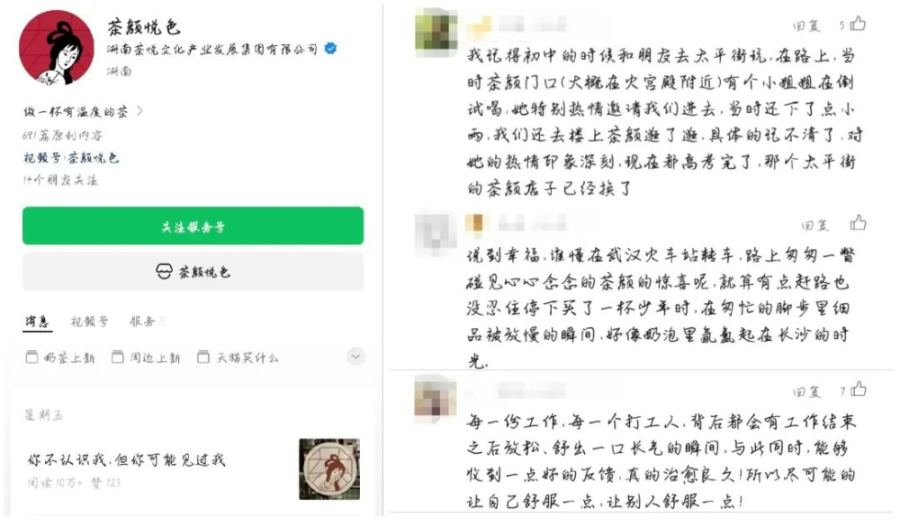
Introduction:A public WeChat article by Tea’s Stone introducing the daily routines of its staff sparked heated discussion after mentioning that employees often work until three in the morning. Both former employees and part-timers confirmed that working late after closing is common, and repetitive in-store announcements have become a source of frustration for both customers and staff. This article delves into the background of the controversy, analyzing the prevalent overtime culture and scripted service practices in the tea beverage industry to help readers better understand the underlying workplace realities and customer experiences.
When brands use official channels to showcase their employees’ daily work, the intention is usually to convey warmth and humanistic care. However, a recent WeChat article by Tea’s Stone unexpectedly stirred up controversy. Published last Friday under the title “You May Not Know Me, But You’ve Probably Seen Me,” the piece focused on the everyday moments of store employees, aiming to connect with readers through a heartfelt narrative.
Yet, descriptions such as “before we knew it, midnight had passed” and “we were only ready to head home at three in the morning” made many netizens uncomfortable. These seemingly “ordinary” details about working late were presented as part of the brand’s promotion, which instead triggered widespread discussion about workplace overtime culture.
After the article was published, many netizens claiming to be former Tea’s Stone employees or part-timers came forward with their own stories. Quite a few mentioned that working late into the night after closing has become the norm. One employee revealed that the latest she had gotten home was five in the morning, usually getting off around two, and staying until after three during big cleaning sessions—only to return to work at eight the next morning. Another part-timer said that cleaning often starts after 11 p.m. and doesn’t end until nearly two in the morning. Others noted that inventory sometimes isn’t finished until 3:30 a.m., and real rest only comes around 5 a.m.
In addition to excessive working hours, the in-store announcement service is another major point of contention. Many regular customers reported that every time they purchase a drink, they hear staff repeatedly reciting the brand’s standardized scripts, including product introductions and motivational slogans. The process feels like “chanting,” which not only makes customers feel awkward but also leaves employees admitting to having sore throats and feeling mentally and physically drained by the end of the day.
In response to this situation, many consumers and employees hope the brand will reconsider these practices, such as eliminating unpopular announcement scripts to reduce pressure on both staff and customers. However, some netizens also noticed that the brand’s article described the employees’ announcement duties using phrases like “this bit of verbal burden is nothing,” which was criticized as an attempt to “glorify high-pressure work.” Some even sarcastically remarked, “Knowing it’s a burden, yet still making employees suffer both physically and verbally.”
In fact, long working hours and demands for standardized service are not unique to the tea beverage industry. But when such content is openly emphasized in official promotions, it can easily lead to questions about the brand’s values. Many readers believe that using employees’ reluctant overtime routines as heartwarming promotional material not only fails to convey genuine brand care, but actually highlights the contradictions of workplace realities.
This image captures a typical scenario from the discussions and also invites reflection: When a brand tells stories about its employees, does it truly understand and respect the hardships behind those stories?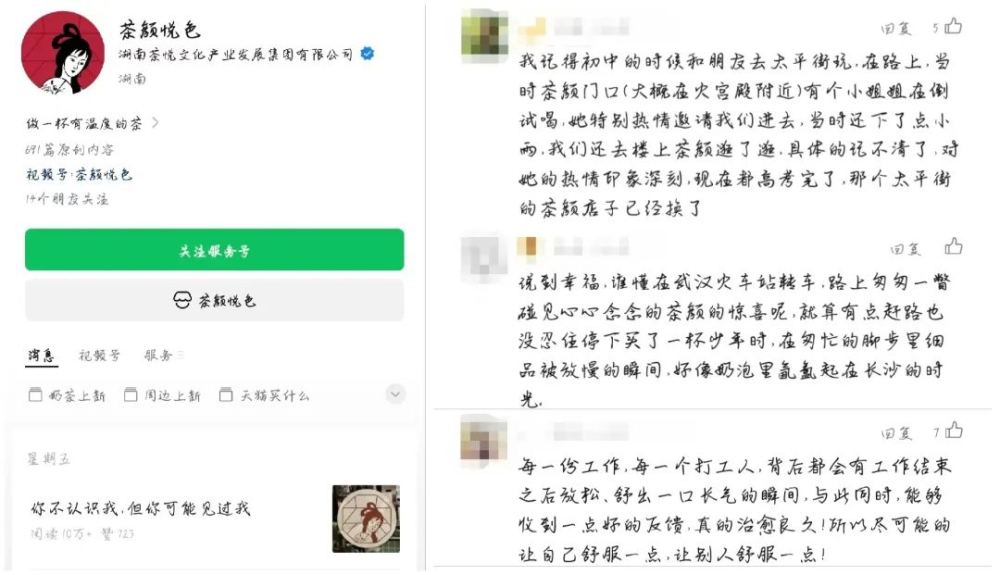
Overall, this controversy is not just about the internal management of one brand—it reflects the broader challenge faced by the entire tea beverage industry in balancing employee rights and customer experience amid rapid expansion. For consumers, understanding these behind-the-scenes realities can also help us appreciate the effort and pressure behind our cup of tea with greater empathy and thoughtfulness.
The above content is compiled by CoffeeHunters, a coffee news website.


