







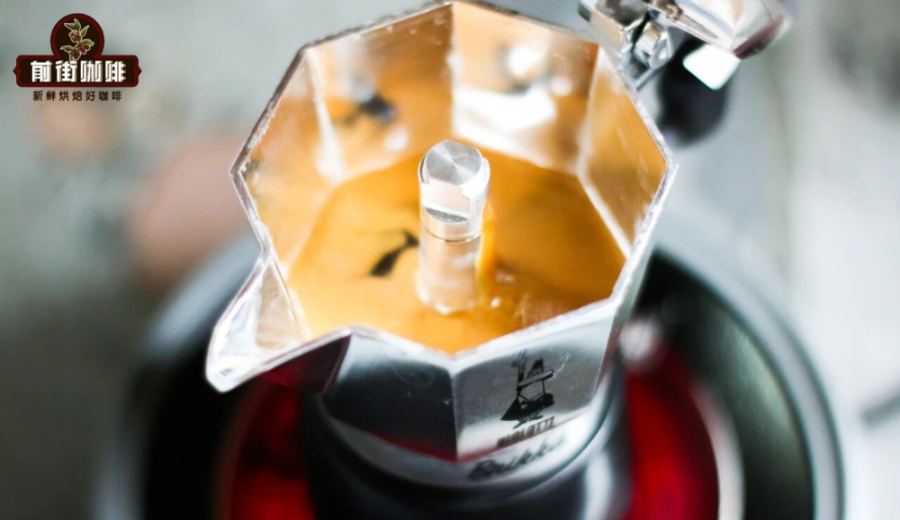
Introduction:Many coffee enthusiasts find that using light roast beans in a moka pot often leads to issues such as excessive acidity, lack of crema, or even splattering—making them think that light roast beans are not suitable for moka pots. In fact, as long as you master the correct grind size, coffee dosage, heat control, and ratio adjustments, light roast beans can also produce coffee with balanced acidity and sweetness, and clear flavors. They can even perform excellently when paired with milk. This article will detail the common problems and their solutions, helping you brew great moka pot coffee with light roast beans.
Many moka pot users prefer dark roast beans because they deliver rich caramel aromas, bold body, and thick crema. But when switching to light roast beans, they often encounter issues such as overly sharp acidity, unstable extraction or splattering, thin crema, and bland flavors when paired with milk. In reality, light roast beans are not unsuitable for moka pots—it’s just that targeted extraction parameter adjustments are needed. This article will deeply analyze several common issues when brewing moka pot coffee with light roast beans, including excessive sourness, lack of crema, and weak milk coffee flavors. It will provide specific improvement suggestions and practical tips from aspects such as grind fineness, coffee dosage, heat intensity, and coffee-to-milk ratios, so you too can brew well-balanced, flavorful light roast moka pot coffee.
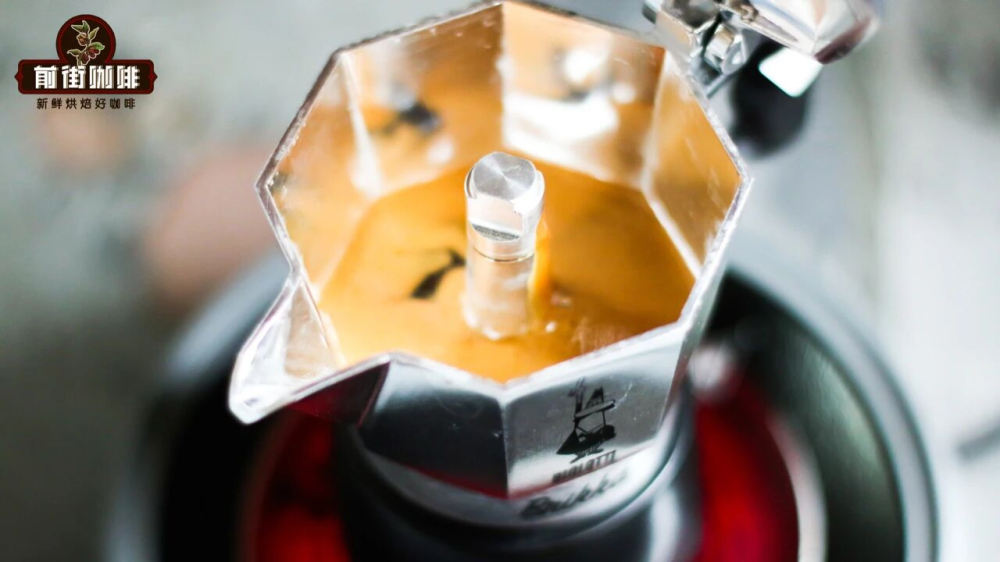
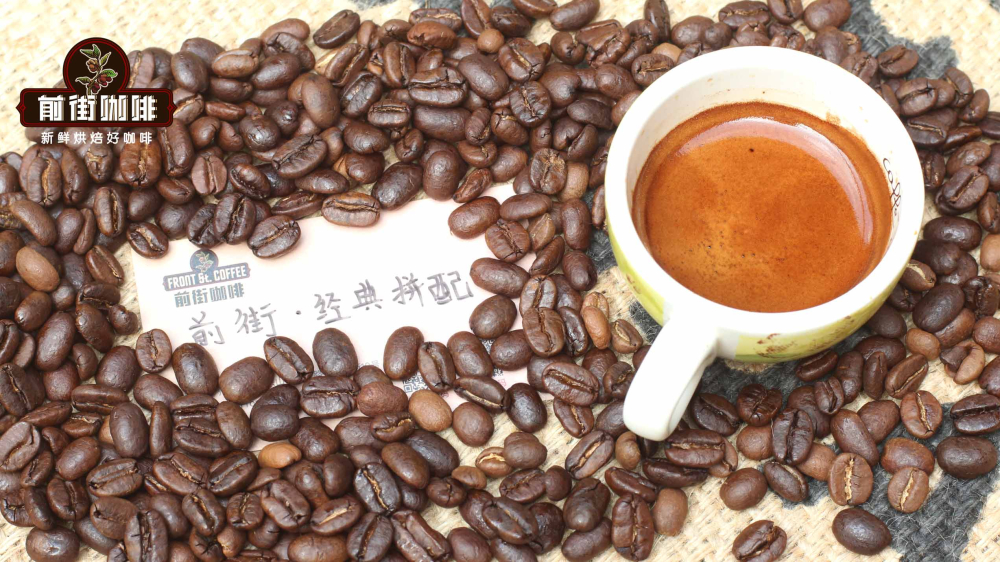
Many coffee beginners start with dark roast beans because the coffee they produce usually has strong caramel aromas, a rich body, and abundant crema—especially appealing to those who enjoy bold flavors. If you’re new to using a moka pot, a highly rated classic blend on the market is a great choice. This bean is designed specifically for espresso, using a traditional Italian roasting style with a clear flavor profile. You can often taste layers of butter, roasted chestnuts, macadamia nuts, and caramel. When used for lattes, it delivers an enchanting milk chocolate tone.
However, online, it’s common to see people sharing “failed” experiences using light roast beans in a moka pot, leading many coffee lovers to doubt whether light roast beans are suitable for moka pots. Common questions include: “Can light roast beans really be used for moka pot coffee?” The answer is no—they can. Light roast beans are also suitable for moka pots, but compared to dark roast beans, brewing good-tasting light roast moka pot coffee requires more precise adjustments to parameters such as grind size, coffee dosage, heat, and extraction time to overcome their naturally higher density and slower release of flavor compounds.
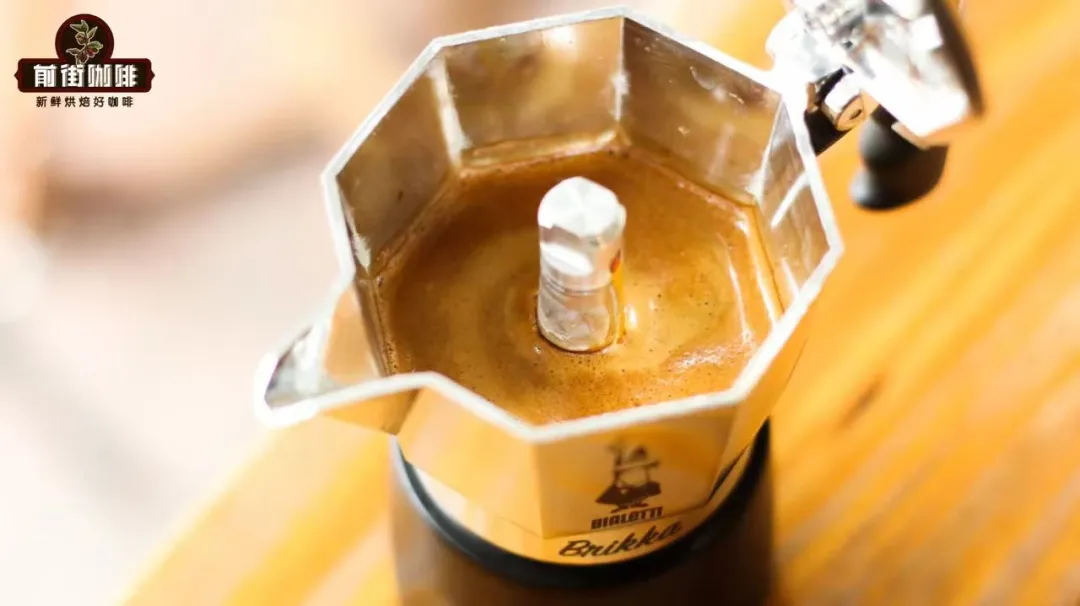
First, let’s look at the common “flavor issues” when using light roast beans in a moka pot. Many people, when using light roast beans for the first time, often find that the coffee tastes overly acidic, even sharply so, with unclear flavors and an overall profile that’s hard to enjoy. This situation mostly stems from “under-extraction.” When under-extracted, the sweet and bitter compounds that should be released from the coffee do not fully dissolve, causing acidity to dominate. Moreover, due to incomplete extraction, the flavors cannot be fully expressed. At this point, the moka pot’s output may also be accompanied by splattering or unstable “twin tails.”
To improve this, it’s recommended to adjust the grind size and coffee dosage—for example, by grinding finer or slightly increasing the amount of coffee used. You can also moderately reduce the heat and extend the extraction time to improve the overall extraction rate, allowing the various flavor compounds in the coffee to be more fully released. Additionally, many people directly use the same extraction parameters for light roast beans as they do for dark roast beans—such as the same coffee dosage and grind fineness—but these settings are not appropriate. Dark roast beans usually have a higher expansion coefficient and lower bean density, making flavor compounds easier to extract. In contrast, light roast beans, due to their lighter roast level, have higher bean density and require higher pressure and a finer grind to achieve sufficient extraction pressure and time. For example, if you previously used 20 grams of dark roast beans with a Galileo Q18 grind setting of 1.0 (approximately medium-fine), then when switching to light roast beans, you might consider using 21 grams of coffee and adjusting the grind to a finer level, close to powdered flour, to enhance extraction efficiency.
Beyond technical parameters, excessive acidity in coffee may also be related to roast level. Generally speaking, the lighter the roast, the more of the bean’s inherent acidity is retained, resulting in naturally higher acidity. If you don’t like overly sharp acidity, you can opt for beans with a slightly darker roast, such as medium-light roasts or SOE (Single Origin Espresso) beans. These beans have relatively softer acidity while still retaining rich floral and fruity notes. For example, some Ethiopian SOE roasted beans or strawberry-sugar-flavored Geisha blends are roasted to a moderate level and offer outstanding flavor performance—not only balancing acidity and sweetness but also showcasing diverse floral and fruit aromas.
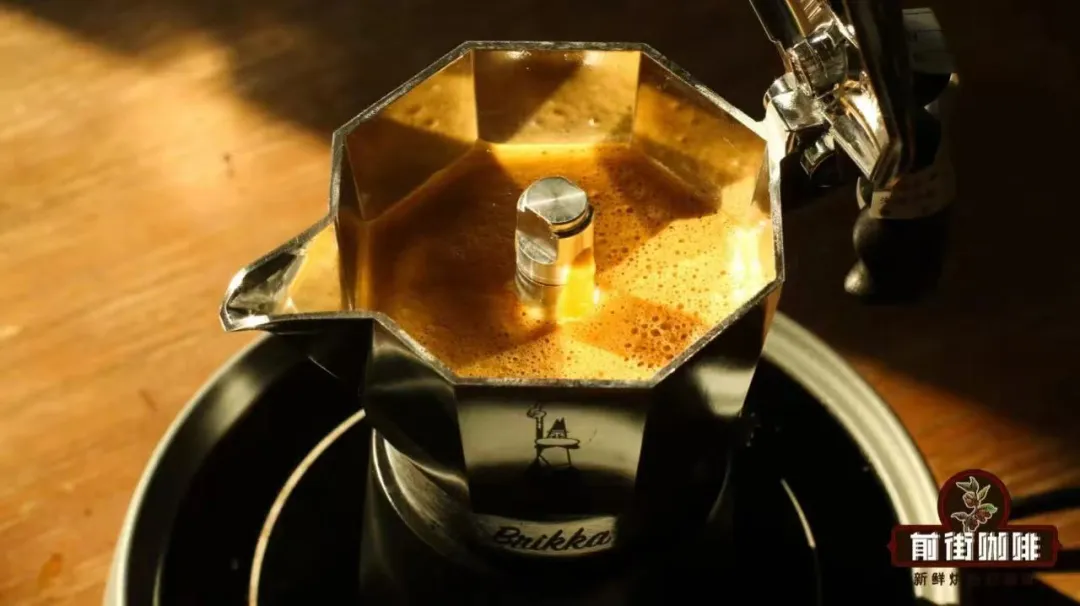
The second common issue is “lack of crema.” Many users report that when using light roast beans, the moka pot produces coffee with very thin or almost nonexistent crema. In fact, this isn’t necessarily due to user error, but rather a normal occurrence given the characteristics of light roast beans and the moka pot. The amount of crema mainly depends on the bean roast level and freshness. Generally, the darker the roast and the fresher the beans, the more carbon dioxide is released, resulting in a thicker crema. However, because the extraction pressure of a moka pot is far less than that of a professional espresso machine, even if the crema looks dense, it dissipates quickly and cannot maintain the stable foam structure of espresso—let alone be suitable for latte art. Therefore, it’s recommended to focus on the overall flavor performance of the coffee, rather than excessively pursuing the visual effect of the crema.
If you still hope for a more pronounced crema, you can choose light-to-medium roast beans with a slightly darker roast, but be aware that overly dark roasting may also mask the delicate floral and fruity notes inherent in light roast beans. It’s recommended to find a balance point based on personal taste.
The third common issue is “weak milk coffee flavor.” Many users buy a moka pot hoping to brew a strong coffee base and then add milk to make milk coffee drinks like lattes. But when using light roast beans, they often find that even with the same coffee-to-milk ratio as before, the overall flavor is not as expected—the coffee flavor is overpowered by the milk, making it taste more like a “milk drink.” This is also due to differences in roast level. During the roasting process, light roast beans undergo less caramelization and Maillard reaction, so they don’t produce the intense caramel or chocolate flavors that dark roast beans do. Instead, they offer fresher floral and fruity notes. While these flavors are charming, they are less complementary when paired with milk.
To improve this situation, it’s recommended to adjust the coffee-to-milk ratio—for example, changing from the commonly used 1:3.5 (typical for dark roast beans) to 1:3. That is, for every 50 milliliters of moka pot coffee liquid, pair it with about 150 milliliters of milk, allowing the coffee flavor to stand out more. Taking a strawberry-sugar-flavored Geisha blend as an example, using 50 milliliters of light roast moka pot coffee liquid with 150 milliliters of milk results in a bright berry tone that blends smoothly with the milk, offering a silky and rich mouthfeel—a very likable milk coffee combination.

The above content is compiled by CoffeeHunters, a coffee news website.


