







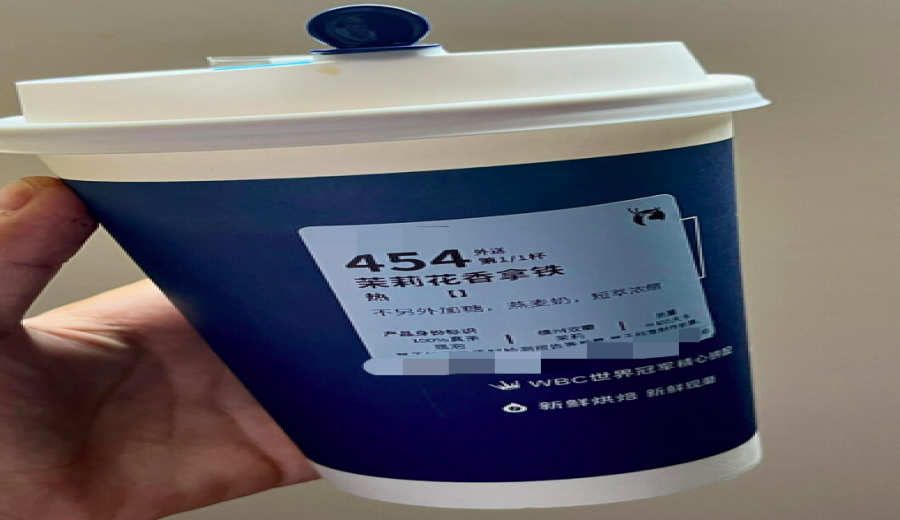
Introduction:Recently, many consumers have noticed that the flavor of Luckin Coffee's popular drink, the "Jasmine Latte," has changed — the coffee taste has become noticeably weaker, sparking market discussions. Is it a minor recipe adjustment or a change in ingredient proportions? This article delves into the process from the March upgrade of fresh-brewed tea to the June changes in espresso extraction methods, analyzes how the new formula impacts the overall taste, and explains the key differences between "short-shot espresso" and "espresso ristretto."
Many fans of Luckin’s tea-coffee series have recently reported a clear change in the taste of their usual "Jasmine Latte," especially since early June. Multiple customers mentioned that the tea flavor stands out while the coffee flavor almost disappears, with some describing it as drinking jasmine-flavored milk tea. In fact, this drink received positive feedback back in March after the fresh-brewed tea was upgraded — at that time, the tea aroma was refreshing and paired well with the coffee, making it a daily choice for many customers.
However, starting from June 2, many regular customers found that the Jasmine Latte they ordered that day tasted very different from what they had the previous day. Some customers posted on social media platforms: “The coffee flavor is super light, like water,” “I only taste jasmine tea, there’s no coffee sensation at all,” “5.9 yuan feels like I bought a plain cup of tea.” These comments quickly sparked heated discussions, with many suspecting that Luckin had adjusted the drink’s formula without publicly announcing it.
Some attentive consumers noticed a key change on the packaging labels. The Jasmine Latte purchased on June 1 listed the espresso type as "espresso ristretto," but by June 2, the same drink’s label had changed to "short-shot espresso." This detail led to speculation that the difference in espresso extraction methods might be the reason behind the overall flavor shift.
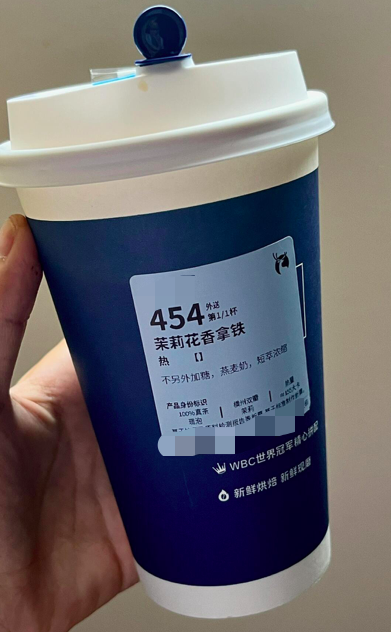
In the professional coffee field, "espresso" actually encompasses multiple brewing methods. The common Espresso is the standard shot, while "short-shot espresso (Ristretto)" is extracted only from the first half of the espresso machine’s output, with a shorter extraction time and smaller volume. It delivers a more concentrated flavor but in a smaller quantity. Compared to standard espresso, short-shot espresso usually has slightly less caffeine and a brighter flavor, but if the proportions aren’t adjusted properly, it can make the coffee presence in the overall drink less noticeable.
Moreover, according to an insider from Luckin, the adjustment wasn’t limited to just the type of espresso extraction — the entire recipe was actually modified, including the proportions of tea, milk, and coffee. It’s understood that the new recipe increases the proportion of tea, while reducing the total amount of coffee and milk, resulting in an overall taste that leans more toward tea and further dilutes the coffee flavor.
From internal material images provided by the employee, it can be seen that the biggest differences between the old and new recipes lie in the espresso extraction method and the amount of tea used. Some frontline staff also noted that due to the change in the tea-to-coffee ratio, the amount of milk added has also been slightly adjusted, leading to an overall trend where “the tea flavor is stronger, while the coffee and milk flavors are more subdued.”
Although this recipe adjustment was not officially announced, it has already had a noticeable impact on consumer experience. Many loyal customers who previously enjoyed this tea-coffee drink expressed disappointment, believing that the adjusted version has lost its original balance. The coffee aroma isn’t prominent enough, and the overall impression is more like jasmine-flavored milk tea rather than a latte that harmonizes both coffee and tea flavors.
Faced with widespread customer dissatisfaction and negative reviews, some store employees admitted that they’ve recently received many questions from customers about whether the drinks have been “watered down,” requiring them to spend more time explaining the reasons for the adjustments. While the brand may be aiming for a fresher tea aroma, the lack of adequate communication regarding the changes has left many familiar with the original recipe feeling unsettled.
Overall, Luckin’s recent adjustment to the Jasmine Latte’s recipe mainly involves switching to "short-shot espresso" and reallocating the proportions of tea, coffee, and milk. While these changes may be driven by product innovation or cost considerations, for customers who value the expression of coffee flavor, finding a balance between tea aroma and coffee presence will be a crucial direction for future adjustments.
The above content is compiled by CoffeeHunters, a coffee news website.


