







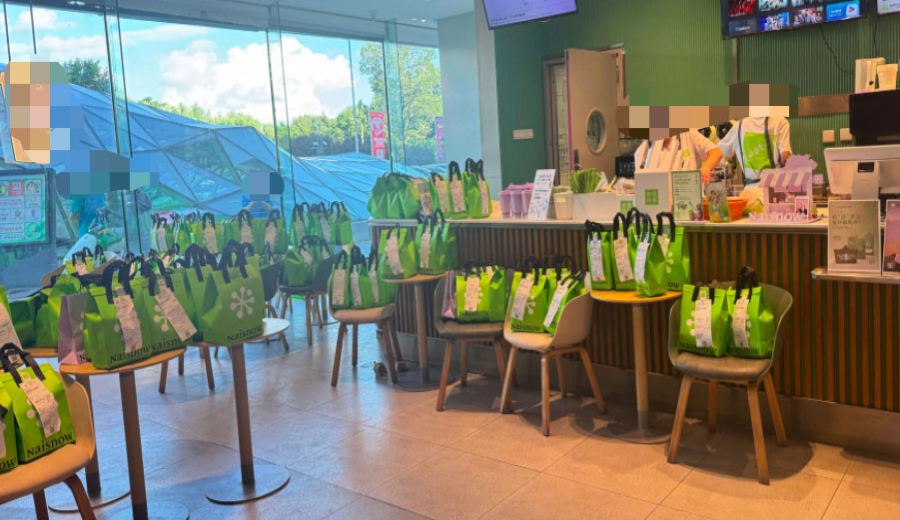
Introduction:As tea beverage brands rode the wave of the "first cup of autumn milk tea" trend, the surge in orders overwhelmed some outlets, causing chaos. Recently, a video sparked heated discussion: a JD delivery rider entered the counter area of Chagee to help with packaging, igniting intense online debate about food safety and operational standards. This article delves into the potential risks of non-staff entering the counter area and analyzes key food safety management points.
Yesterday, social media platforms were flooded with the "first cup of autumn milk tea" trend, leading to a sharp spike in orders for national chain tea and coffee shops, with some popular stores even setting single-day sales records of a thousand cups. Under the intense pressure of high-volume orders, a striking scene was captured on video: a JD delivery rider in uniform appeared inside the counter area of a Chagee store, skillfully assisting staff in packaging completed drinks.
The circulating video shows the JD rider deftly securing lids onto cups, carefully inspecting them before placing the drinks on the pickup counter. Despite wearing a delivery uniform, he wore a mask and hairnet just like the in-store staff, demonstrating attention to basic hygiene requirements. Many netizens praised his proactive assistance, viewing such mutual aid during a staffing crunch as a "lifeline in a storm."
However, many consumers expressed concern. According to basic food safety standards, the counter operation area is a critical food handling zone, typically restricted to internal staff who hold valid health certificates and have undergone professional training. These employees must not only wear masks, hairnets, and aprons but also strictly adhere to hygiene protocols to ensure the cleanliness and safety of drink preparation.
Although the delivery rider wore basic protective gear and was presumably certified with the platform’s required health credentials, netizens questioned whether an external individual without systematic store training could truly meet the strict counter operation standards. Especially when handling unsealed drinks or operating machinery, even minor lapses could compromise hygiene and potentially cross the "red line" of food safety regulations.
"Doesn’t this touch the red line of food safety?" "If outsiders enter the counter, the store might be penalized during audits." "Did they even wash their hands properly?" "What if a store inspector catches this—won’t there be fines?" Netizens voiced their concerns in the comments, arguing that even well-intentioned actions by non-staff could introduce unnecessary risks and complications for the store.
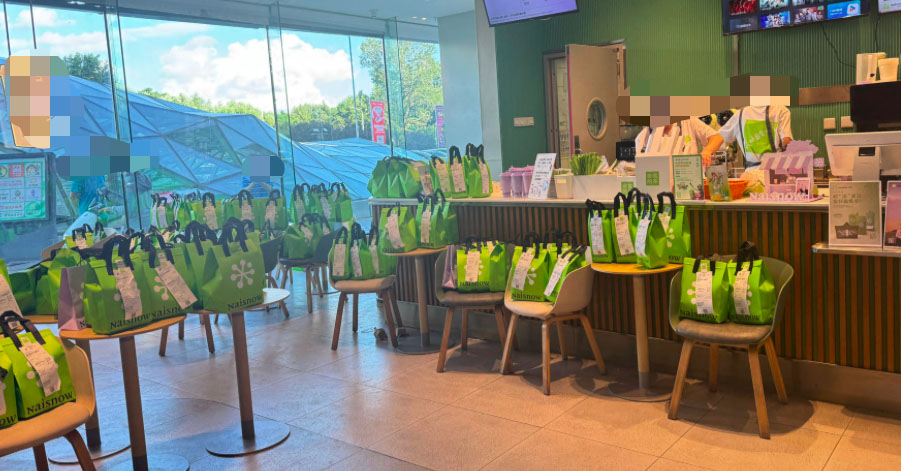
In response to the online discussion, industry professionals shared insights on social platforms, noting that in situations where orders pile up and pressure to fulfill them reaches a breaking point, rider assistance can indeed be a much-needed solution. However, some experts cautioned that while simple tasks like bagging or labeling may carry lower risks, any involvement with critical areas such as drink preparation equipment or unsealed beverage cups—even with good intentions—could violate store policies and disrupt established workflows.
This incident highlights the operational challenges tea shops face during peak traffic periods and has prompted the public to re-examine counter access permissions, health management, and food safety standards. How businesses can maintain both service efficiency and unwavering food safety compliance will be a key focus for continuous improvement in the future.
The above content is compiled by CoffeeHunters, a coffee news website.


