







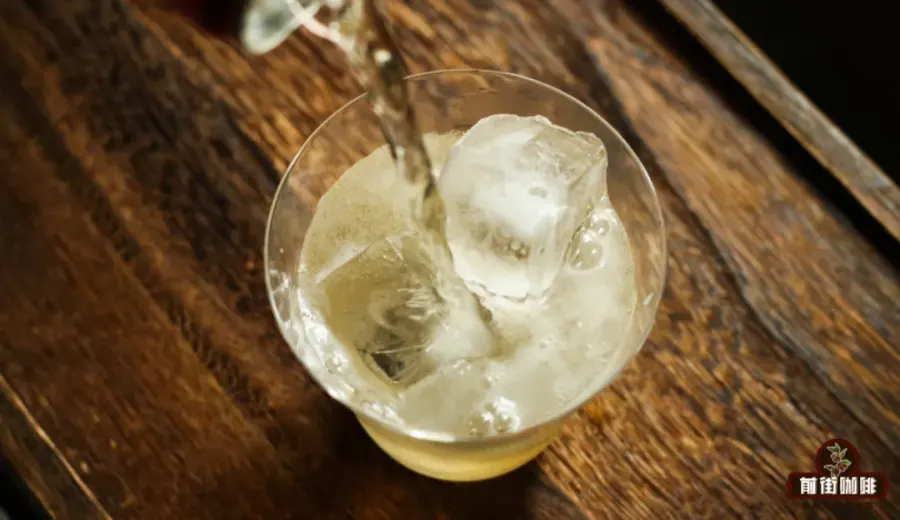
Introduction:Ginger ale Americano has become a new favorite in the coffee scene in recent years, combining espresso with ginger ale to deliver a unique experience of spice and bubbles. But with so many ginger ale brands on the market and significant flavor variations, how do you choose the right one? This article puts three popular ginger ales—Schweppes, Watsons, and Canada Dry—to the test. From solo tastings to pairings with medium-dark and light roast beans, we analyze sweetness, ginger intensity, carbonation, and overall harmony to help you find your perfect match.
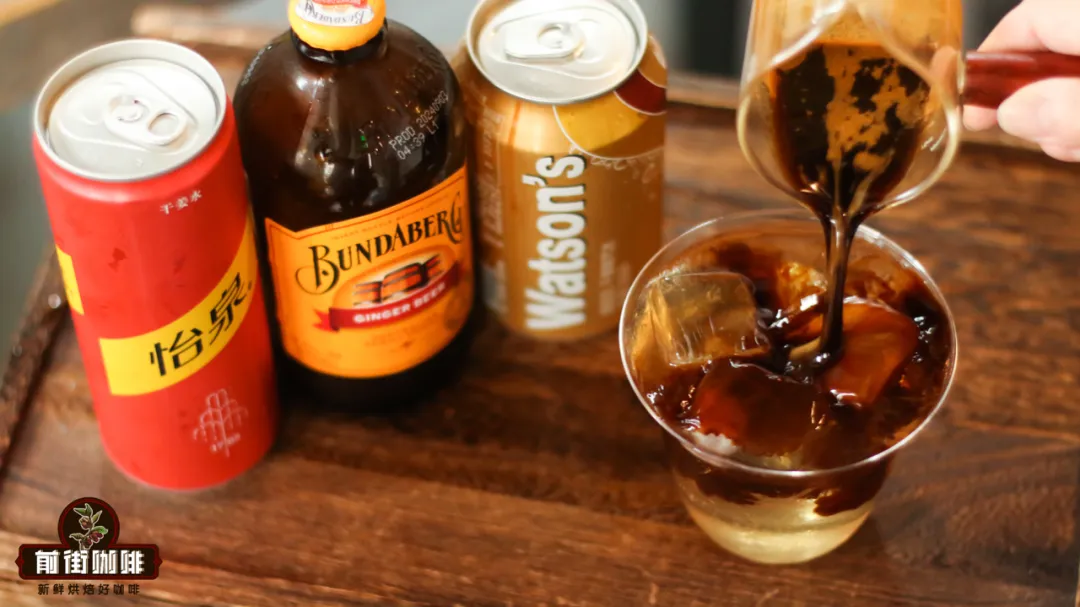
In recent years, the “ginger ale Americano” has emerged as a new flavor many coffee enthusiasts are eager to try. This drink combines traditional espresso with ginger-flavored sparkling water (a carbonated beverage), creating a uniquely stimulating yet refreshing taste. It’s an especially great choice when you want a caffeine boost in the summer without sacrificing that crisp, clean feel.
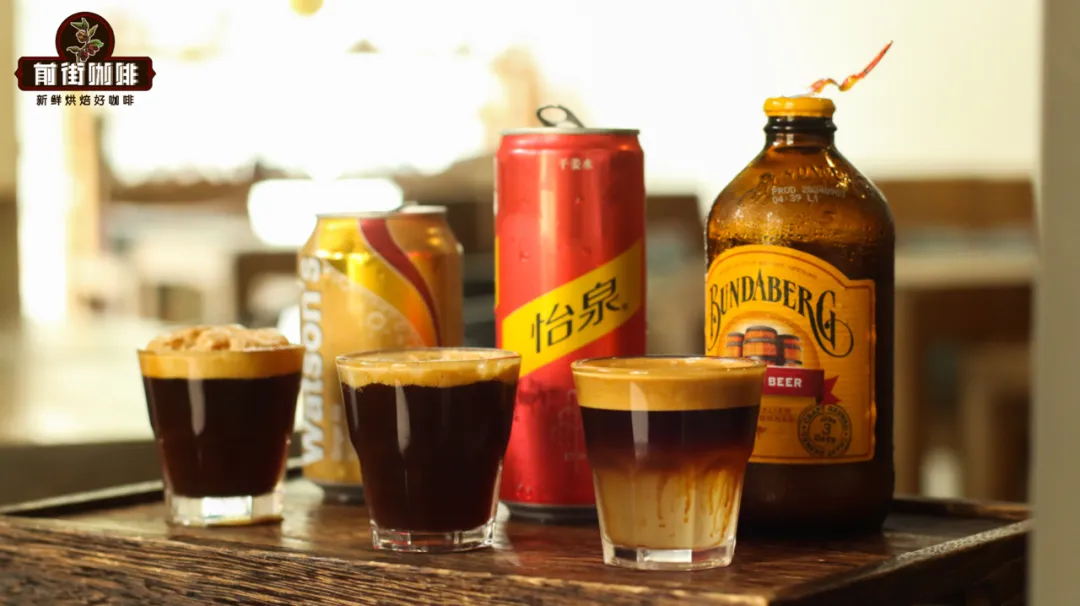
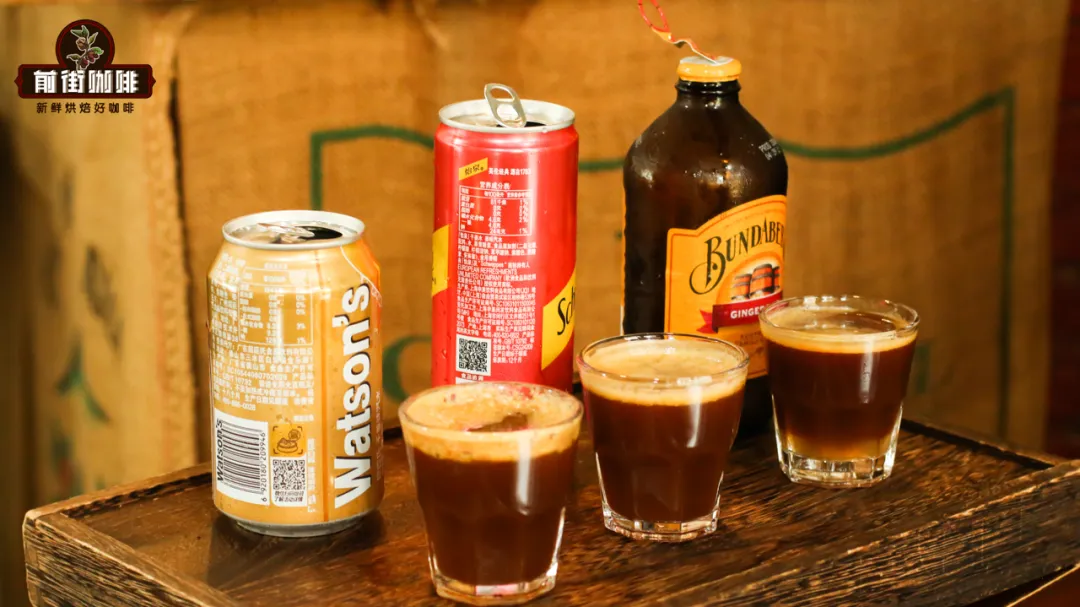
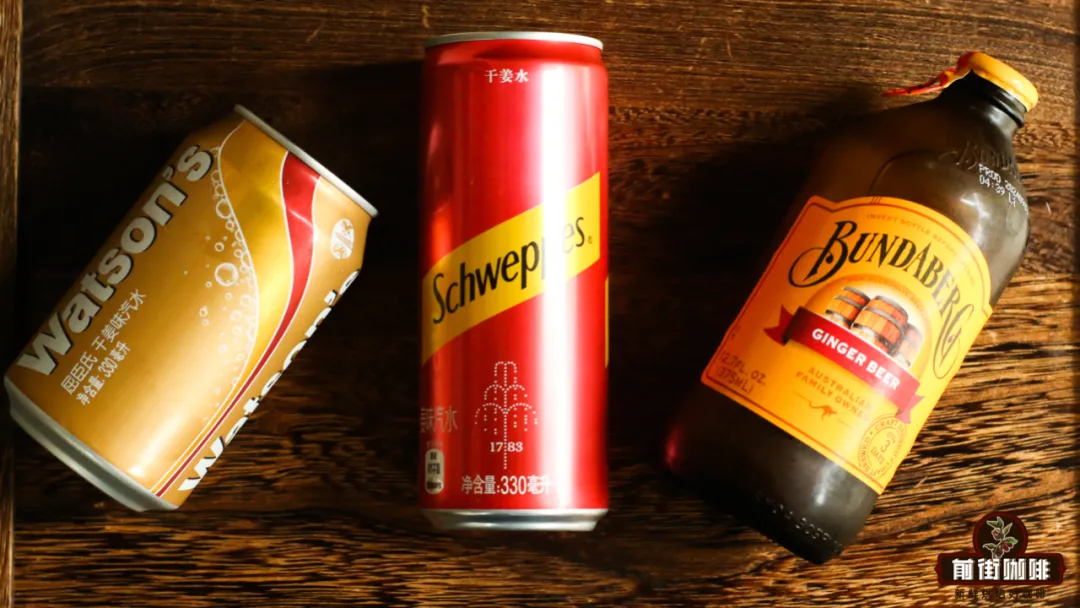
However, different brands of ginger ale vary considerably in ginger intensity, sweetness, and carbonation, which directly impacts how well they pair with coffee. To explore this, we purchased three popular and widely available ginger ales—Schweppes, Watsons, and Canada Dry—and conducted a sensory evaluation of their individual flavors. We then paired each with a medium-dark roasted “Warm Sun Blend” and a light roasted “Hakka” coffee bean to deliver a practical review, identifying the best combination for you across multiple dimensions.
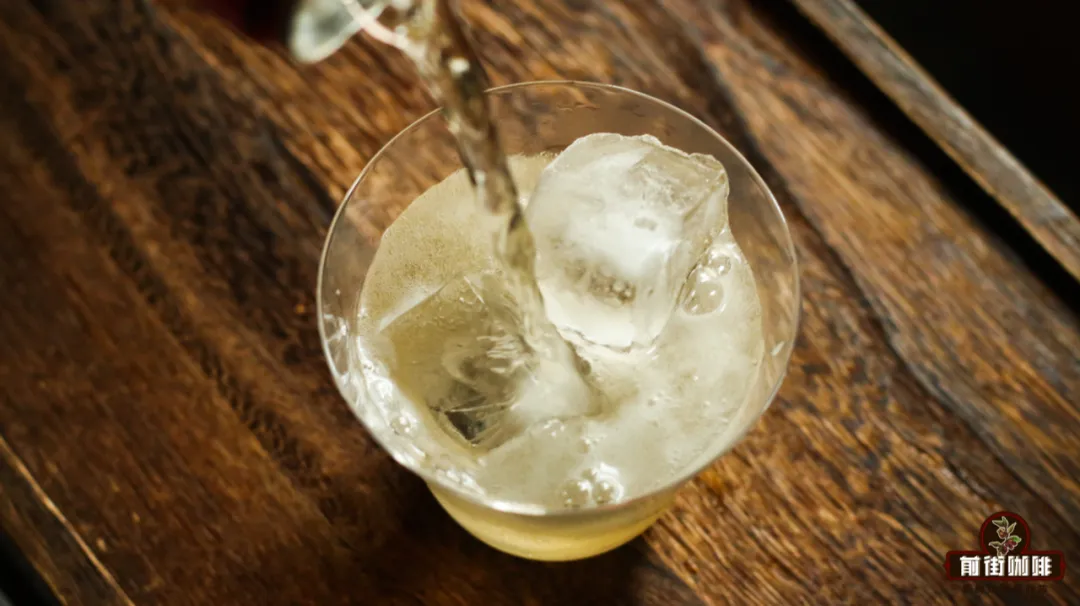
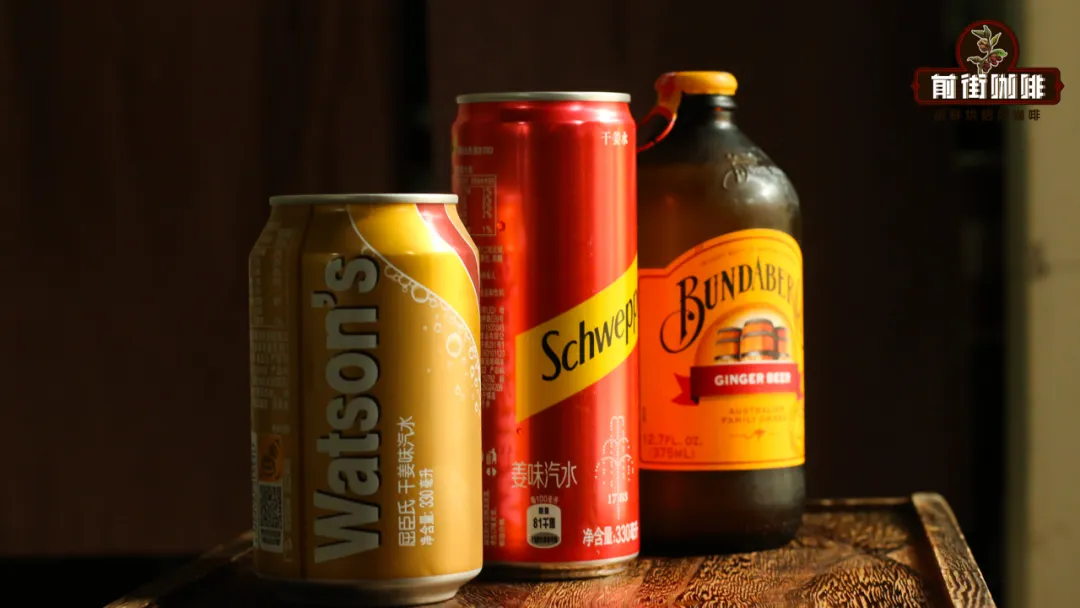
Before diving into testing, let’s first briefly familiarize ourselves with these three ginger ales. Schweppes, Watsons, and Canada Dry are all relatively common brands on the market, with single-can prices of approximately 2.1 RMB, 2.8 RMB, and 14 RMB respectively—quite a price gap. Visually, their ingredient lists may look similar, but actual flavor profiles differ significantly due to variations in formulation ratios and production processes.
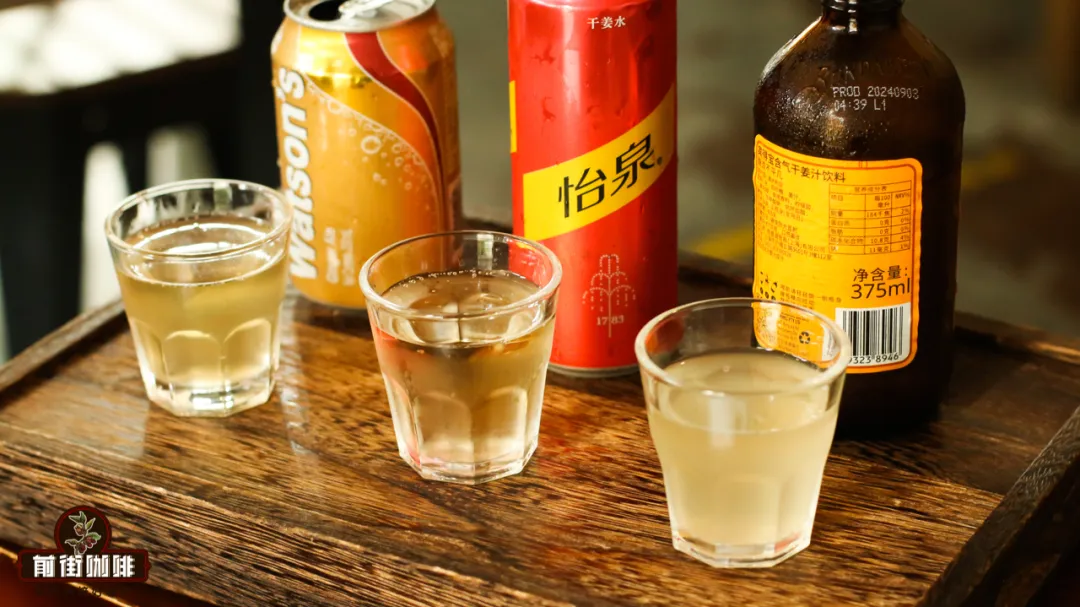
First up is Schweppes Ginger Ale. Visually, this ginger ale is the clearest of the three. Upon tasting, you’ll immediately notice its relatively high sweetness, even carrying a Sprite-like sugary freshness. The ginger flavor is relatively mild compared to the other two, not as assertive, but it offers ample carbonation, delivering a distinctly refreshing and slightly tingling sensation—making it ideal for consumers who prefer a lightly sweet taste.
Next is Watsons Ginger Ale. Its liquid has a pale yellow hue with moderate clarity. Its most standout feature is an exceptionally prominent ginger flavor—it’s arguably the most intense among the three, delivering an immediate punch of the spicy, bold heat characteristic of fresh ginger, making it highly distinctive. However, it has the lowest sweetness of the trio, and its carbonation feels finer and more abundant, resulting in an overall sharper stimulation, which might be more challenging for those unaccustomed to ginger or bitter flavors.
Finally, there’s Canada Dry Ginger Ale. Though it’s the least clear of the three, its overall performance is the most balanced. The ginger intensity falls between Schweppes and Watsons, while its sweetness is moderately high. Its carbonation is relatively soft, resulting in a smooth and mellow mouthfeel. Whether in terms of sweetness, ginger flavor, or bubble sensation, it stays within a relatively harmonious range, suiting most palates.
To more accurately assess how these ginger ales pair with coffee, we selected two beans with different roast levels for testing: a medium-dark roasted “Warm Sun Blend,” characterized by notes of whiskey, buttery cookies, and berries; and a light roasted “Hakka,” with bright acidity and rich layers. Both coffees were mixed with ginger ale at a 1:4 ratio (espresso:ginger ale) to simulate typical preparation methods.
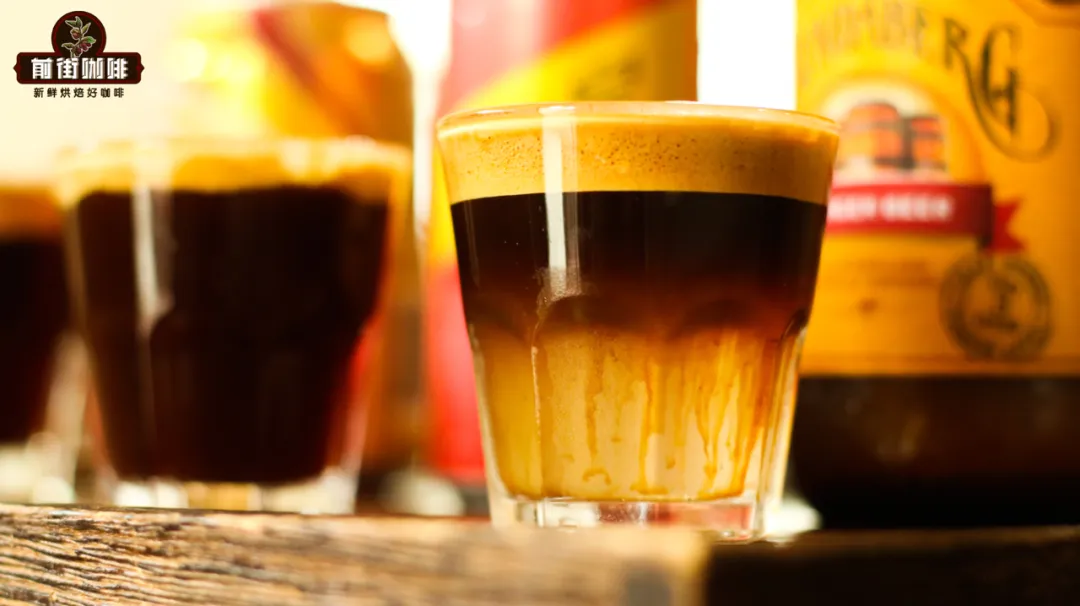
For the Warm Sun Blend test, we used 20 grams of coffee grounds with a brew ratio of 1:2, extracting for about 30 seconds to yield roughly 20 milliliters of espresso, then adding 80 milliliters of each brand of ginger ale. The Schweppes version, due to its naturally higher sweetness, masks much of the ginger flavor when mixed with coffee, primarily showcasing a sweet, chocolatey profile. The bubbles remain noticeable, but the overall character is somewhat muted. The Watsons version, on the other hand, highlights a strong interplay between ginger and coffee flavors, with distinct layers of chocolate, whiskey, and caramel. However, due to its high carbonation and low sweetness, the initial sip can be quite intense—making it better suited for those seeking a bold flavor experience. The Canada Dry version delivered the most harmonious result, balancing sweetness, ginger, and coffee bitterness, with a smooth and mellow mouthfeel, achieving the highest overall acceptance.
Switching to the light roasted Hakka beans, their lower roast level reduces inherent bitterness and enhances acidity. When paired with ginger ale, the overall profile becomes even more refreshing. While the coffee flavors aren’t as intense as with the medium-dark roast, the layers are richer—especially when paired with Canada Dry or Schweppes, which evoke a fruity, ginger soda-like sensation, making it easier on the palate. For light roasts, we recommend adjusting the ginger ale ratio as needed, reducing it to 1:3 or 1:3.5, to achieve a more balanced overall flavor.
Based on our comprehensive testing, if you prefer a ginger ale Americano with high sweetness and an overall mild, non-irritating flavor, Schweppes Ginger Ale is a suitable choice. If you enjoy intense ginger flavor and a bold mouthfeel, the Watsons version better meets that need—but be mindful of its low sweetness and high carbonation, which may bring a sharp stimulation. Canada Dry, meanwhile, excels in balance, with its sweetness, ginger intensity, and carbonation all hitting the sweet spot, making it suitable for most people. Despite its higher price, it still offers good overall value.
When actually pairing, you can also fine-tune the ratio based on the season or personal taste preferences—for example, increasing the soda water proportion in summer for extra refreshment, or slightly raising the coffee ratio in winter to enhance warmth. Additionally, using freshly brewed espresso ensures optimal flavor, and opting for chilled ginger ale helps keep the overall drink crisper and more invigorating.
The above content is compiled by CoffeeHunters, a coffee news website.


