







Introduction:Luckin Coffee recently sparked widespread discussion after it was revealed that they mandatorily destroyed unused co-branded packaging materials following the end of a collaboration campaign. Netizens questioned the waste and environmental implications. Was this a necessary step to comply with intellectual property regulations, or is there more to the story? This article delves into the considerations behind managing co-branded packaging and how to strike a balance between commercial compliance and environmental sustainability.
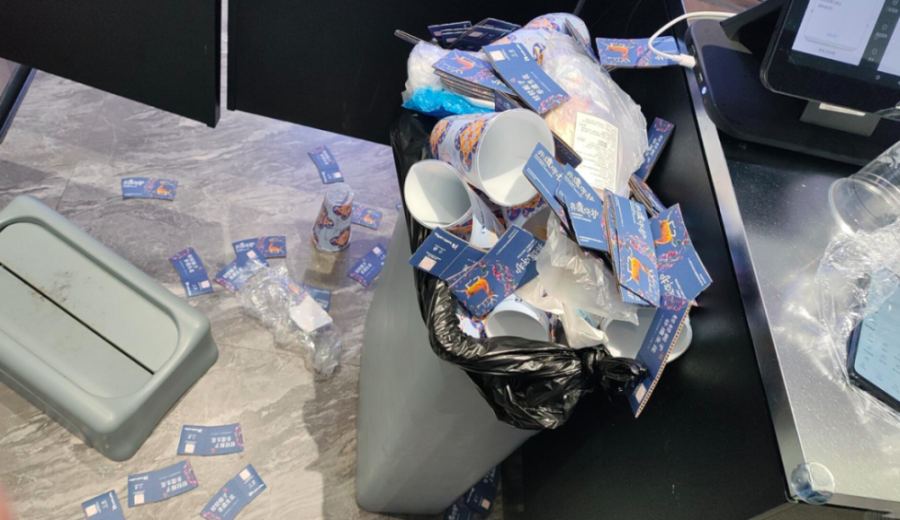
Recently, a video circulating on social media has stirred extensive debate: Luckin Coffee employees were seen cutting up unused co-branded packaging materials in-store, including cup sleeves, paper bags, and merchandise. The footage showed trash bins piled high with brand-new cup sleeves and takeaway cups, prompting many netizens to exclaim, “What a waste.” In fact, this is not an isolated incident but a routine practice for Luckin before the end of each co-branded campaign.
According to insider sources, on the night before the end of every co-branded campaign, stores are required to destroy all remaining co-branded packaging and merchandise under surveillance, regardless of whether they have been opened or not. For example, previously during a limited-time collaboration with Chengdu’s cultural tourism board, unsold panda plush toys and pins were also uniformly discarded after the campaign ended. This same approach has once again raised public concerns — why can’t these intact materials be reused or repurposed in other ways?
Netizens have proposed various alternatives. Some suggest offering leftover packaging to interested customers or even placing them in-store for customers to take freely. This could both reduce waste and enhance customer experience. Others mentioned that competitor CuDi continues to use leftover co-branded packaging materials until they run out after a campaign ends, saving costs and avoiding waste.
However, industry insiders familiar with the details of brand co-branding collaborations pointed out that Luckin’s approach is likely due to restrictions imposed by the collaborating brands. Co-branding often involves complex intellectual property and portrait rights licensing.Typically, the collaborating brand only grants the right to use their character images, logos, and other elements for a specific period of time.Once the licensing period expires, if the store continues to use the related packaging, the brand may face breach of contract risks and even be liable for substantial compensation.
This is one of the reasons why Luckin mandates the in-store destruction of leftover packaging after the campaign ends.While it may seem like a significant waste of materials, compared to the potential costs of infringement compensation, outright destruction turns out to be the lower-risk option.This decision reflects the brand’s balancing act between regulatory compliance and cost management.
Additionally, some consumers have suggested that brands could adopt more flexible solutions in the future, such as planning ahead for recycling and reuse mechanisms for packaging materials, or launching “last chance” promotional campaigns before the collaboration ends to clear inventory. However, these options still need to be implemented within strict intellectual property guidelines, and not all brands can easily adjust their practices.
This incident has also prompted the public to reconsider the operational logic behind brand co-branding. While co-branded campaigns can bring short-term traffic and buzz for a brand, the subsequent management of materials, disposal of inventory, and adherence to intellectual property regulations are equally critical aspects that cannot be overlooked. For consumers, understanding these underlying considerations might allow for a more forgiving perspective on brand decisions.
Moving forward, finding a balance between commercial operations, intellectual property protection, and environmental responsibility will be a key challenge for the continued success of brand co-branding campaigns. The Luckin co-branded packaging destruction incident undoubtedly provides a thought-provoking case for the industry.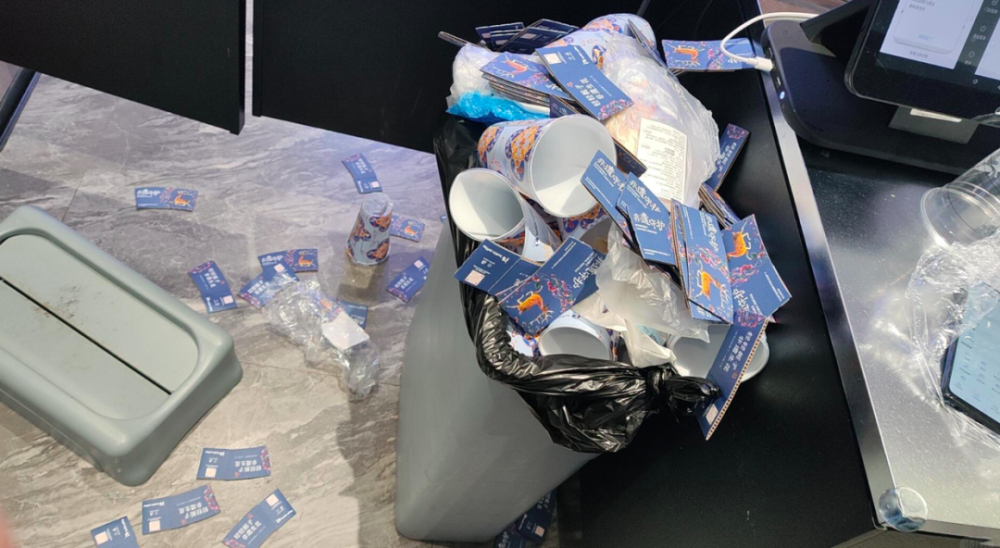
The above content is compiled by CoffeeHunters, a coffee news website.


