







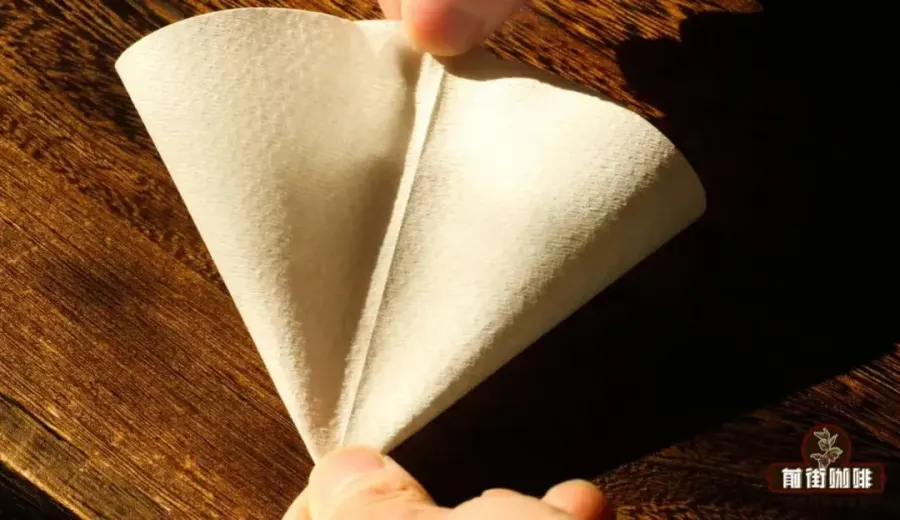
Introduction:During the pour over brewing process, the choice between paper filters and non-woven fabric filters can significantly impact the final flavor profile of the coffee. This article delves into the characteristics of these two filter types, examining aspects such as filtration efficiency, oil retention, and flavor complexity to help readers understand how paper and non-woven filters specifically affect coffee taste. Through practical brewing parameters and sensory comparisons, it guides you in selecting the most suitable filter based on your personal preferences.
In the world of pour over coffee, the choice of filter is a key factor influencing a cup’s flavor. Among them, paper filters are renowned for their excellent filtration ability, delivering clean and bright coffee liquid. However, they also intercept some of the coffee oils that contribute to aroma and body, resulting in a cleaner taste but with less complex and lingering aftertaste. This article will start from the filtration principle, analyze the characteristic differences between paper and non-woven filters, and through side-by-side brews under identical conditions, allow you to intuitively perceive their different flavor expressions.
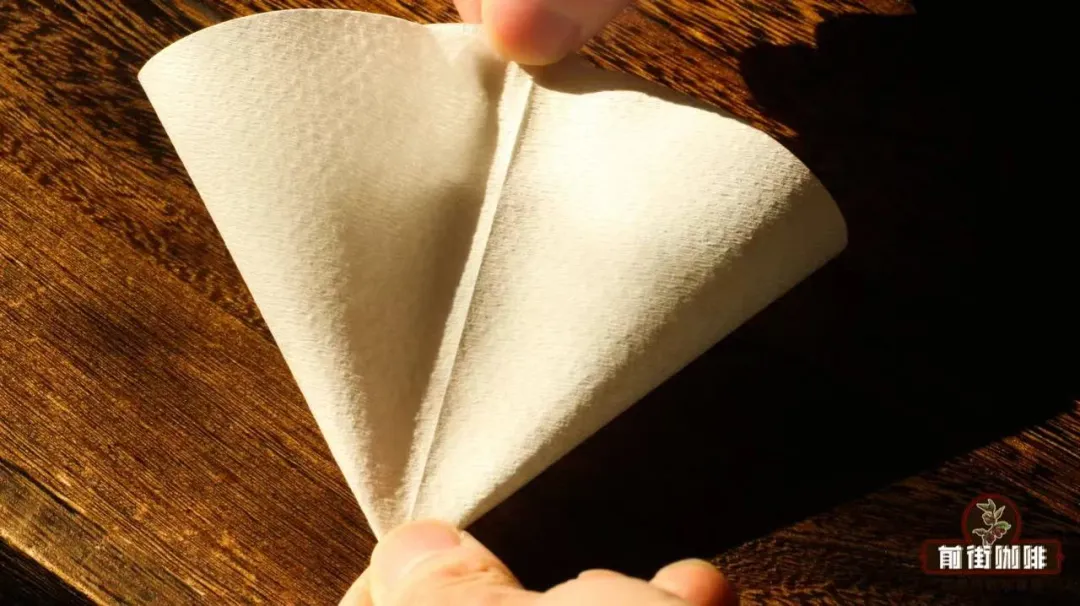
While paper filters effectively remove coffee fines and impurities, providing a clean and bright visual and taste experience, their overly strong filtration can also trap some components that contribute to aroma and body—such as coffee oils—within the filter cone. This is why coffee brewed with paper filters is often considered to be slightly inferior in aroma complexity and mouthfeel richness compared to cloth or metal filters.
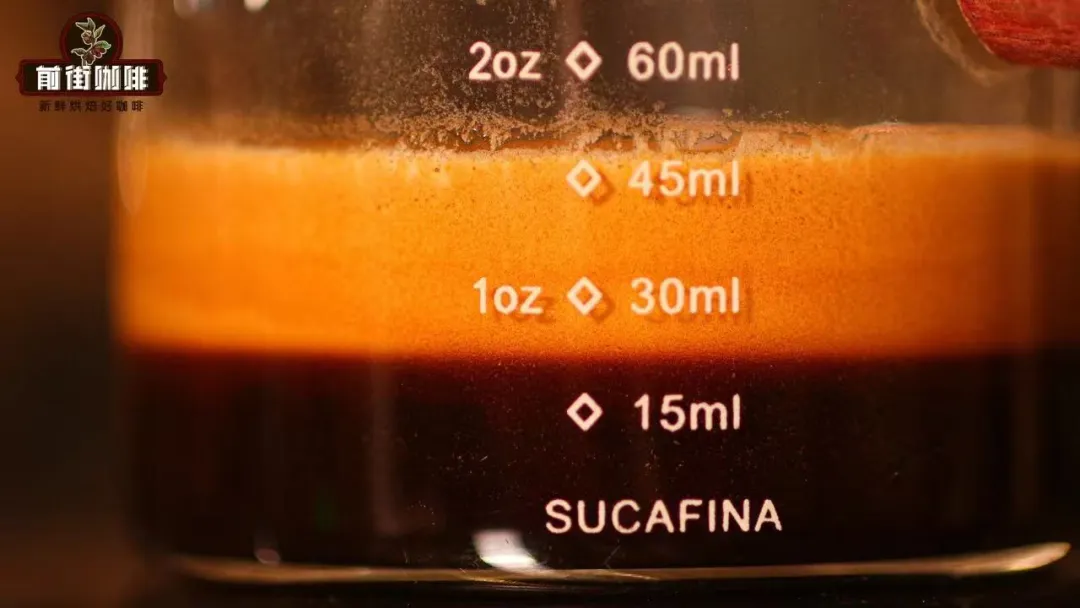
When it comes to coffee oils, many people first think of the golden, creamy crema atop an espresso shot. This unique layer, formed only under pressurized extraction, is seen as the soul of espresso. However, beyond crema, coffee oils themselves are also an important element that influences the flavor of drip coffee.

During the drip process, natural oils in coffee beans are partially emulsified and dispersed into the coffee liquid due to the effects of water temperature and pressure during extraction. These tiny droplets not only encapsulate carbon dioxide released by the coffee but also bring a smooth, rich mouthfeel and more complex aromas. In fact, these oils and carbon dioxide are the two main components of crema, with the oils being the key to enhancing overall coffee flavor.
It’s worth noting that even without pressurized extraction, adjusting brewing parameters—such as appropriate grind size, water temperature, and pouring technique—can still effectively extract oils from coffee, thereby enhancing the aroma intensity and smoothness of drip coffee. However, all of this is closely related to the chosen filtration medium. Paper filters, due to their dense structure, significantly reduce the chance of oils entering the coffee liquid, while cloth or other more permeable filters can retain more oils, delivering a distinctly different drinking experience.
In short, while paper filters offer a clean and refreshing taste along with a clear flavor profile, they may fall short in terms of aroma longevity and body richness compared to cloth or metal filters. If you prefer a clean-tasting, well-defined, and visually pure cup of coffee, paper filters are undoubtedly a great choice. But if you’re seeking a rounder, more aromatic, and longer-lasting aftertaste, switching to cloth or mesh filters might better suit your needs.
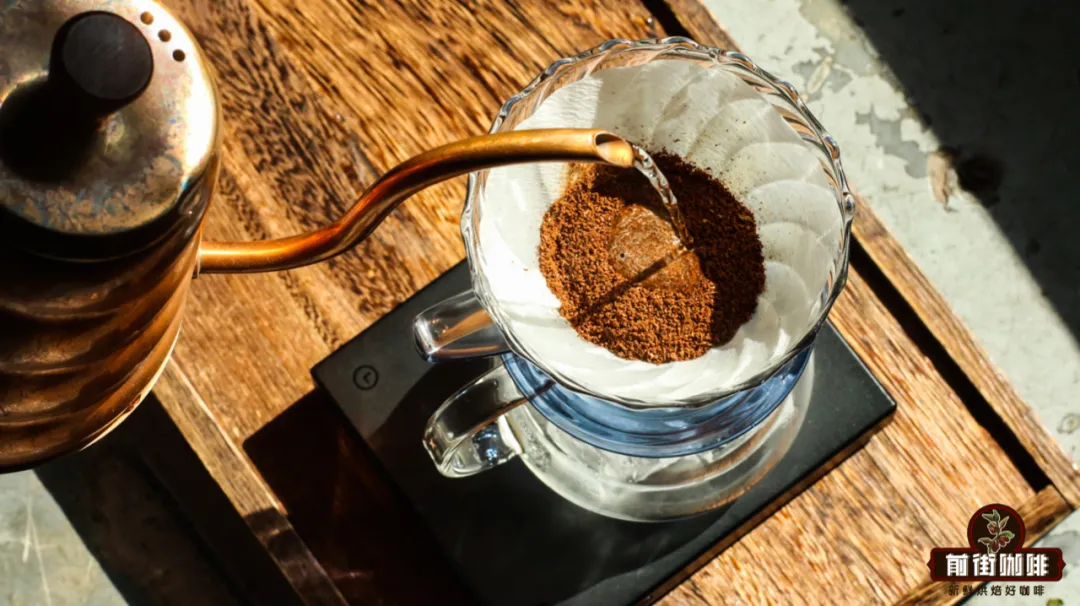
To help readers more直观ly understand the practical differences between paper and non-woven filters, we conducted a comparative experiment under identical brewing conditions. The experiment used Green Label Geisha coffee beans, with a coffee dose of 15 grams, a brew ratio of 1:15, and water temperature maintained at 92°C. Grind size was fine-tuned according to the filter type to maintain similar flow rates. The V60 filter cone was used, and brewing was carried out using a three-pour method.

The specific steps were as follows: First, a 30 ml bloom with hot water for 30 seconds, followed by pouring 120 ml of hot water in small streams along a large circle as the second pour. After most of the water had drained, a final 75 ml was poured in small streams along a smaller circle. The entire process emphasized a stable water stream and even dispersion of the coffee bed. Finally, once the coffee liquid had completely dripped through, the filter cone was removed to complete the brew.
From the comparison chart of the experimental results, it’s evident that coffee brewed with paper filters appeared clean and bright, with almost no visible oil sheen. In contrast, coffee made with cloth filters had a slight glossy surface with clearly visible oil droplets. This highlights the significant difference in oil filtration capability between the two filter types.
In terms of flavor, the Green Label Geisha brewed with a paper filter exhibited a clear and pronounced aroma profile, with flavors dominated by jasmine, citrus, and honey, and a clean aftertaste reminiscent of oolong tea, delivering an overall refreshing and well-layered cup. The cloth-filtered version, while slightly less clear in flavor definition, featured a longer aftertaste, a richer and smoother mouthfeel, and more layered, sustained aroma.
These two flavor profiles are not absolutely better or worse—they depend on personal preference. If you enjoy a clean, well-defined flavor, paper filters are a solid choice. If you prefer a richer aroma, smoother mouthfeel, and longer-lasting finish, consider using cloth or mesh filters for brewing.
In conclusion, both paper and non-woven filters have their own advantages and characteristics. Paper filters offer a clean, bright presentation and a refreshing taste, ideal for coffee lovers who value clarity and minimal interference. Cloth filters, on the other hand, retain more coffee oils and aromatic compounds, delivering a richer and smoother drinking experience. Understanding these differences will help you choose the most suitable filter for your taste during pour over brewing, allowing you to craft your ideal cup of coffee.
The above content is compiled by CoffeeHunters, a coffee news website.


