







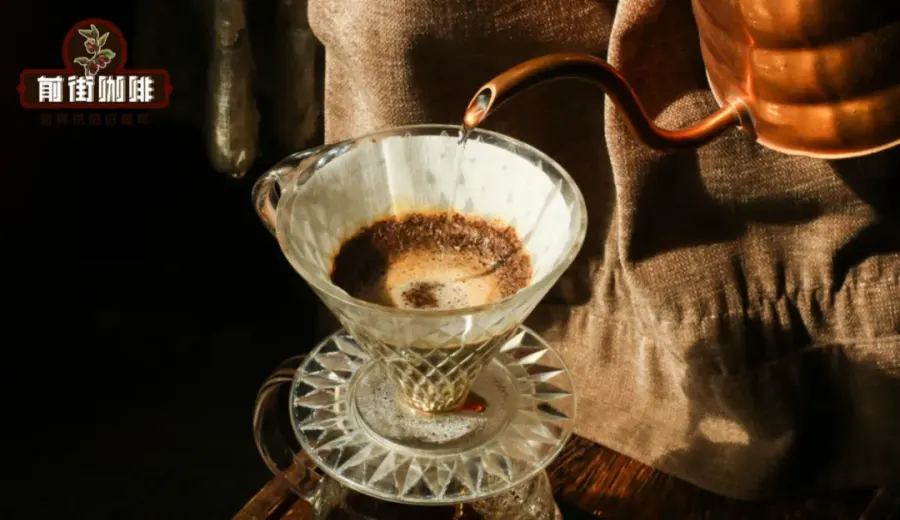
Introduction:Many pour over coffee enthusiasts tend to use fixed coffee-to-water ratios, such as 1:15 or 1:16. However, if the amount of coffee grounds changes slightly without adjusting the water volume accordingly, it will directly affect the extraction yield and coffee concentration, thereby altering the overall flavor profile. This article analyzes the differences in concentration and flavor resulting from minor adjustments in coffee-to-water ratio through an experiment where 225ml of hot water is used to brew 14g, 15g, and 16g of coffee beans respectively, helping you gain more precise control over your pour over details and improve the quality of each brew.
In daily pour over brewing, many coffee lovers habitually adopt so-called "safe range" coffee-to-water ratios such as 1:15 or 1:16. These parameters can indeed help beginners more easily achieve balanced extractions. However, when we consistently use a fixed amount of coffee with a fixed amount of water over time—even with just a 1-gram change in coffee dosage—we often maintain the same pouring volume, unknowingly causing the actual coffee-to-water ratio to shift.
The coffee-to-water ratio is not simply a matter of the proportion between coffee grounds and water; it directly relates to the extraction yield and concentration of the coffee, both of which are key factors influencing the final flavor and mouthfeel. This article presents an immersion-style extraction experiment using the Switch smart dripper, where 225ml of hot water is used to brew 14g, 15g, and 16g of a certain brand’s Yirgacheffe · Red Cherry coffee beans. The experiment observes how slight variations in coffee dosage actually affect the measured concentration values and flavor profiles due to changes in the coffee-to-water ratio. It also explores how to optimize other parameters in tandem when adjusting coffee dosage to maintain stable extraction.
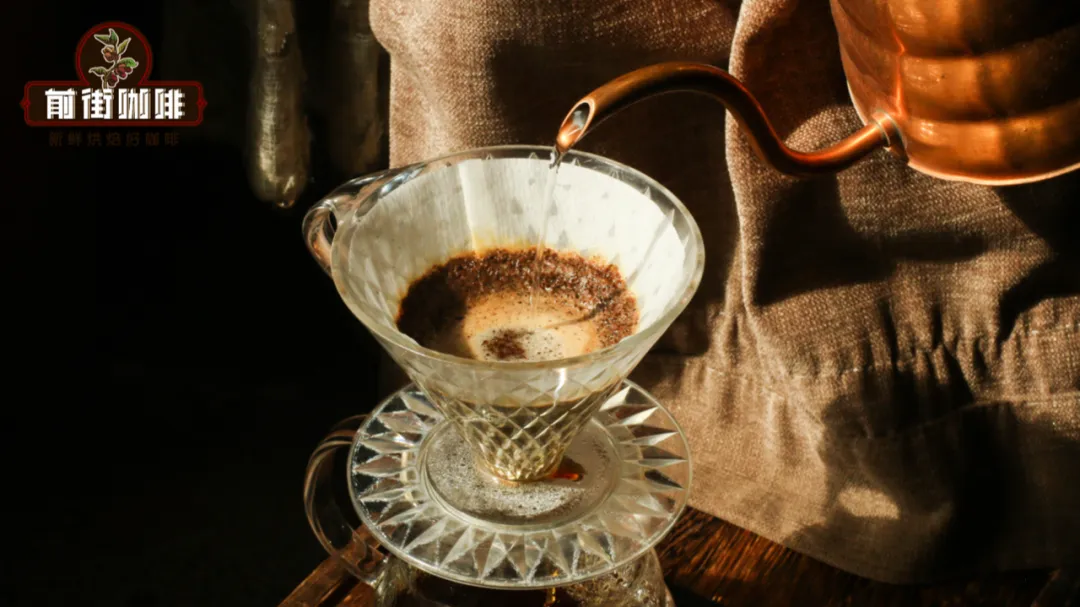
For example, if you usually use 15g of coffee grounds and pour 225ml of water at a 1:15 ratio, that may seem like a standard and reasonable setup. But on a day when you only have 14g or happen to have 16g of coffee beans, you might still pour 225ml of water without intentionally adjusting the water volume. Although this may seem harmless, the coffee-to-water ratio has actually shifted from the original 1:15 to 1:16.07 (for 14g) and 1:14.06 (for 16g), thereby altering the extraction environment.
This kind of error in coffee-to-water ratio caused by habitual operation will be directly reflected in the coffee’s extraction yield and concentration, further impacting aroma expression, mouthfeel body, and the overall balance of flavors. Even a 1-gram difference in coffee dosage, without adjusting the water volume, can be enough to make the flavor noticeably different.

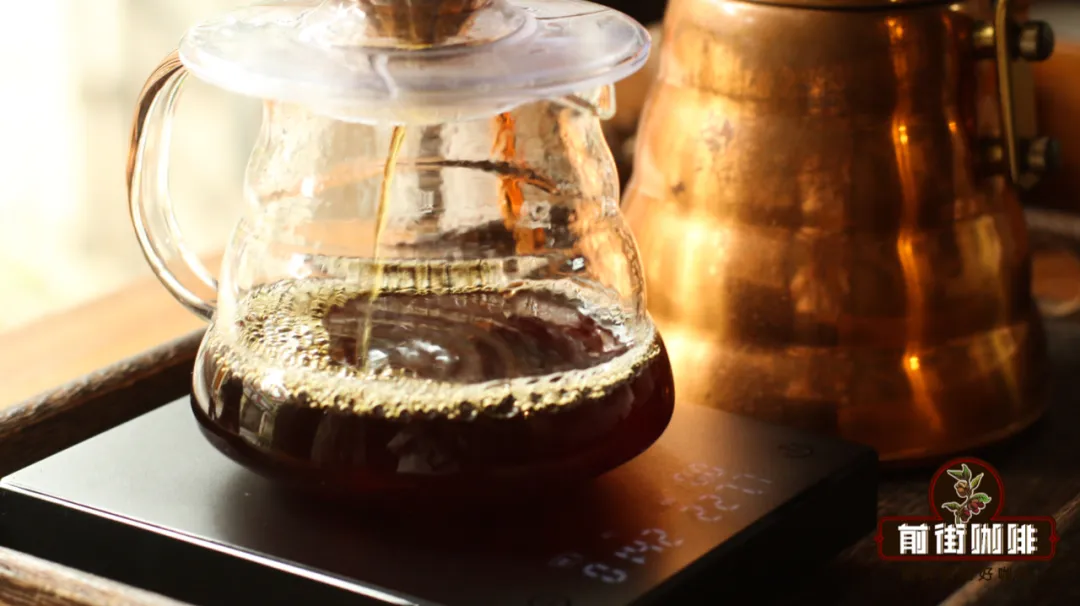
To more clearly demonstrate the actual impact of coffee dosage changes on extraction results, this experiment specifically employs the immersion brewing method to reduce human variables during manual pouring. The experiment uses the Switch smart dripper, keeping all parameters consistent except for the amount of coffee grounds used—brewing with 14g, 15g, and 16g respectively, while pouring a uniform 225ml of hot water. The water temperature is set to 100°C, with a total immersion time of 9 minutes. The grind size is set to scale 10 on the Ek43 grinder, equivalent to sugar granules with a fineness of 75% sieve rate through a No. 20 mesh, or scale 24–26 on the C40 grinder. This aims to simulate the medium-fine grind setting commonly used by pour over enthusiasts.
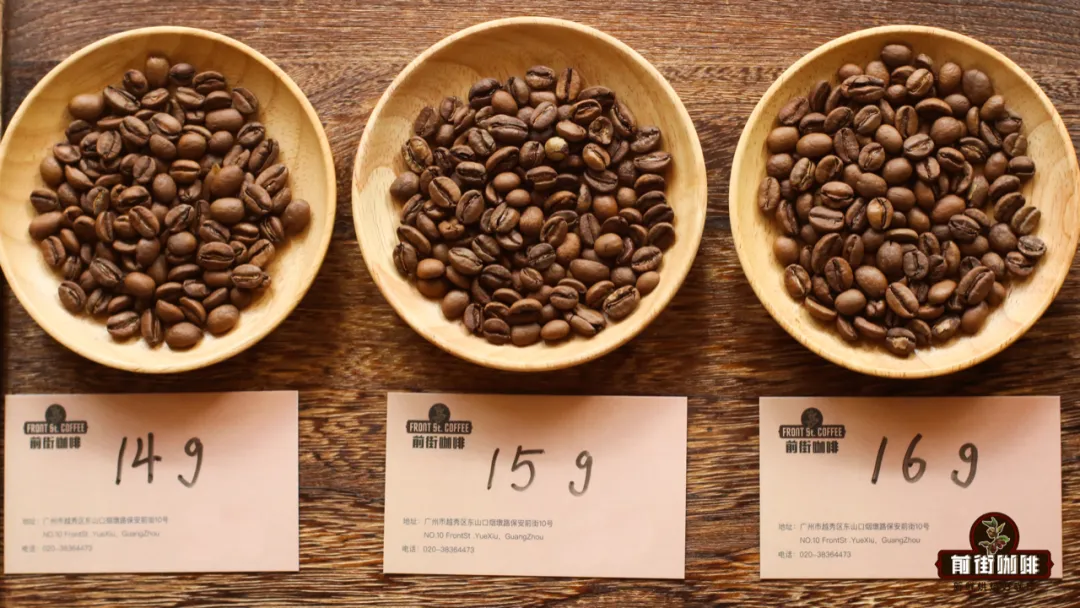
The experimental results show clear differences among the three different coffee dosages. The 14g group, with a coffee-to-water ratio of about 1:16, achieved a measured concentration of 1.40% and an extraction yield of 20.83%. Its flavor profile was dominated by strawberry, citrus, floral notes, and oolong tea, with relatively subdued aromas, lower body, and a refreshing but somewhat one-dimensional taste.
The 15g group had a coffee-to-water ratio close to 1:15, with the concentration rising to 1.47% and the extraction yield at 20.22%. This group exhibited clearer flavor expression, including citrus, strawberry, apricot, berries, and white floral notes, along with an oolong tea aftertaste. The overall balance was good, with sweet and sour flavors well harmonized, and it was considered the closest to an ideal extraction state.
The 16g group, with a 1:14 coffee-to-water ratio, saw the concentration rise further to 1.53%, while the extraction yield dropped to 19.55%. This group’s flavor leaned toward being richer, highlighted by lemon, berry, and white floral notes, with a tail that carried distinct oolong tea characteristics. However, the overall acidity was slightly higher, and the mouthfeel felt heavier, indicating the effect of reduced extraction efficiency due to the smaller coffee-to-water ratio.
Combining the above experimental results, it can be seen that even a 1-gram difference in coffee grounds, when not accompanied by a corresponding adjustment in water volume, will alter the coffee-to-water ratio and thus affect extraction yield and concentration. The resulting flavor differences are clear and identifiable. The more coffee used, the smaller the coffee-to-water ratio, the lower the extraction yield, the higher the concentration, and the fuller and more concentrated the coffee's body and flavors become. Conversely, when less coffee is used, the coffee-to-water ratio increases, extraction yield rises, concentration decreases, and the flavor may come across as more diluted or lacking in complexity.
Therefore, it is recommended that when adjusting coffee dosage during pour over brewing, you must recalculate and adjust the water volume accordingly to maintain your target coffee-to-water ratio and ensure flavor consistency. Additionally, if the coffee dosage changes by more than 5 grams, in addition to adjusting the water volume, you may also need to consider modifying grind size, immersion time, or even switching filter dripper types to maintain stable extraction performance and avoid overall extraction imbalance caused by a single parameter change.
The above content is compiled by CoffeeHunters, a coffee news website.


